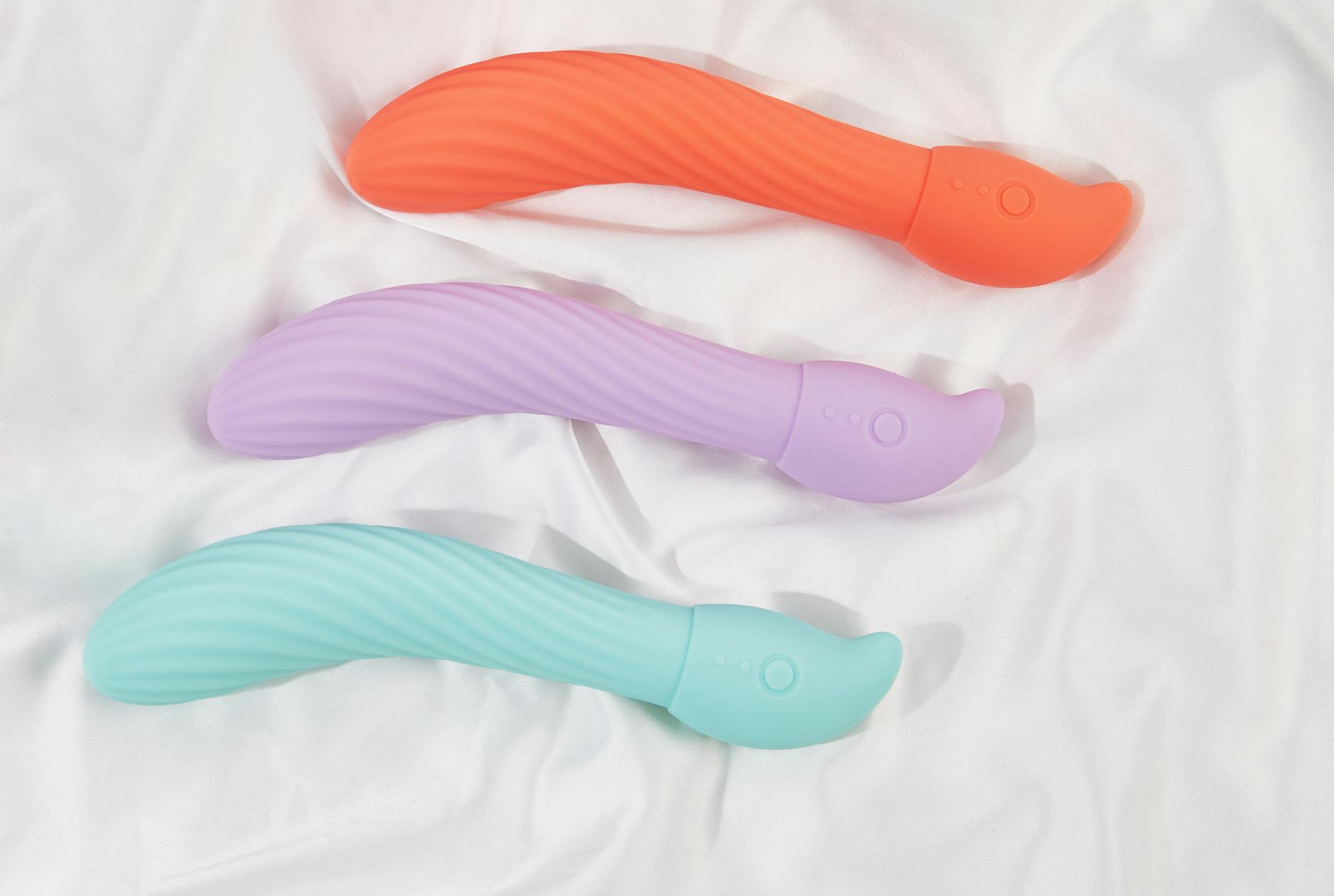
The mismatch is real, and it's not a failure
Let's be direct: desire mismatch is one of the most common relationship conflicts I see. One partner wants sex twice a week. The other is happy with twice a month. Neither is wrong. Neither is broken. But the frustration, the rejection, the guilt, the resentment? That's all real too.
Here's where many couples get stuck. They treat a lemon vibrator as a threat instead of a bridge. The lower-libido partner worries it means their higher-libido partner doesn't want them. The higher-libido partner feels ashamed for wanting pleasure outside the relationship rhythm. Both freeze. Nothing changes. The gap just widens.
I want to show you a different path. A lemon clitoral vibrator can actually be a conversation starter and a pressure release valve. But only if you frame it right from the beginning.
Why desire mismatch isn't about the vibrator
First, the thing nobody says clearly enough: a lemon vibrator doesn't fix desire mismatch. It doesn't make a lower-libido partner suddenly want more sex. It doesn't make a higher-libido partner stop feeling rejected. What it does do is separate two conversations that are usually tangled together in a painful knot.
Conversation one: "I need orgasms and pleasure in my life."
Conversation two: "I need to feel desired and connected to you."
When a partner has low libido, usually the higher-libido partner is trying to solve both conversations with sex. They want the orgasm and the closeness, and they're getting neither. That's exhausting. A lemon sucker like the Lem lets you solve conversation one independently. Then conversation two becomes much smaller and much more manageable to address.
This is actually what I recommend to most couples dealing with desire mismatch. It's not cheating. It's not a sign the relationship is failing. It's strategic self-care that paradoxically takes pressure off the relationship.
The conversation before the vibrator
Don't bring home a lemon clitoral vibrator and expect everything to fix itself. That's how you get defensiveness, shame, and resentment. The vibrator comes after the conversation, not before.
Here's the conversation I suggest you have. Use this language if it helps.
"I've noticed we want different amounts of physical intimacy right now. That's real and it matters. I don't want either of us to feel pressured or guilty. I've been thinking about getting a vibrator for my own solo pleasure, so that I can take care of my needs without putting that pressure on you. I wanted to talk to you about it first, because I want you to understand this is about me taking responsibility for my pleasure, not about anything being wrong with you or with us."
That's it. You're not asking for permission. You're not asking them to participate. You're explaining your reasoning and giving them information. The lower-libido partner's response will tell you a lot.
If they're relieved? That's good. Pressure was building for them too. If they're anxious? That means there's something deeper to explore. Maybe they're worried you're losing interest in them. Maybe they're carrying shame about their lower libido. Have that conversation.
How to integrate the vibrator into your actual relationship
Once you've had the initial conversation, there are roughly three ways a lemon vibrator fits into a lower-libido relationship. Not all of them involve your partner. Some do. Let me walk you through each.
Solo play, separate from the relationship. You use the Lem on your own, usually when your partner isn't around or when they're reading in the other room. This is the pressure-release version. You get the pleasure you need without creating tension. Your partner doesn't have to participate or even think about it. Many couples find this surprisingly stabilizing. When the higher-libido partner isn't building resentment from unmet needs, they're actually more present and affectionate with their partner.
Mutual time, no pressure. Your partner knows you're using it and might even be in the room. They're not touching you or actively engaged. This is the intermediate version. It removes the "this is a secret" energy while maintaining boundaries. Some lower-libido partners actually find this helps because it removes the pressure to perform.
Partnered integration. Your partner uses the lemon clitoral vibrator on you, or you use it together. This is the version that only works if your lower-libido partner is genuinely interested. Don't push here. If the conversation goes cold when you mention this option, you have your answer. Stick to solo or mutual time instead.
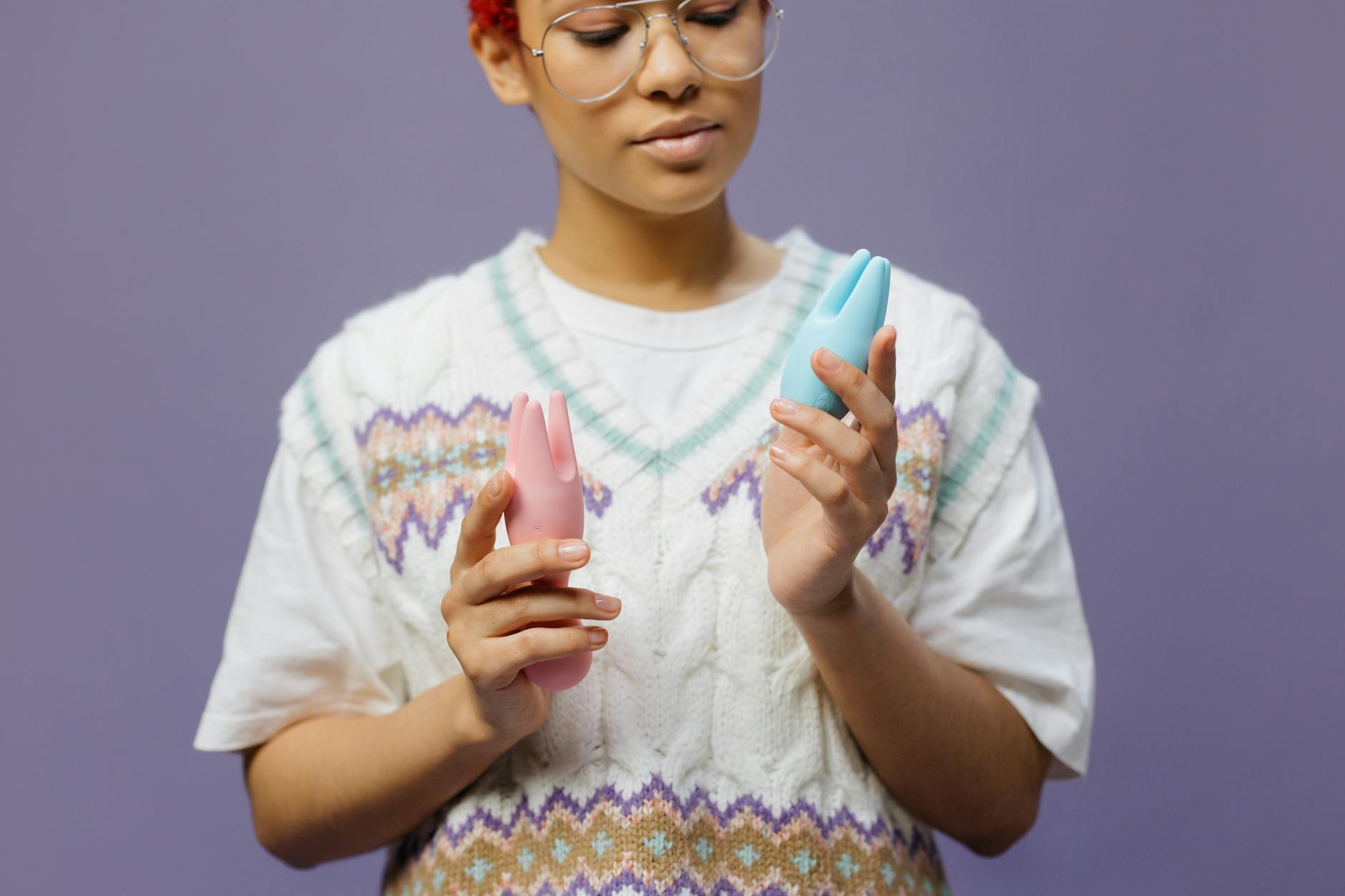
Photo by cottonbro studio on Pexels
Managing the emotions that come up
Do not skip this section. Desire mismatch triggers real feelings, and a vibrator can accidentally amplify them if you're not intentional.
For the higher-libido partner: shame might come up. You might worry that wanting a vibrator means you're "too much" or that your desire is abnormal. It's not. It's normal. Taking responsibility for your own pleasure is actually the most mature thing you can do in a mismatched relationship. Own that.
For the lower-libido partner: anxiety might come up. Sometimes low libido masks deeper stuff. Stress, hormones, relationship disconnection, past trauma, medication side effects. A vibrator isn't going to solve any of that. But it might give you space to figure out what's actually going on. How Antidepressants Change Your Orgasm Response With a Lemon Vibrator is worth reading if medication might be part of your story.
Also. If the lower-libido partner is experiencing pain during sex, or if they've had a significant trauma, that's not a libido problem. That's a medical or therapeutic problem. A lemon vibrator won't help. What helps is a good therapist or gynecologist.
The thing nobody talks about: what if your libidos DO match and still nothing changes?
Here's the uncomfortable truth. Sometimes desire mismatch is actually relationship disconnection wearing a libido disguise. Two people who felt close wanted sex more often. Two people who drifted apart don't want it as much. A vibrator won't fix disconnection. Connection does.
This is where you might need actual couples therapy, not just a sex toy strategy. And that's okay. A good therapist can help you figure out if you're mismatched on desire or if something else has shifted between you.
If you need to talk through what's really going on, reach out. There's no shame in that.
The practical setup that actually works
If you decide to move forward with a lemon vibrator, here's how to set it up so it doesn't create more tension.
First, own it fully. Don't hide it. This isn't dishonest. It's just part of your life now, like your toothbrush. Keep it where you keep your other personal care items. No sneaking around. No shame energy.
Second, give yourself permission to use it without guilt. Your pleasure matters. Full stop. Not because your partner "should" give it to you. Because you deserve it. This matters psychologically. When you claim your pleasure as a right instead of begging for it, your partner stops seeing it as a reflection of them.
Third, don't expect it to immediately fix how you feel about desire mismatch. A lemon clitoral vibrator is a tool for physical pleasure. It's not a couples' therapy substitute. The emotional work still matters. The conversation still matters. The connection still matters.
When the gap is too big
Sometimes a vibrator helps bridge the gap. Sometimes it doesn't. Sometimes one person's needs are fundamentally different from the other's, and no tool or strategy changes that.
If you've had the conversation, you've tried integration, you've addressed medical and psychological factors, and there's still profound mismatch? That's information too. That might mean you need more support. It might mean you need to renegotiate what your relationship looks like. It might mean you need to decide whether this relationship still works for you.
Those are hard conversations. They're also sometimes the right ones.
FAQ
What if my partner feels insecure when I use a lemon vibrator?
Insecurity is a signal that there's more to talk about. Ask them specifically what they're worried about. Are they afraid you don't want them anymore? That they're not enough? Those are relationship conversations, not vibrator conversations. Address the insecurity directly. Then circle back to the vibrator. Sometimes once the real fear is named and addressed, the tool becomes neutral again.
Can using a lemon clitoral vibrator solo make me not want my partner?
No. This is a persistent myth. In fact, the opposite is usually true. When you're not desperate and resentful because your needs aren't being met, you're usually more affectionate. You have more patience. You're present. Pleasure and connection are not in competition with each other.
Should I ask my lower-libido partner to use the Lem on me?
Not as a demand. You can mention it as an option. But if they say no or seem uncomfortable, drop it. Forcing a lower-libido partner into a sexual scenario doesn't bridge the gap. It usually widens it. Respect their boundary and use the vibrator solo.
How do I know if low libido is a real problem or just incompatibility?
If your partner is satisfied with their level of desire and you're not, that's incompatibility. If your partner is frustrated with their own low libido and wants it to change, that's a real problem worth exploring with a doctor or therapist. The difference matters.
Will a lemon sucker like the Lem really take the pressure off?
Yes. Not completely, necessarily. But it removes one specific pressure: the expectation that your partner's body is the only way you can have pleasure. Once that pressure lifts, you might actually reconnect in other ways. Many couples find that interesting.
What if we're both high-libido but we still have desire mismatch?
Then it's not about how much sex you want. It's about timing, context, or something relational. Maybe one person wants it in the morning and the other at night. Maybe one person needs emotional connection first and the other doesn't. How to Use a Lemon Vibrator With a New Partner has useful language for negotiating these timing differences.
The real goal
A lemon vibrator isn't the solution to desire mismatch. Honest conversation is. Understanding each other is. Taking responsibility for your own pleasure while respecting your partner's boundaries is. A tool like the Lem just makes the whole thing easier to navigate without resentment.
If you want to work through this more deeply, let's talk.