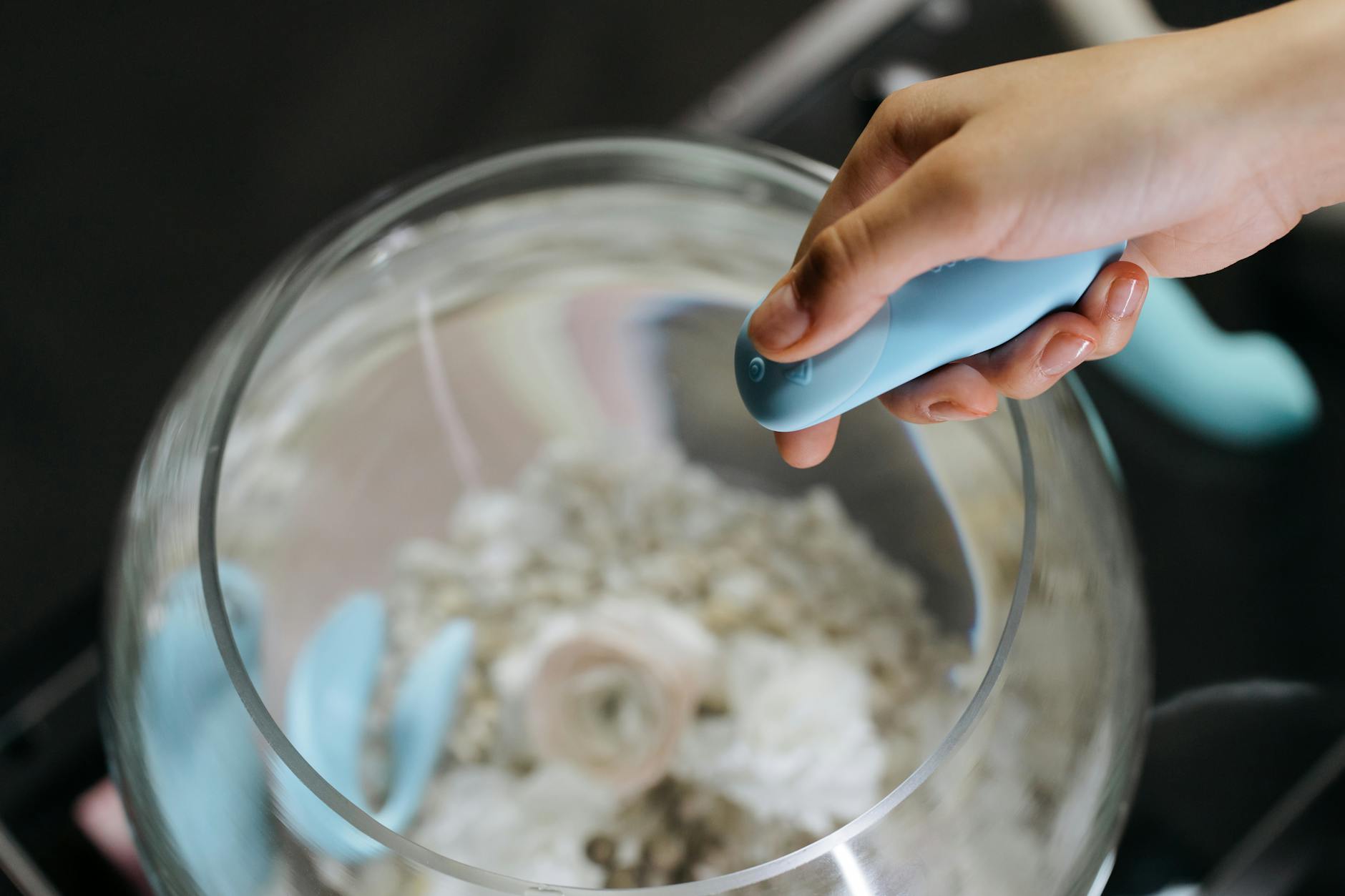
Here's the part nobody mentions at the pharmacy
You start an SSRI for anxiety or depression. Your mood lifts. You sleep better. Then you notice something else: orgasms feel distant, or take forever to reach, or don't feel as sharp. And when you try your lemon vibrator, something feels off.
This is not in your head. It's not weakness. It's a well-documented side effect that affects 40 to 60 percent of people on selective serotonin reuptake inhibitors. And it's wildly underreported because doctors assume you won't ask, and patients assume they're alone.
You're not. Let me explain what's actually happening, why it matters for pleasure, and what you can do about it.
How SSRIs shift your sexual response
SSRIs work by keeping serotonin circulating in your brain longer. That's good for mood regulation. But serotonin also dampens dopamine activity in the reward pathways, and it inhibits nitric oxide, which is crucial for blood flow and genital arousal.
The effect is measurable and dose-dependent. Higher doses cause more noticeable sexual side effects. Some people hit a plateau where the medication helps their mental health but dulls their body's response.
Here's what you might notice with a lemon vibrator or any clitoral stimulation:
Arrousal takes longer to build. You might need 20 or 30 minutes of foreplay instead of 10. The sensations feel muted, like you're experiencing them through a layer of cotton. Orgasm delays significantly or requires much more intense, sustained stimulation. When you do climax, it feels less explosive.
Some antidepressants are worse than others. Sertraline, paroxetine, and fluoxetine are notorious for sexual side effects. Others like bupropion actually increase libido because it works differently (it targets dopamine, not serotonin).
Why this happens more with certain medications
Not all antidepressants affect pleasure equally. Understanding the difference helps you make informed decisions with your prescriber.
SSRIs and SNRIs (serotonin-norepinephrine reuptake inhibitors) are the most common culprits. They're prescribed first because they have a good safety profile and suit most people. But sexual side effects come with that trade-off.
Tricyclic antidepressants and monoamine oxidase inhibitors have sexual side effects too, though in different ways. TCAs can cause erectile dysfunction and delayed orgasm. MAOIs can swing either way depending on the drug and the person.
Bupropion (Wellbutrin) stands apart. It's a norepinephrine-dopamine reuptake inhibitor, which means it doesn't suppress serotonin the same way. Many people actually report improved libido on bupropion. Some doctors prescribe it specifically because of this.
What you can do without switching medications
If you're stable on your current antidepressant and switching feels risky, you have options that don't require changing your prescription.
1. Use a lemon vibrator strategically. Suction-based stimulation like the Lem works differently than traditional vibration. It doesn't rely on rapid friction to build sensation. Instead, it creates sustained pressure and release cycles that can work better when arousal is sluggish. Start at a lower intensity and extend your warm-up time. Many people find that suction actually bypasses some of the medication's dampening effect because it activates different nerve pathways.
2. Timing matters. Take your antidepressant at night if possible, which shifts peak concentrations away from your sexual window. If you know you want to have sex on a particular evening, ask your prescriber if spacing the dose differently is safe. Never skip doses to have better orgasms, but timing adjustments are legitimate questions for your doctor.
3. Extend foreplay intentionally. Instead of viewing the longer arousal time as a problem, reframe it as an invitation to explore. Longer warm-up means more time with a partner, more solo play, more sensation. If you're using a lemon clitoral vibrator alone, spend 20 minutes on arousal before you introduce the toy. Your nervous system needs the runway.
4. Lower initial intensity. Start the Lem or your clitoral vibrator at pattern one or two. Build up slowly. When sensation feels muted, the instinct is to crank the intensity. That can paradoxically push you further from orgasm. Gentler, longer stimulation often works better than aggressive intensity.
5. Reduce performance pressure. This one might be the most important. If you're on an antidepressant, you're likely managing anxiety or depression. During sex, anxiety will kill arousal faster than any medication. Give yourself explicit permission to take 45 minutes, or to not orgasm and still feel satisfied. The pressure to climax quickly, which you didn't have before, creates tension that compounds the medication's effect.
When to talk to your prescriber
Sexual side effects are a legitimate reason to adjust your treatment. You deserve both mental health support and sexual pleasure.
Your doctor might suggest one of several evidence-based strategies.
Dose adjustment. Sometimes lowering the dose slightly reduces sexual side effects while keeping mood symptoms managed. This is worth trying if you've been on the same dose for months.
Drug holidays. For some people, stopping the medication 24 to 48 hours before planned sex works. This is controversial and not appropriate for everyone (especially not for people with severe depression), but some prescribers support it for people with stable symptoms. Never attempt this without explicit medical guidance.
Adding medication. Bupropion is sometimes added to an SSRI specifically to counteract sexual side effects. Buspirone, an anti-anxiety medication, has been shown to improve sexual function in people taking SSRIs. Your doctor might explore these as augmentation strategies.
Switching medications. If sexual side effects are severe and nothing else helps, switching to bupropion, tricyclic antidepressants, or a different class entirely might be the right move. This requires careful planning because most antidepressants need to be tapered and switched gradually, but it's a real option.
The conversation is changing
For years, doctors downplayed sexual side effects of antidepressants. "Your mental health comes first," they'd say, implying pleasure was a luxury item, not a health factor.
We know better now. Sexual satisfaction is tied to relationship quality, self-esteem, and overall wellbeing. It's not frivolous to care about it. Your doctor should take the question seriously.
When you schedule an appointment to discuss this, be specific. Don't say "my libido is low." Say "I'm noticing that arousal takes 30 minutes and orgasm requires intense sustained stimulation with my lemon vibrator where it used to take 10 minutes and feel sharper." Specific observations help your doctor troubleshoot.
FAQ: Antidepressants and your lemon vibrator
Can I use a lemon vibrator if I'm on SSRIs?
Absolutely. Clitoral vibrators, including lemon suction toys, can actually be more effective than partnered sex when medication dulls sensation. The sustained, focused stimulation gives your nervous system a better chance at building toward climax. You might need longer sessions and slower intensities, but it works.
Will my sexual response come back if I stop antidepressants?
Yes, usually within a few weeks to a few months. But stopping antidepressants without medical guidance is risky. Depression can rebound, sometimes severely. Talk to your prescriber about a safe plan if you want to discontinue. You might find that adjusted dosing or a different medication lets you keep your mental health gains while regaining sexual function.
Is bupropion better for sexual pleasure?
For many people, yes. Bupropion has a lower incidence of sexual side effects and sometimes actually increases sexual desire. But it's not the right medication for everyone. Some people have better results on SSRIs for mood. Your prescriber can help weigh the trade-offs.
How long does it take to adjust to sexual changes from antidepressants?
Your body usually adjusts to the medication's mood effects within 4 to 6 weeks. Sexual side effects often persist longer, sometimes plateauing around 8 to 12 weeks. If significant changes haven't improved by then, adjustment strategies (including those listed above) are worth exploring.
Can I take my antidepressant at a different time to improve sexual response?
Maybe. Talk to your prescriber about whether timing adjustments are safe with your specific medication. Some medications have flexible dosing windows. Others need consistency. Never change your dosing schedule without medical approval.
What if neither antidepressants nor lemon vibrators are enough?
Talk to a sex therapist or a doctor specializing in sexual medicine. Sometimes what feels like a medication side effect is actually rooted in anxiety, trauma, or relationship dynamics that are treatable separately. A comprehensive conversation with the right professional can unlock options.
The bottom line
Antidepressants can blunt sexual sensation and delay orgasm. This is real, common, and treatable without choosing between your mental health and your pleasure. A lemon clitoral vibrator can be part of your solution, especially when paired with extended foreplay, intentional timing, and honest conversations with your doctor.
Your mental health matters. Your sexual pleasure also matters. You don't have to sacrifice one for the other. Start the conversation with your prescriber, experiment with what works for your body, and give yourself time to adjust. If you're struggling to find the right balance, a sex therapist or relationship counselor can help.
For more on navigating pleasure with medical challenges, explore our guide on how to use a lemon vibrator if your clitoris is sensitive or our full lemon vibrator buying guide. And if you want to understand your response better, how long orgasm actually takes with a lemon vibrator has practical timelines and what's normal.