Let's name what actually happened to your pleasure
Divorce doesn't just end a marriage. It rewires your nervous system. For years, your body learned arousal in a specific context: with a particular person, in a familiar bed, with a predictable rhythm. Even if that rhythm wasn't great, it was known. Now that context is gone, and your nervous system is confused.
Many people I work with describe post-divorce pleasure as feeling like starting over at thirty-five or fifty. Which is accurate. And worth doing.
Why solo pleasure feels harder after partnership
This isn't psychological weakness. It's neurobiology. When you're partnered, arousal is partly external. Your partner initiates. They respond. You're in a loop with someone else's nervous system. That loop becomes your baseline for what "on" feels like.
After divorce, you're suddenly the only person in the room. Which means you're responsible for the entire arc. You have to initiate with yourself. You have to build it. And because you spent years doing half that job, the other half feels unfamiliar and sometimes exhausting.
Adding one variable at a time helps. That's where a lemon clitoral vibrator comes in.
How a lemon vibrator fits into solo play after divorce
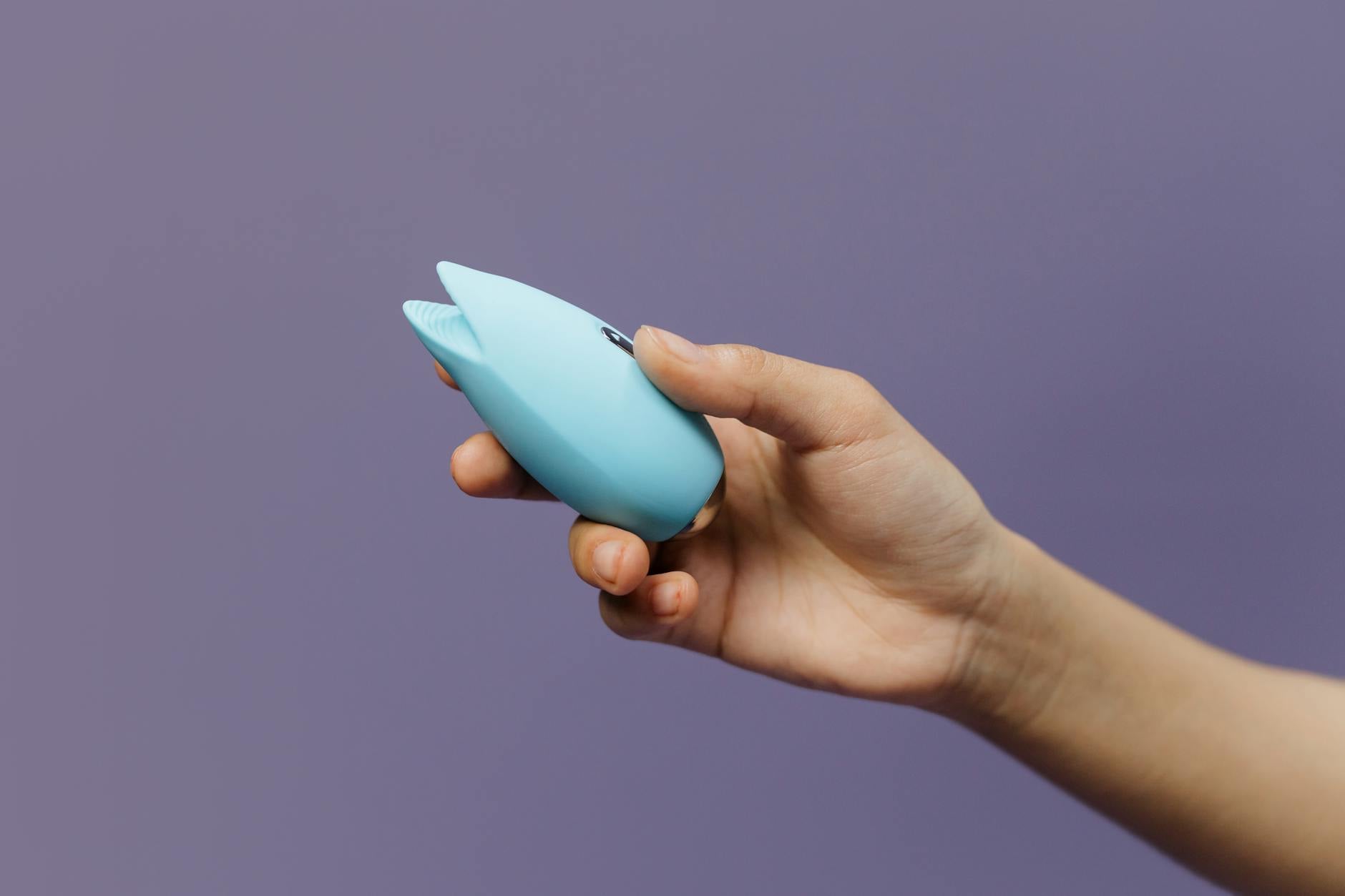
A lemon sucker like the one Hello Nancy makes works differently than vibration alone because suction engages nerve endings without requiring you to build the entire sensation yourself. It does part of the work. Your job is just to stay present.
This matters post-divorce because your nervous system needs permission to relax into pleasure again. A vibrator gives you something external to focus on instead of the internal pressure to perform for yourself.
Start with pattern 1 or 2. Not because you're starting from nothing, but because you're meeting your current baseline, not the baseline you had with your ex. Your body has changed. Your stress levels are different. Your baseline has shifted. Honor that.
The reset: relearning what your body likes when you're alone
Here's what I ask people to do:
Take two weeks just exploring. No agenda for orgasm. No timeline. The goal is data collection. You're learning what patterns your body responds to now, in this post-divorce context. Pressure, rhythm, location on the clitoris, duration, intensity. Write it down if it helps. You're recalibrating.
Many people are shocked to find that what worked in a partnered context doesn't work the same way solo. Maybe you needed external pressure to feel present before. Now you might need something gentler to keep your nervous system from going into defense mode. Maybe you preferred directness. Now you might find that suction, which is more indirect, feels better because it doesn't trigger associations with the sex you were having when things were falling apart.
Your lemon sexual toy is a tool for gathering that information, not a judge of your sexuality.
Managing the guilt that shows up
Divorce often comes with a baseline shame around pleasure. You might have been told (by yourself or someone else) that sex was part of what failed. That your desires were wrong, or inconvenient, or part of the problem. Pleasure can feel like betrayal.
It's not. Your pleasure matters independent of your relationship status. In fact, reconnecting with your own pleasure is part of healing your sense of agency and self-worth after a divorce.
If guilt shows up when you're using a lemon clitoral vibrator, pause and name it. Don't push through it. Guilt is information. Ask yourself: Am I feeling guilty because pleasure is genuinely bad? Or because I was told pleasure was bad when it threatened someone else's comfort? The answer usually matters.
Building a sustainable solo play routine
Don't aim for frequency. Aim for consistency and presence. Once or twice a week, fifteen to twenty minutes, with your phone in another room. Not because orgasm is the goal, but because sustained attention to your own pleasure teaches your nervous system that you're safe and worthy.
If you live with kids or roommates, carve out a specific time. Privacy isn't luxury. It's a signal to your body that pleasure is legitimate, not something you're sneaking.
Use the same lemon vibrator each time at first. Your body learns. Consistency helps it trust.
When partnered pleasure comes back
Rebuild solo first. This matters because if you jump back into partnered sex before you know what solo pleasure feels like again, you'll slip back into the old patterns. You'll be making your partner's pleasure or your partner's comfort the center again.
When you do eventually have a partner, the best thing you can bring is knowledge of your own body. What patterns work. What intensity. What rhythm. That's not selfish. That's responsible.
Many people find that sex after divorce, when they've done the solo rebuilding work, is the best sex of their lives. Because they're no longer halved. They're whole, with someone else whole, creating something together instead of trying to fix themselves through someone else.
Practical logistics with a hello nancy lemon vibrator
Store it safely. Charge it regularly so it's always ready. Water-based lube helps even if you're naturally lubricated. The combination of suction and slip feels different and often better.
If you're sharing a space and privacy is limited, a discrete toy like the lemon adult toy is easier to hide than larger wand vibrators. It charges quickly. It's quiet.
If numbness shows up, slow down. Take breaks. Numbness isn't damage. It's your nervous system taking a step back because there's too much input. Back off the intensity. Spend more time just touching without the toy.
The part no one talks about: grief during pleasure
Sometimes when you're rebuilding solo pleasure after divorce, you'll be using a lemon vibrator and you'll suddenly feel sad. That's not failure. That's the body releasing. Sex is emotional. After years of partnered sex, solo sex can feel lonely even when loneliness is exactly what you chose.
Let it happen. Cry if you need to. Your body is processing years of relational history. That processing is part of the healing.
FAQ
Can I use a lemon vibrator right after divorce or should I wait?
Wait until you feel ready, not until you feel over it. Some people need three months. Some need three weeks. The marker isn't that you've stopped missing your partner. The marker is that you can touch your own body without feeling betrayed by your own touch. If using a vibrator feels wrong in your body, wait. When it starts feeling neutral or curious instead of guilty, you're ready.
Will solo play with a lemon clitoral vibrator change what partnered sex feels like?
Yes, usually for the better. You'll know your own pleasure better. You'll be less dependent on a partner to build arousal. That makes you more present when you are with someone. But some people find that solo orgasms feel different than partnered orgasms (sometimes better, sometimes different). That's normal. Your body isn't broken. It's adjusting to new context.
What if I can't orgasm with a lemon vibrator after divorce?
Orgasm isn't the goal in the first phase. Presence is. Some people find that orgasm comes back easily after solo play practice. Others find it takes time because their nervous system is still in protective mode. A orgasm coach or therapist can help if this becomes frustrating. But often, stepping off the goal of orgasm entirely for a few weeks allows it to return naturally.
Is it normal to feel lonely while using a lemon sexual toy alone?
Completely normal. Pleasure is often associated with connection. Being alone with your pleasure can feel isolating at first. That feeling usually softens as you practice. But if it persists, it might be worth exploring whether you're ready for solo play yet, or whether you need some support processing the loneliness of post-divorce life separately from pleasure.
Should I tell a future partner about my solo play routine with a lemon vibrator?
You don't owe anyone disclosure about your solo life. That said, partners often appreciate knowing that you have a practice of pleasure. It takes pressure off them to be your only source of arousal. If the relationship feels solid, sharing what you've learned about your body is generous.
How long until solo play with a lemon clitoral vibrator feels normal again?
Most people find that within four to six weeks of consistent solo practice, pleasure starts to feel less clinical and more integrated. But "normal" is individual. Some people bounce back faster. Others need longer. Trust your timeline.
The long view
Divorce is reorganization. Your body, your nervous system, your sense of what's possible. Using a lemon vibrator isn't frivolous. It's a tool for reclaiming your own pleasure, rebuilding your sense of agency, and learning that you are enough on your own.
That foundation makes everything that comes next, whether that's more solo play or eventually partnered pleasure, richer. You're not starting from half. You're starting from whole.
For more on rebuilding intimacy and navigating pleasure through life transitions, explore how to regain pleasure with a lemon vibrator after relationship changes or learn about using a lemon vibrator with a new partner when you're ready.