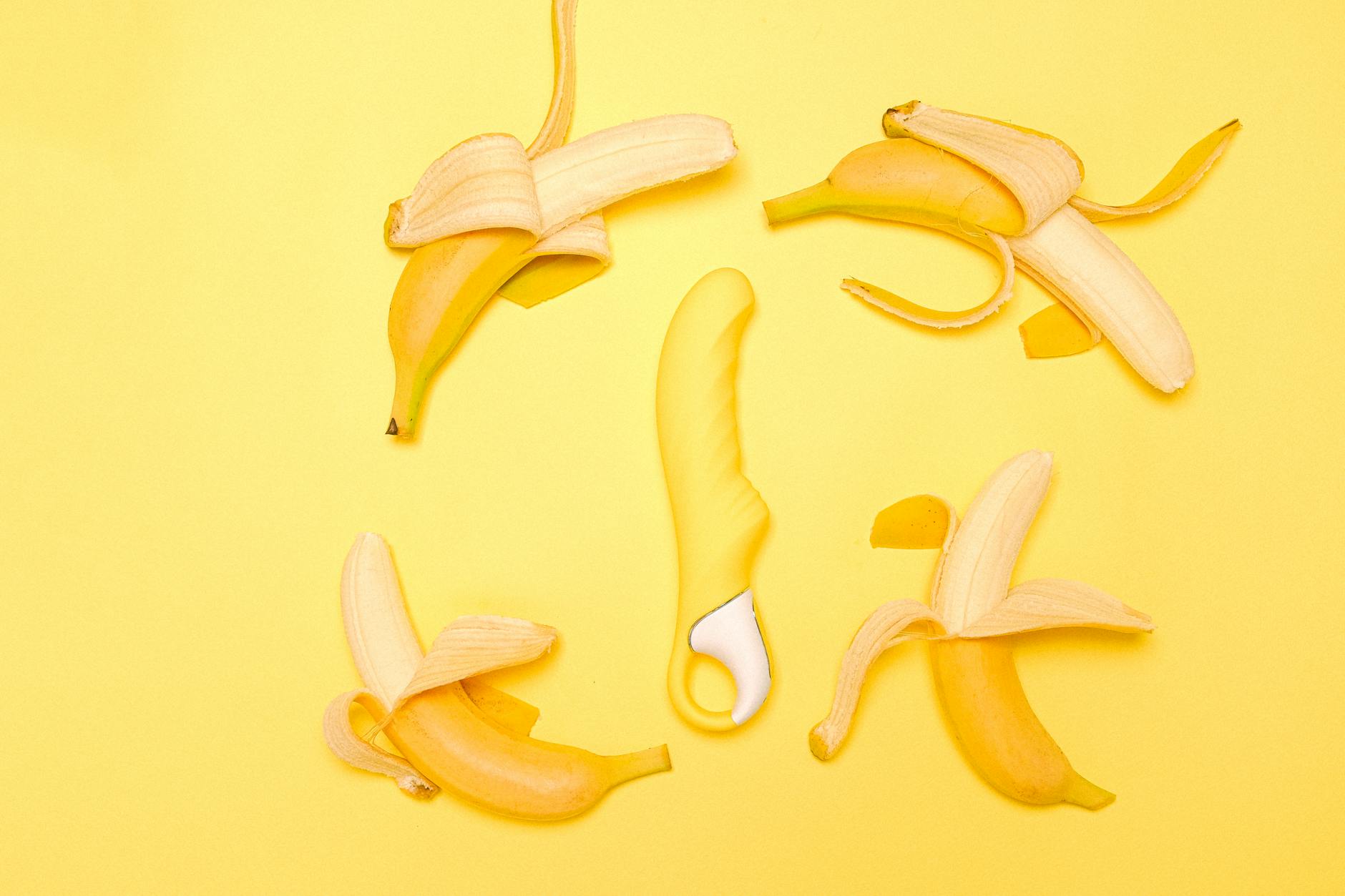
How to Use a Lemon Vibrator When Experiencing Vaginal Dryness
Let's be real. Vaginal dryness shows up uninvited, and it changes everything. The sensation feels different. Friction increases. What used to glide now catches. And somewhere in that shift, you might assume that your lemon clitoral vibrator, your favorite toy, suddenly doesn't work the same way.
Here's the thing: it can work exactly as well. You just need to know what adjustments help. Dryness isn't a punishment. It's a signal that your body needs a different approach.
What actually happens with dryness
Vaginal dryness isn't just "less moisture." Tissues become thinner, less elastic, and more sensitive to friction. The vulva's pH balance shifts, which can make the whole area feel tender. If you have a partner, they might notice a change too. Internally, the vaginal barrel loses some of its natural cushioning.
But here's what doesn't change: your clitoris. The clitoral glans has the same nerve density. The same capacity for pleasure. The same ability to respond to stimulation. That's why a lemon sucker like the Lem works so well during dryness. It uses suction instead of friction, which means it bypasses the problem entirely.
Suction-based stimulation doesn't require lubrication the way direct vibration does. The Lem's gentle air-pulse technology creates sensation without grinding against dry tissue. For many people, this is the first time they realize why suction feels so different than regular vibration.
The lubricant rule that changes everything
If dryness is happening, lubrication isn't optional. It's foundational.
Water-based lubricant is non-negotiable here. It's silicone-toy-safe, body-safe, and reabsorbs naturally. Silicone-based lubes feel richer and last longer, but they can damage silicone toys over time. Stick to water-based. Apply it generously. Not a dab. Enough that it feels slick.
For lemon vibrators specifically, you can apply lube around the entire vulva, not just internally. The Lem works beautifully with external lubrication, and it creates a better seal when the area is moist. If you're using it solo, this approach gives you more sensation and comfort. If you're using it with a partner, the lube also reduces any friction they might feel during penetration.
Reapply as you go. Water-based lube dries out. Every 5 to 10 minutes, add a bit more. It's not cheating. It's maintenance.
Technique shifts that matter when tissue is dry
When dryness is present, three technical adjustments make a dramatic difference.
Start on the lowest setting. Don't jump to intensity level 4 or 5 on the Lem. Begin at pattern 1 or 2. Dry tissue is more sensitive, and high intensity can feel sharp rather than pleasurable. As arousal builds and blood flow increases to the area, sensation naturally deepens. You can always turn it up. You can't unsensitize.
Angle the device toward the clitoral shaft, not the glans itself. The tip of the clitoris (the glans) becomes more easily overstimulated when tissue is dry. Shifting the Lem slightly so it cups the shaft or the surrounding area spreads stimulation across a wider, less sensitive zone. This also means you can use it longer without fatigue or that "almost numb" feeling that comes from too much direct pressure.
Use shorter sessions with longer breaks. A 20-minute continuous session might have worked before. Now, try 10 to 15 minutes of stimulation, then a 5-minute break to let sensation reset. This prevents the vulva from getting irritated and keeps pleasure from flattening out.
Why dryness changes orgasm timing
Here's something most people don't expect: when you're dry, orgasm often takes longer to arrive. Your body needs more time to build arousal, and the extra friction (even with lubrication) means less efficient stimulation.
This is normal. This is not a sign you're broken. It's a sign your nervous system is working exactly as it should. Dryness slows things down. Accept that. Budget 20 to 30 minutes for pleasure instead of 10. Use the time to explore different patterns on the Lem, different angles, different intensities. The slowness isn't a bug. It's often where the most interesting sensations live.
One more thing: if orgasm remains difficult even with all these adjustments, that might point to something beyond just dryness. Hormonal changes, medication side effects, or relationship stress can compound the issue. If you've been trying for weeks with no progress, that's worth talking through with a healthcare provider or a therapist.
When to bring a partner into the conversation
If you're using a lemon vibrator during partnered sex, dryness creates a domino effect. For people with penises, less lubrication changes the sensation and grip. For people with vulvas who are receiving penetration, dryness means more friction on the internal tissues, which can shift from pleasurable to uncomfortable quickly.
This is a conversation to have before you're already naked and frustrated. Something like: "My body's been drier lately, and I've noticed it changes what feels good. I want to keep having great sex with you, so I'm using more lube and might need to try different positions or timing. Want to explore that together?"
That invitation opens a door instead of closing one. It also means your partner isn't surprised or confused by the adjustments. They understand why you're reaching for lubricant. They're not taking the dryness personally.
Many couples find that adding more deliberate lubrication and using a lemon clitoral vibrator actually deepens their intimate rhythm. The slowness, the extra attention, the mutual problem-solving. It's foreplay.
External moisturizers vs. internal support
Dryness sometimes means you need external lubrication (what you apply before sex). Sometimes it means your tissues need longer-term hydration support (moisturizers you use daily). Often it's both.
Vaginal moisturizers like hyaluronic acid serums can be applied inside or around the vulva a few times a week. They're different from lubricants. They're absorbed into tissue, providing ongoing hydration rather than glide. If dryness is chronic or tied to hormonal changes, a good moisturizer layer means less acute discomfort and better baseline sensation.
For acute dryness (the kind that shows up once in a while), water-based lube during sex is enough. For persistent dryness tied to perimenopause, menopause, certain medications, or medical conditions, a daily or twice-weekly moisturizer can be transformative.
Why the Lem is particularly forgiving during dryness
Clitoral suction vibrators like the Lem have one huge advantage during dryness: they don't rely on slickness the way traditional vibrators do. Traditional vibrators need moisture to move across tissue smoothly. Without it, they feel rough, and you can only use them briefly.
Suction works differently. It creates a gentle seal and pulses stimulation through that seal. A little lubrication helps create that seal and feels better, but dryness doesn't completely disable the toy. The Lem adjusts to your tissue, not the other way around.
This is why many people who experience chronic dryness end up preferring suction toys. They work with the body you have right now, not against it.
When to escalate to a medical conversation
If dryness is mild and occasional, lubrication plus technique adjustment usually solves the problem. But if dryness is severe, painful, or getting worse, it's worth raising with a gynecologist or primary care doctor.
Genitourinary syndrome of menopause (GSM) is real and common. Vaginal atrophy is real and treatable. Some medications cause dryness as a side effect, and switching timing or doses can help. Hormonal birth control sometimes intensifies dryness.
A doctor can prescribe topical estrogen creams or vaginal moisturizers that are far more potent than over-the-counter options. These treatments work fast, usually within two to four weeks. You don't have to white-knuckle through months of uncomfortable sex or abandoned pleasure while you're waiting for hormones to rebalance.
Dryness is not a sign your pleasure is ending. It's a signal to adjust and keep going.
Bringing it together
Using a lemon clitoral vibrator during dryness means starting with aggressive lubrication, dialing down intensity, and giving your body time to build arousal. It means angle adjustments and shorter sessions. It means talking to your partner if you have one. And it might mean adding a vaginal moisturizer to your routine.
None of this is defeat. It's you meeting your body where it is and continuing to prioritize your pleasure anyway. That's the whole point.
If you're new to adjusting your approach around dryness, you might find you need guidance on how to use a lemon vibrator if your clitoris is sensitive. That post covers similar territory from a slightly different angle and might give you additional ideas. And if dryness showed up alongside other big life changes, how to use a lemon vibrator with a low-libido partner might speak to what's really happening in your relationship.
Your lemon vibrator isn't done working for you. You're just entering a new chapter of using it wisely.
People also ask
Can I use a lemon vibrator with vaginal dryness without lubrication?
Technically, yes. The suction mechanism on a clitoral vibrator like the Lem can create stimulation without lubrication because it doesn't rely on friction. But it won't feel as good. Dryness makes the tissue more sensitive, and suction without lubrication can feel grabby or uncomfortable. Using lube turns an okay experience into a great one. Always use water-based lubrication when dryness is present.
How often should I reapply lubrication while using a lemon vibrator for dryness?
Water-based lubricant dries out faster than silicone-based, especially during active stimulation. Reapply every 5 to 10 minutes. You'll notice when sensation shifts or feels less smooth. That's your cue to add more. It's normal to go through a quarter-sized amount (or more) during a 20-minute session. Generosity with lube is generosity with pleasure.
Does vaginal dryness mean I should avoid using clitoral vibrators altogether?
Absolutely not. Clitoral stimulation is often the most forgiving approach during dryness because the clitoris doesn't lose elasticity the way vaginal tissue does. In fact, many people find that clitoral-focused toys like suction vibrators feel better during dryness than they ever did before. The shift in technique and lubrication is an adjustment, not a permanent ban.
Will using a lemon vibrator during dryness make dryness worse?
No. Using a lemon clitoral vibrator won't cause or worsen vaginal dryness. What can happen is that if you use too much intensity too quickly, you might irritate already-sensitive tissue. That's why starting low, using plenty of lubrication, and being gentle matters. The vibrator itself is not the problem.
Should I use a different lube for a lemon vibrator during dryness?
Stick with water-based lubricants. They're silicone-toy-safe, they feel natural, and they're absorbed quickly. Avoid oil-based lubes (they can trap bacteria) and silicone-based lubes (they can damage silicone toys). For dryness specifically, some people prefer thicker, hyaluronic-acid-based water lubes because they create a better seal and last longer. Explore what feels best to you.
Can dryness affect how suction feels on a lemon clitoral vibrator?
Yes. Without lubrication, suction toys can't create an effective seal, so stimulation feels weaker. Adding lubrication immediately improves seal and sensation. This is one reason suction toys are so forgiving during dryness. A tiny bit of moisture is all they need to work beautifully. You don't need the vagina to be soaking wet for a lemon vibrator to feel incredible.