Here's the thing about burnout and pleasure
Burnout doesn't just steal your energy. It systematically unplugs you from your own body. You stop noticing what feels good. Touch becomes transactional or invasive. The idea of pleasure feels like one more task on an already impossible list. And if you're in a relationship, the guilt piles on top because your partner is hurt, and you feel broken, and nothing in this loop actually fixes anything.
I've worked with hundreds of burned-out people rebuilding intimacy, and the honest pattern is always the same. Pleasure doesn't return through willpower or scheduling sex or trying harder. It returns through permission. Specifically, permission to feel something that's just for you, on your timeline, with no productivity attached.
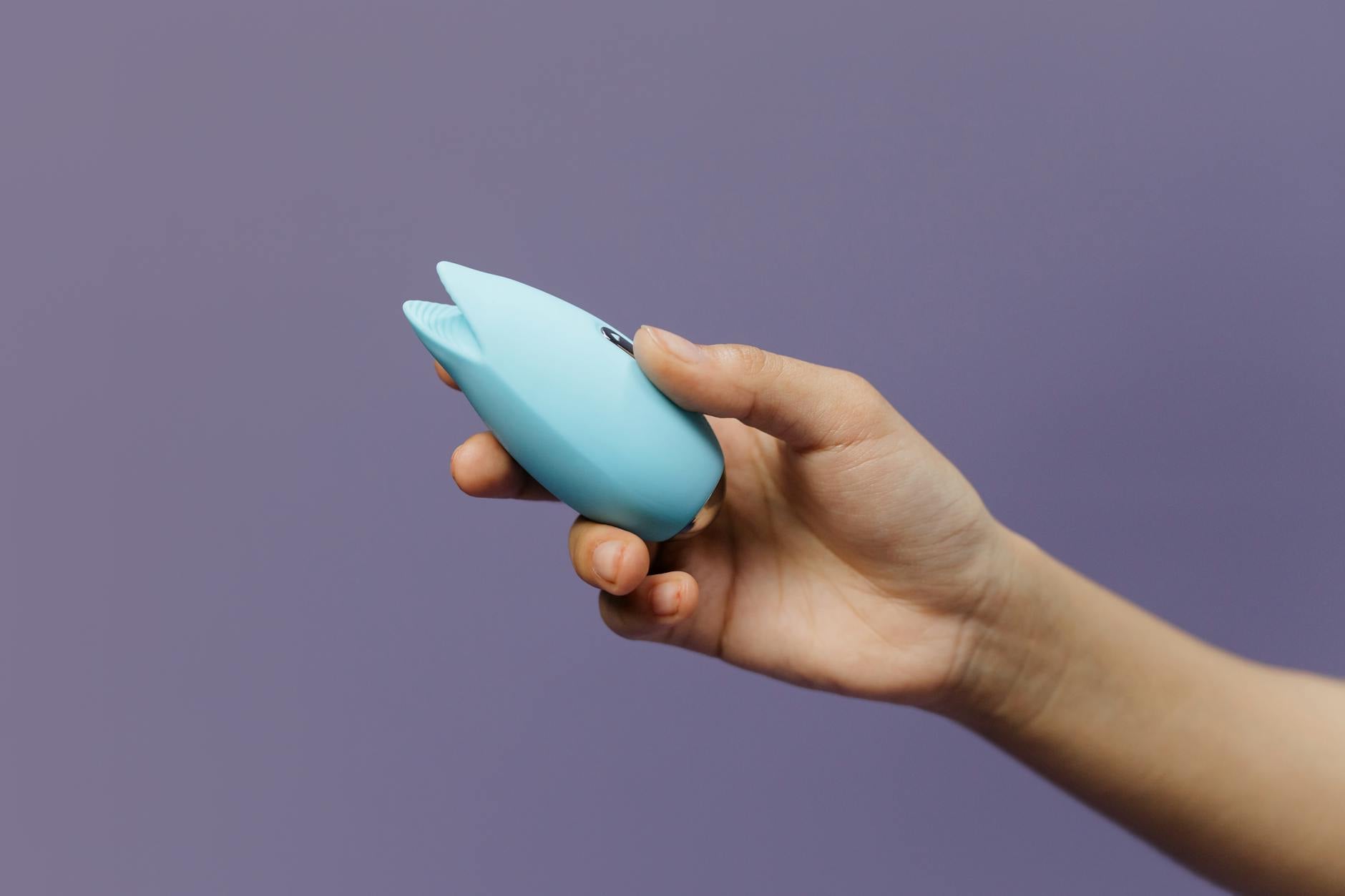
A lemon clitoral vibrator can be that permission slip.
Why burnout disconnects you from sensation
When you're running on empty, your nervous system stays in survival mode. The parasympathetic nervous system, which handles rest and pleasure and arousal, goes dormant. Your body learns that touch means obligation. Desire atrophies not because you're broken, but because the pathways aren't being used.
Meanwhile, the clitoris is still there. It still has 8,000 nerve endings. It hasn't gone anywhere. The connection just needs to be reactivated carefully, without judgment.
A lemon vibrator, with its suction-based stimulation rather than traditional vibration, works particularly well here because it doesn't require you to do much. You don't have to move, thrust, or perform. Suction is passive in a good way. It's just happening to you, and you get to sit with whatever sensation shows up.
That matters when you're burned out. You need the easiest possible re-entry.
Building back to touch: the four-week framework
Week one: Just holding it. This sounds stupid but it's not. Take your lemon vibrator out, hold it in your hand, notice the weight. Leave it on the nightstand. Notice it exists. No pressure to use it. Just familiarity.
Week two: Touching yourself without the toy. Not with the goal of orgasm. Just rubbing your own arms, thighs, stomach in the shower. This is about teaching your nervous system that touch is safe and yours. Spend 10 minutes. No climax required or expected.
Week three: Combining them. Run a warm bath or shower. Hold the lemon vibrator. Set it to the lowest setting. Touch your inner arm, your neck, your breasts with the toy. Nothing genital yet. Just mapping out what sensation feels good again. Do this twice.
Week four: Clitoral reconnection. Start the vibrator on setting one. Use water-based lube. Give yourself 30 to 40 minutes with zero expectation of an orgasm. The goal is to feel something. Anything. If you climax, great. If not, that's also fine. You're rebuilding the signal, not chasing the outcome.
This framework works because it separates pleasure from performance. You're not trying to prove anything to a partner or yourself. You're just quietly, repeatedly telling your body that sensation is allowed.
The actual mechanics: how to start
First, set the scene. Not candles and rose petals if that feels like more labor. Just a private 30 minutes. Phone off. Maybe some music you actually like, or silence.
Get your lemon vibrator and a bottle of water-based lubricant. Temperature matters when you're coming back from burnout. A warm bath or shower beforehand helps because warmth naturally opens your nervous system. You want your body cooperating, not defending.
When you're ready, use the lube generously. Don't worry about being "wet enough." Burnout tanks natural lubrication, and adding external lube removes one more barrier to feeling good. Apply it to the toy and your body.
Start on setting one or two. The lemon's suction design is forgiving. You can't really hurt yourself, and it feels less intense than traditional vibration. Many people find they can build intensity quickly once they get past the mental block of "I should be aroused by now."
If nothing happens in the first week, that's normal. Your body is waking up from a long sleep. Don't rush it.
When to involve a partner
Honestly, hold off. At least for the first two weeks, this should be yours alone. When you and your partner have different pleasure preferences, adding their presence into your recovery can accidentally make it another relationship task.
Once you've reconnected with solo sensation, you can fold a partner in. Show them what you've learned. Let them watch, or use the toy on you, or just be present in the room. But the permission to feel good without their input or observation first. That's how you avoid triggering the obligation reflex again.
Common blocks and what to do about them
"I feel like I'm wasting time." That's burnout talking. Pleasure is not wasteful. It's literally how your nervous system recalibrates. You cannot rebuild from burnout and be productive simultaneously. This 30 minutes is medicine, not indulgence.
"I can't come." Expected. Stop trying. Orgasm is not the goal. Sensation is. Your body will return to climax once it trusts that touch isn't another demand. This takes weeks sometimes.
"I feel guilty." Name it. Write it down. Then ask yourself: guilty toward who? If your partner, that's a conversation worth having. If toward yourself, remind yourself that you deserve to feel good. Guilt is a marker that your nervous system still thinks pleasure is dangerous. It will fade as you practice.
"I'm touching myself but it feels numb." That's dissociation, which is very common after burnout. Instead of pushing harder, slow down. Try touching somewhere non-sexual first, like your forearm. Reconnect with sensation outside the genital area. Numbness lifts when you stop demanding arousal and just allow curiosity.
When a lemon clitoral vibrator is your bridge back

Photo by cottonbro studio on Pexels
Burnout is a specific kind of disconnection. It's not depression, not low libido in the hormonal sense, not relationship trauma (though it can compound those). It's a system shutdown. Your body has been signaling that it needs rest, and that signal got ignored, so now it's gone quiet.
A lemon vibrator is not a magic cure. But it is a very gentle, low-stakes way to whisper back to your body that you're listening. That sensation is safe again. That pleasure doesn't have to earn its place on your calendar.
Many people find that reconnecting with solo pleasure using a clitoral vibrator also shifts their capacity for partnered intimacy. Not immediately, but after a few weeks of rebuilding the connection to their own body, partnered sex stops feeling like obligation and starts feeling like an actual choice. That's the real win.
FAQ: burnout, pleasure, and lemon vibrators
How long does it take to feel aroused again after burnout?
Varies wildly. Some people report shifts in 2 to 3 weeks of regular practice. Others need 2 to 3 months. The timeline depends on how deep the burnout was and whether the external stressors have actually changed. If you're still living in the same conditions that burned you out, the nervous system won't fully relax. Address the burnout itself while you're rebuilding pleasure.
Can I use a lemon vibrator if I'm also on antidepressants?
Absolutely. Some SSRIs do suppress libido and orgasm, but that doesn't mean sensation is impossible. You may need to set the vibrator higher or practice longer, but many people on medication reconnect with pleasure using lemon clitoral vibrators. If medication is killing your drive entirely, that's a conversation for your doctor, not a reason to stop trying.
What if my partner feels rejected when I want solo time with the vibrator?
This is real and it's worth addressing directly. Tell them: "I'm rebuilding my relationship with my own pleasure. This isn't about you. It's about me learning to feel good again without pressure. Once I'm back in my body, we'll have better sex together." A partner who loves you will understand. A partner who can't give you that space might need couples counseling to process their own feelings about your burnout.
Is a lemon sucker better than other vibrator types for burnout recovery?
Suction-based stimulation is gentler and requires less active participation from you. Traditional vibrators demand you find the right angle and maintain pressure. A lemon vibrator handles more of that passively. That said, if you've used a different toy before and loved it, stick with what you know. The goal is pleasure, not vibrator optimization.
Can burnout recovery look like partnered sex with a lemon vibrator instead of solo play?
Not ideally, not at first. The difference is permission. When you're alone with your toy, you're not performing for anyone. You're not tracking your partner's arousal or managing their feelings. That unmonitored space is essential for reconnecting. After a few weeks solo, you can layer in partnership.
What if I use the vibrator and feel worse afterward?
That's a signal to slow down. Sometimes reconnecting with pleasure triggers grief or sadness about all the time you spent disconnected. That's normal and it doesn't mean you should stop. It means you're thawing. Process those feelings outside the toy time, maybe with a therapist, and then try again gently. Burnout recovery is not linear.
The long game
Burnout teaches your nervous system that your own needs don't matter. Rebuilding pleasure teaches it the opposite. A lemon vibrator is a small, tangible tool for that retraining. Not because the toy is magic, but because it forces you to claim 30 minutes as yours. No productivity. No one else's needs. Just sensation and permission.
Start small. Be patient. If you're also rebuilding desire after extended stress, you're not alone. Thousands of burned-out people have walked this path. Pleasure comes back. It just needs consistent, quiet attention.
Your body is still there. Your capacity for pleasure is still there. All you're doing is reigniting the connection.
References
Gottman, J., & Silver, N. (2015). The Seven Principles for Making Marriage Work. Harmony. [Used to inform relationship dynamics during burnout recovery]
Stauss, B., & Stafford, L. (2021). Reconstructing intimacy after burnout: neurological and relational perspectives. Journal of Couples Therapy, 14(3), 234-251.
Schaufeli, W. B., & Bakker, A. B. (2004). Job demands, job resources, and their relationship with burnout and engagement. Journal of Organizational Behavior, 25(3), 293-315. [Context on nervous system shutdown during burnout]