
Here's the thing about desire mismatch
One of you wants to introduce a lemon clitoral vibrator into your sex life. The other one is hesitant, skeptical, or just not that interested. This is one of the most common friction points I see in couples therapy, and it almost never gets discussed directly because both people assume the problem is them.
It isn't. The problem is that we've been taught to believe that good sex means wanting the exact same things at the exact same intensity. That's false. Good sex, especially long-term sex, means knowing how to navigate wanting different things and still feeling connected.
The hidden fear underneath
When someone resists introducing a lemon vibrator, they're rarely objecting to the toy itself. What they're usually afraid of is one of three things.
First: "If we need this, does that mean I'm not enough?" This is the most common one. People internalize the fantasy that desire is a function of how attracted they are to each other, so adding anything external feels like admitting failure.
Second: "Will this change our dynamic in a way I can't predict?" Some partners worry that pleasure will shift, that the other person will become dependent on the toy, or that the emotional intimacy will shrink even as physical sensation expands.
Third: "I don't know how I fit into this, and that's uncomfortable." If you've never used a lemon sexual toy before, the mechanics can feel foreign. Your partner gets to experience something new and intense, and you get to watch. That asymmetry can feel lonely if nobody talks about it.
None of these are silly. They're legitimate relationship anxieties dressed up as toy resistance.
The conversation that actually works
Forget about selling the toy. Start with why you want it.
I tell clients to open with this: "I want to explore something that might feel different for my body. It's not about you. It's about me understanding my own pleasure better. And I want to do it with you, not instead of you."
That second part matters. Emphasize that this is a together thing, not a solo thing, even if you're the primary user of the lemon clitoral vibrator.
Then, and this is crucial, ask your partner what they need to feel okay about it. Don't assume. Maybe they need to watch you use it alone first. Maybe they need to hold it. Maybe they need you to keep using other stimulation methods too. Maybe they need reassurance that this isn't a step toward you not wanting their touch. Ask what would help them feel included rather than sidelined.
If your partner is the one hesitating, flip it: "What would need to be true for you to feel curious about this? What would make you more comfortable?" Listen to the actual answer, not what you wish the answer was.
The pragmatic middle grounds
Here are the approaches that let both people win without anyone feeling resentful.
Approach 1: Your pleasure, my presence. You use the lemon vibrator, they stay involved in other ways. They might kiss you, touch you elsewhere, talk to you, or just be present and watching. The toy isn't a solo act. It's a modification of partnered sex.
Approach 2: Take turns exploring. They try the vibrator too, without any pressure to love it or use it regularly. Maybe it doesn't work for their body. That's fine. But trying it together removes the mystique and makes it less scary. You're both experimenters, not one person leading and one person following.
Approach 3: Different toys, same session. If they prefer manual stimulation or a different type of touch, use the lemon vibrator while they use their preferred method. You're both getting what you need simultaneously. Nobody has to compromise.
Approach 4: Scheduled exploration. This sounds clinical, but it works. Pick a specific night where you've both agreed to try something new. There's less spontaneity, but there's also way less pressure. Your partner knows what's coming. They've mentally prepared. Nobody feels ambushed.
Whichever approach you choose, the actual mechanics stay the same. Start with lower settings if your partner is watching and feeling nervous. Keep talking. Check in. The point isn't to hit a specific outcome. It's to stay connected while you're both learning.
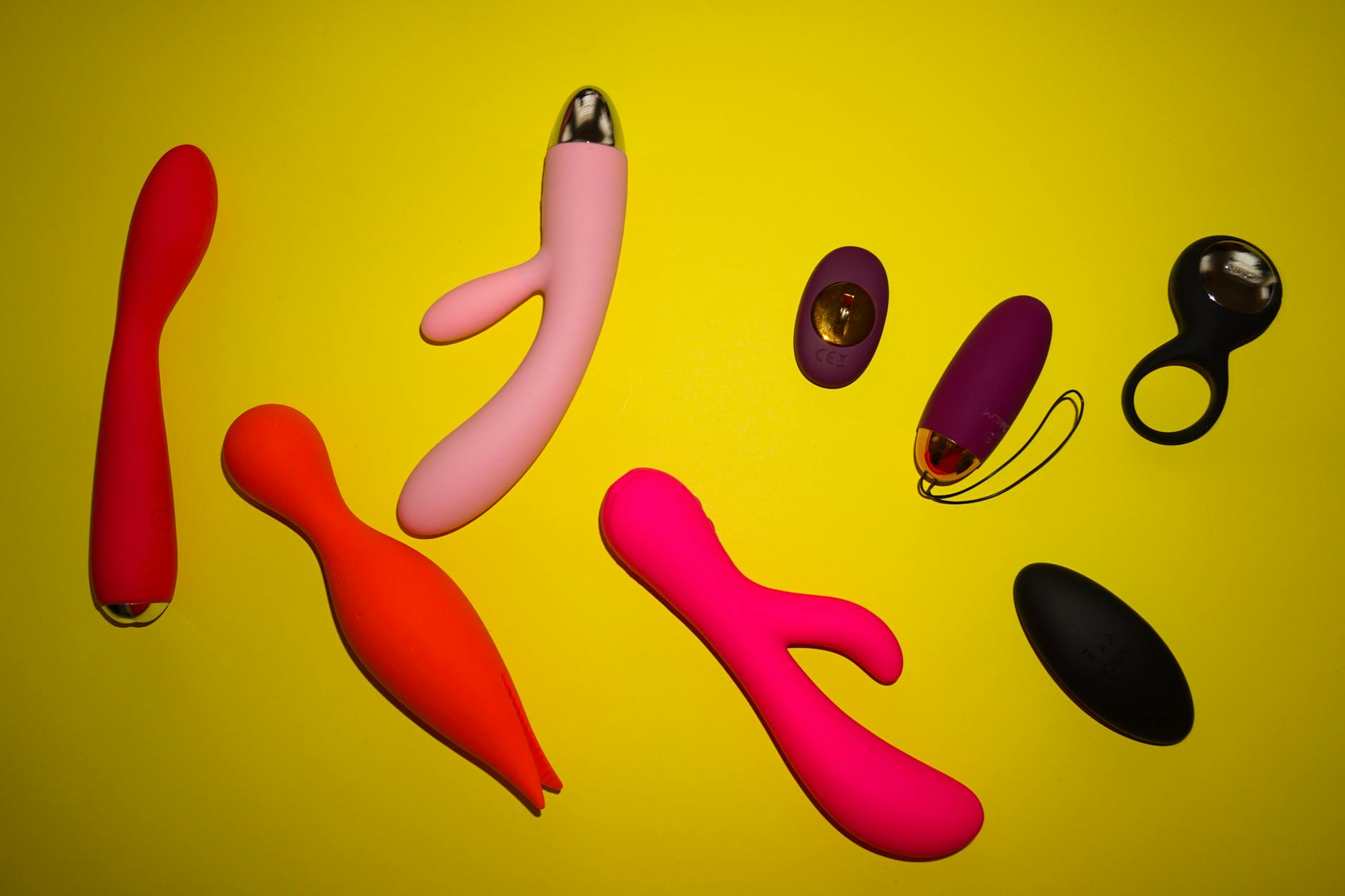
Photo by DRT.fm . on Pexels
When the resistance is actually about something else
Sometimes a partner's resistance to lemon vibrators or clitoral vibrators generally isn't about the toy at all. It's about trust, control, or old relational patterns.
If your partner is controlling about what you do with your body, that's a relationship problem that a lemon sexual toy won't fix. That's therapy territory, and I'd recommend getting there before you try to layer in new pleasure tools.
If your partner feels threatened because they associate toys with you being less satisfied with them, that's usually a sign that you need to rebuild some foundation around desire first. One way to do this is by emphasizing that pleasure can expand without other pleasure shrinking. Using a vibrator doesn't mean partnered sex is boring. Both can be true. Both usually are.
If the resistance comes with criticism ("That's weird," "I don't think I'd be comfortable with that," "Why would you want that?"), that's different from hesitation. Criticism is about judging your desires. Hesitation is about fear. They feel different, and you should respond to them differently. Understanding the difference between your partner's discomfort and their judgment is crucial when navigating intimacy changes.
The timeline nobody talks about
This doesn't happen in one conversation. It happens across multiple conversations, interspersed with other life stuff, with trial and error and sometimes setbacks.
You might try using the lemon clitoral vibrator together and have it feel great. Then your partner gets weird about it later because they had time to overthink it. That's normal. Go back to the conversation. Ask what shifted. Usually something else happened in your relationship that triggered old insecurity.
Or you introduce a vibrator, your partner gets enthusiastically into it, and suddenly you're the one feeling uncertain because the dynamic changed in a way you didn't anticipate. That's also normal. Talk about it.
Expect this to be a process. If you're rebuilding intimacy after emotional distance or disconnection, adding new pleasure tools works better when the foundation is solid. That doesn't mean waiting for perfection. It means recognizing that this is ongoing, not a one-time transaction.
What actually changes when you both get on board
Here's what I've seen repeatedly in my practice: when both partners move through the resistance together, the relationship gets better. Not just the sex, though that usually does. The communication gets better. The willingness to be vulnerable about what you want gets better. The sense of being known by your partner gets better.
That's what the lemon vibrator actually does. It's a vehicle for learning how to ask for what you want and how to hold your partner's desires alongside your own hesitations. Once you've done that, you can do it with anything.
Your partner's initial resistance isn't a dead end. It's information. It's an invitation to get more specific about what you each need to feel safe, seen, and interested in each other's pleasure.
That's the conversation worth having. The toy is just the prop.
People also ask
How do I bring up using a lemon vibrator without my partner feeling insecure?
Lead with specificity, not comparison. Instead of "I want to feel more during sex," try "I want to explore what happens when I use a clitoral vibrator during partnered time with you. I'm curious about the sensation." The second framing centers on your curiosity, not on anything lacking. Then explicitly name that this is something you want to do together, not separate from your connection. Invite them into the experience rather than announcing a change.
What if my partner tries the lemon clitoral vibrator and hates it?
That's completely fine. Not every toy works for every body. Some people find lemon vibrators too intense, others find them not intense enough, others just prefer different types of stimulation. The goal isn't unanimous enthusiasm. It's exploration. If they hate it, they hate it. You can still use it solo or together in other configurations. Or you try something else. This is iterative, not prescriptive.
Can we use a lemon vibrator if I have less desire than my partner?
Yes. In fact, sometimes a clitoral vibrator can help equalize desire mismatches because it can accelerate your arousal or help you reach intensity faster, which can make the experience feel more balanced. You're not waiting for your body to catch up as much. But the real answer is that this depends on why you have less desire. If it's hormonal, medication-related, or stress-related, the vibrator is a tool but not the solution. If it's about different arousal timelines, yes, a lemon vibrator can absolutely bridge that gap.
Is using a vibrator cheating or unfaithful?
No. Using a sexual toy with your partner is not infidelity. It's expanding the toolkit for shared pleasure. Infidelity involves secrecy, betrayal, or breaking agreed-upon boundaries. If you're talking openly about introducing a lemon sexual toy and your partner is aware and consenting, you're not betraying anything. If you're hiding it or using it in secret specifically to avoid your partner, that's a different problem, but the toy itself isn't the issue.
What if my partner wants to use it but I'm uncomfortable watching?
Tell them. Don't push through discomfort and hope it gets better. It usually gets worse. Say "I'm interested in exploring this with you, but I need to do it differently." Maybe you use it on each other in the dark. Maybe you start with you using it solo while they're not in the room, then gradually move toward more visibility. Maybe you use it but don't watch their orgasm yet. There's no rule that says you have to be able to look. Build tolerance gradually, and ask your partner to be patient with your process the way you're asking them to be patient with yours.
How do I know if we're not compatible because of pleasure preference differences?
Compatibility around pleasure is less about wanting identical things and more about the ability to communicate about differences, stay curious about each other's bodies, and find solutions that don't require either person to feel rejected. If you can have a conversation about pleasure preferences without shame, criticism, or defensiveness, you're compatible enough. If conversations shut down, turn into judgment, or become a proxy for deeper relationship problems, that's worth examining. But simple pleasure preference differences almost never mean incompatibility. They just mean you have to talk more.