Why Lemon Vibrator Pleasure Decreases After Menopause and How to Restore It
Let's be real. Menopause changes how your body responds to pleasure. That doesn't mean pleasure ends. But if you've noticed that your lemon vibrator or any clitoral vibrator feels less intense than it used to, you're not imagining it. The shift is physiological, predictable, and almost entirely fixable.
Here's what's actually happening inside, and what you can do about it.
What menopause does to tissue and arousal
When estrogen drops, the tissues around your vulva get thinner. That's not a judgment, it's just biology. Thinner tissue means less blood flow, less natural lubrication, and a longer time to arousal. Your clitoris doesn't lose sensitivity. The nerves stay exactly where they were. But the surrounding tissue changes in a way that affects how quickly arousal builds and how intense that build feels.
Testosterone, which everyone with ovaries produces in small amounts, also drops during menopause. This hormone is a major player in sexual desire and the speed of arousal. When it decreases, the chain reaction in your brain that triggers wanting sex takes longer to activate.
The pelvic floor muscles lose some of their estrogen-powered support, which can change the shape and intensity of orgasm. Some clients describe post-menopausal orgasms as more concentrated in one spot rather than radiating outward. Others report they're more subtle overall. And some find them deeper and more satisfying than ever.
Why a lemon vibrator might feel different now
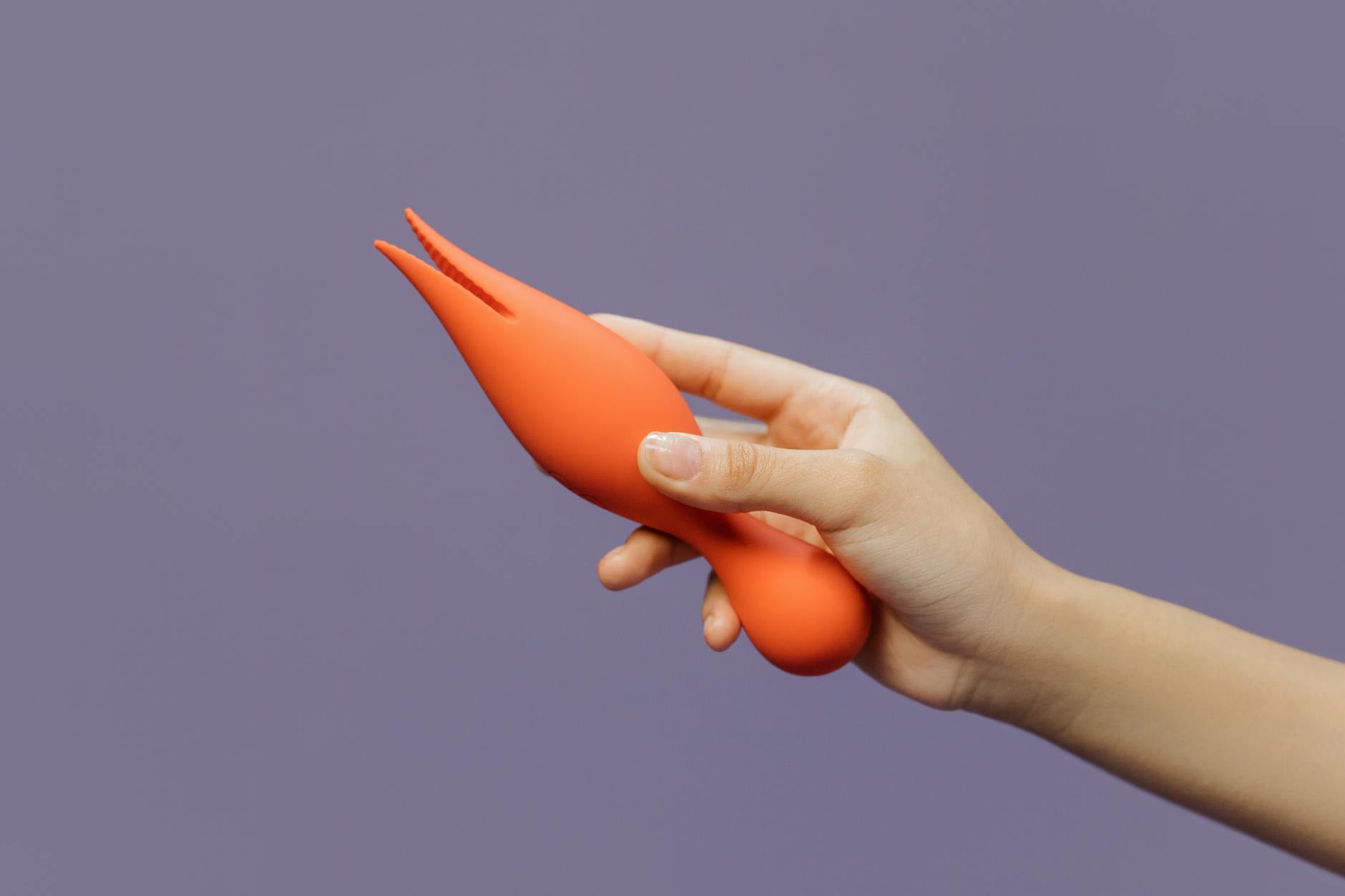
A lemon clitoral vibrator, or any suction-style toy, depends on several things working in concert: quick arousal, tissue firmness that lets the suction seal properly, and consistent blood flow to the clitoris. When tissue thins, that seal can feel less intense. When arousal takes longer to build, you might reach for the toy before your body's actually ready. When blood flow is slower, the sensation might feel muted.
This is completely treatable. You're not broken. You're not past your prime. You're operating with different hardware, and the fix is usually about adjusting your technique, timeline, and sometimes, your lube.
The warm-up window matters more now
One of the biggest shifts I see with my clients after menopause is the arousal timeline. Pre-menopause, some people can orgasm in five minutes. Post-menopause, the same person might need twenty.
That's not a decline. That's a factual change in blood flow speed. And it means everything changes if you're not accounting for it. Many people assume the lemon vibrator just doesn't work anymore, when really, they're using it before their body's ready.
Here's what helps: spend fifteen to twenty minutes on non-genital touch first. This isn't wasted time. It's arousal building. Kiss your partner, if you have one. Touch your own breasts, inner thighs, anywhere but the clitoris. Let blood start flowing south. By the time you reach for your lemon vibrator, your clitoris will be firmer and more responsive.
Most of my clients report that orgasms reached this way feel significantly more intense than the rushed version.
Lubrication is not optional anymore
Water-based lubricant used to be optional for many people. After menopause, it's practically mandatory. And I don't say that to shame anyone. I say it because thinner tissue genuinely benefits from glide, and the right lube transforms the experience.
Use water-based lube with silicone toys like the lemon vibrator. Silicone-based lubes can break down the toy's material over time. A good water-based option is all you need. Apply generously. The goal is comfort and sensation, not self-sufficiency.
Start with pattern one or two on your lemon clitoral vibrator instead of jumping to pattern five. You might have used higher intensities before. That same intensity might feel uncomfortable now on thinner tissue. Build up gradually. Your clitoris will tell you when to increase.
The pelvic floor piece people forget
Everyone knows about kegels. The pelvic floor squeeze. But fewer people know the other half of the equation: learning to relax the pelvic floor fully.
After menopause, the pelvic floor naturally becomes less flexible. It tends to hold more tension. That tension can make orgasm feel blocked or muted, even with a toy that used to work perfectly. A lemon vibrator vibrates against tense muscle rather than responsive tissue.
Pelvic floor physical therapy is worth exploring if this resonates. A pelvic floor PT can teach you how to release that tension consciously. The result for many of my clients is not just sensation returning, but orgasms that feel fuller and more whole than they did in their forties.
The emotional side matters as much as the physical
Menopause rarely arrives alone. It often comes bundled with other life transitions: kids leaving home, relationship renegotiation, career shifts, grief. The temptation is to attribute any change in pleasure entirely to hormones.
Sometimes the lemon vibrator feels less satisfying because menopause genuinely changed tissue. Sometimes it's because you're stressed about work, disconnected from your partner, or grieving a younger version of yourself. Usually, it's both.
The breakthrough usually comes when you separate the two conversations. "My body is responding differently to stimulation" is not the same as "I feel less desire for my partner" or "I don't feel attractive anymore." Mixing them creates confusion. Naming them separately creates clarity and solutions.
When your clitoral vibrator stops working: what to try
If you've warmed up properly, used lube, adjusted your intensity, and the lemon vibrator still feels flat, four things are worth exploring.
First, check your medications. Antidepressants, blood pressure meds, and hormone therapies can all affect arousal and orgasm. If you're on something new, that timing matters. Talk to your doctor. Sometimes switching the dosage or timing helps without changing the medication.
Second, get your thyroid checked. A sluggish thyroid can tank sexual response across the board. It's one of the most overlooked causes of post-menopausal pleasure decline.
Third, explore topical estrogen cream. Genitourinary syndrome of menopause is real and common, and a small amount of localized estrogen applied to the vulva can completely change tissue responsiveness within weeks. It's low systemic absorption. It's safe. And for many people, it transforms the lemon vibrator experience.
Fourth, talk to a menopause-trained doctor about testosterone therapy. It's prescribed more conservatively in some places than others, but it genuinely rebuilds sexual desire and arousal speed. It's not for everyone. But for the right person, it changes everything.
The unexpected gifts of post-menopausal pleasure
Here's something no one tells you: many of my clients report their most satisfying orgasms have come after menopause.
Why. Because the cognitive load lifts. No cycle to track. No fertility concerns. The mental bandwidth that used to go to hormonal fluctuation suddenly becomes available for pleasure itself. You stop performing and start experiencing. For people who spent decades calibrating their pleasure around someone else's timeline, menopause often marks the first time they explore their own desires without apology.
That shift doesn't happen automatically. But when it does, a lemon vibrator becomes less of a rescue tool and more of a celebration of what your body can do now.
FAQ: Lemon Vibrators and Menopause
Can I still orgasm with a lemon clitoral vibrator after menopause?
Completely. Your clitoral nerves don't go anywhere. The capacity for orgasm remains. What changes is the timeline and sometimes the texture. Most people, with the right approach, orgasm just as intensely as before, just with more setup time. If orgasm has completely disappeared, that's worth investigating with a doctor, but it's rarely the menopause alone.
How long should I warm up before using a lemon vibrator after menopause?
Most people benefit from fifteen to twenty minutes of non-genital touch before introducing the toy. This lets blood flow increase and tissue become more responsive. Some people need less. Some need more. Pay attention to how your body feels. You'll know you're ready when the clitoris feels firmer and more prominent.
Why does my lemon sexual toy feel less intense than it used to?
Thinner tissue, slower arousal, and reduced blood flow are the main culprits. That's not a failure of the toy. It's a shift in your body's responsiveness. Adjusting lube, warm-up time, and intensity level usually restores the sensation. If it doesn't, thyroid function, medication side effects, or hormonal therapy might be worth exploring.
Is it normal for orgasms to feel different after menopause?
Completely normal. Orgasms might feel more localized, take longer to build, or have a different texture altogether. Some people find them less intense. Others find them more satisfying because they require intention and presence instead of spontaneous reactivity. Different is not worse. It's just different.
Should I use a lemon vibrator or try something else after menopause?
Clitoral vibrators like the lemon sucker work beautifully after menopause, especially because suction stimulates nerve endings without the same direct friction that can irritate thinner tissue. If one toy stops working, switching intensity levels, lube, or warm-up time usually helps before you abandon it entirely. Some people do find that a different toy design feels better now. There's no wrong answer.
Can hormone therapy change how a lemon vibrator feels?
Yes. Topical estrogen cream can increase tissue thickness and blood flow within weeks, which dramatically changes how toys feel. Testosterone therapy can restore desire and arousal speed. Thyroid medication adjustment can restore sexual response across the board. If you're considering any of these, mention your sexual satisfaction goals to your doctor. It matters to them too.
The long view
Menopause is not the end of your sexual life. It's the middle chapter, and for many people, the one with the most intentionality. Your lemon vibrator, your lemon clitoral vibrator, your preferred toy, they're all still tools for your pleasure. Your body just needs a slightly different approach.
If you're struggling with this transition, reach out. Whether it's a conversation with your doctor about estrogen or testosterone, a pelvic floor PT, or simply a different warm-up routine, solutions exist. Your pleasure matters. Your body still works. And the best is often yet to come.
Have questions about navigating pleasure after menopause, or want to talk through what's shifted for you? Get in touch with Hello Nancy.