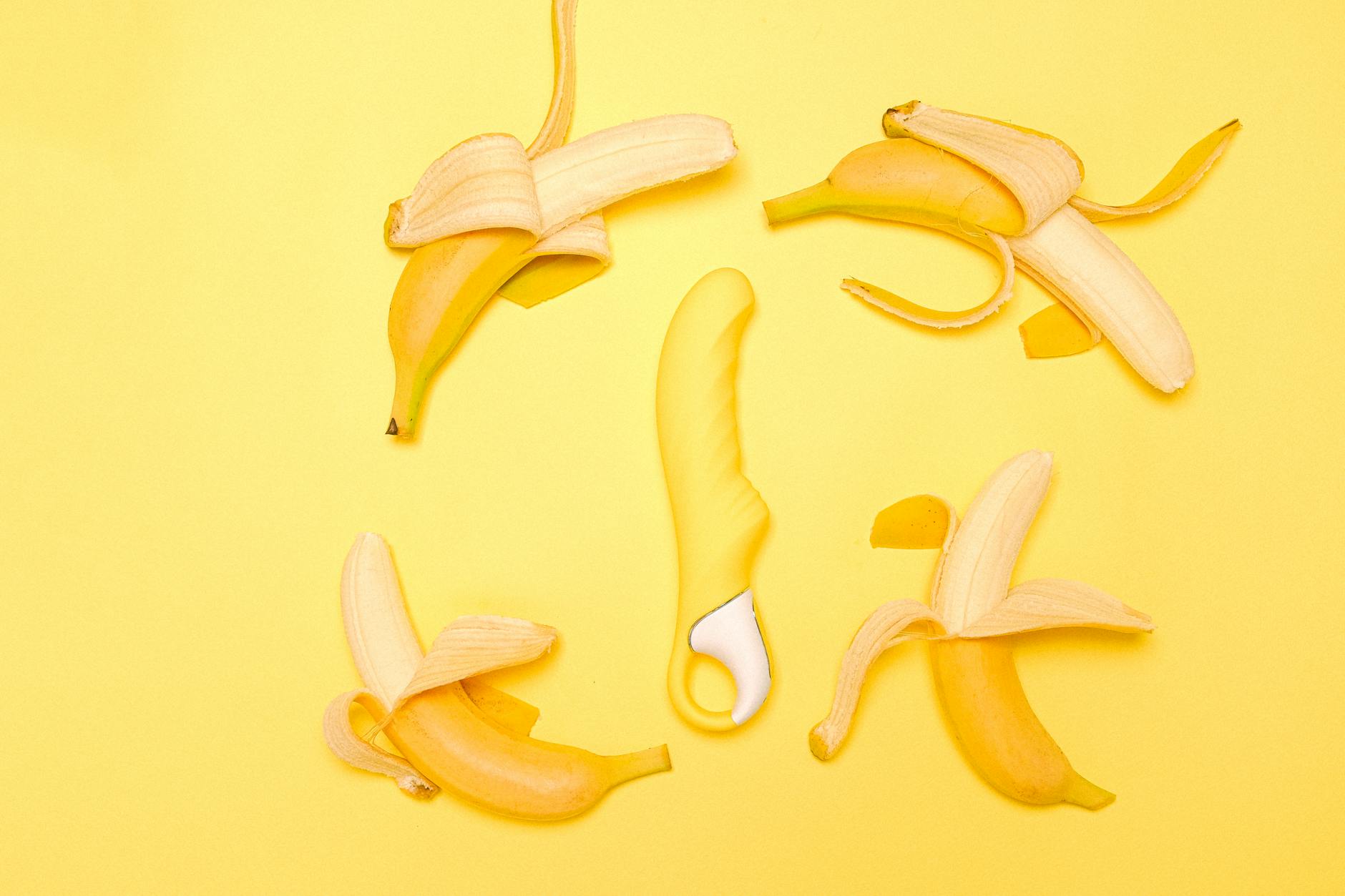
Let's talk about what actually hurts
If a lemon vibrator feels painful instead of pleasurable, you're not broken. Suction toys work through a completely different mechanism than traditional vibration, and that difference matters a lot. Some bodies love the intensity. Others find it intense enough to cross the line into discomfort.
Here's the thing: understanding why it hurts is half the battle. The other half is knowing whether you can adjust and enjoy it, or whether a different kind of toy altogether will serve you better.
How suction actually works on the body
A lemon clitoral vibrator doesn't vibrate your clitoris the way you might think. Instead, it creates a gentle suction seal around the clitoral head and stimulates the nerve endings through rhythmic pulsing air patterns. Think of it less like a vibrator and more like someone gently sucking with precision control.
That suction creates a pulling sensation that concentrates sensation intensely in one small area. For many bodies, this feels amazing. For others, it feels like too much pressure in a sensitive zone, kind of like the difference between a gentle massage and someone pressing their thumb too hard into a knot.
The sensitivity varies wildly based on:
- Tissue thickness and nerve density. Everyone's clitoris is different in size, shape, and how densely packed the nerve endings are. A smaller clitoris might feel the suction more intensely because it's more compact.
- Arousal level when you start. If you jump straight to the Lem without spending 10-15 minutes warming up first, your tissue isn't engorged yet. That makes the suction feel sharper and less cushioned.
- Where in your cycle you are. Hormonal fluctuations change how sensitive your clitoris feels from day to day. The week before your period, your tissue might feel more tender.
- Current or past genital pain. If you've dealt with vulvodynia, vaginismus, or pelvic floor tension, your nervous system might perceive suction as threatening rather than pleasurable.
Why the lowest settings still feel too intense
Most people assume starting on setting 1 will be gentle. It's often not gentle at all. Here's why: suction works differently than vibration. Even the lowest suction pattern can feel overwhelming to a sensitive clitoris because the concentration of stimulation is so focused.
With a traditional vibrator, the stimulation is dispersed across a wider surface area. With suction, it's pinpointed. That means you might need to approach a lemon vibrator differently than you'd approach another toy.
Three things help with this intensity:
Use it over clothing. Start fully clothed or in underwear before using it directly on skin. This adds a buffer layer that softens the sensation without blocking it entirely. Most people are shocked at how well this works and how much it changes the experience.
Start with zero pressure. Don't press the Lem onto your clitoris. Instead, hold it so it's barely touching. Let the suction do the work. Many people instinctively push the toy into their body the way they would with a vibrator. That's the opposite of what helps here.
Go slower with warm-up. Spend 20-30 minutes getting aroused before you even bring the toy into the picture. Read something you find hot, fantasize, use your hands. By the time the Lem arrives, your tissue will be more engorged and naturally less sensitive.
Pain versus intensity. Which one is it?
This matters because the fix is completely different.
Intensity that's uncomfortable but not sharp is usually just a matter of adjustment. You can work with it. Start with lower patterns, use it over fabric, approach it differently the next time. Over a week or two, your body often acclimates and the sensation starts to feel more pleasure-forward than overwhelming.
Pain that's sharp, stinging, or sharp is a different signal. That's your nervous system saying stop. That's worth listening to. Sharp pain can mean:
- Tissue irritation from the silicone material itself (rare, but possible)
- Pelvic floor tension so tight that suction creates discomfort
- Genital pain conditions that make suction feel threatening to your nervous system
- An infection or other medical thing that's making your tissue sensitive
If it's sharp pain, suction toys might not be your match. And that's fine. There are other things that work beautifully. The Lem is brilliant, but it's not the only path to pleasure.
What to try before you give up
Four tactical adjustments that help most people:
Adjust your positioning. Some bodies find suction more comfortable when approaching from a different angle. If you usually use the toy pointing straight up, try angling it slightly to one side. Try it while lying on your back, or on your side, or sitting up. Position changes how the seal forms and how the sensation distributes.
Shorten your sessions. Instead of trying to build to orgasm in one 15-minute stretch, use the toy for three to five minutes, take a break, use your hands for a bit, then come back to it. This prevents the desensitization-then-oversensitivity cycle that can make toys feel painful.
Switch to water-based lube. This sounds counterintuitive because suction toys don't require lube the way other toys do. But a tiny bit of water-based lubricant around the rim of the Lem helps the seal form more gradually and gently. It also protects sensitive tissue from friction.
Try it during arousal spikes. You know that moment when arousal suddenly peaks and everything feels more intense and open? That's when suction toys often feel best. If you're timing it wrong in the arousal curve, even the right toy will feel off.
When to see a doctor about genital pain
If you've tried the adjustments above and suction still creates sharp, stinging, or burning pain, it's worth a conversation with a gynecologist or urogynecologist, especially someone trained in sexual medicine.
You might have:
- Genitourinary syndrome of menopause (GSM). If you're in perimenopause or menopause, thinner tissue can make any concentrated stimulation uncomfortable. This is treatable.
- Vulvodynia or localized provoked vestibulodynia. These are nerve-sensitization conditions that make certain kinds of touch feel painful. They're real, common, and manageable with the right approach.
- Pelvic floor dysfunction. If your pelvic floor muscles are chronically tight, suction can feel like it's pulling on already-tense tissue. Physical therapy helps.
- A contact dermatitis or irritation. Sometimes it's just the silicone material. Switching to a different toy solves it.
None of these mean you can't have pleasure. They just mean you might need to approach it differently or get some support first.
What actually happens when you push through pain
I want to be direct here: pushing through genital pain doesn't build tolerance the way pushing through a tough workout does. It usually sensitizes your nervous system more. Your body starts to associate the toy with discomfort, which makes everything feel worse next time.
If something hurts, the smartest thing is to pause and troubleshoot. Not because you're failing at pleasure, but because pleasure is supposed to feel good. If it doesn't, something's worth investigating.
Alternative toys if lemon vibrators aren't your match
If suction really isn't for you, clitoral vibrators with different shapes and intensities work beautifully. A wand vibrator offers broader stimulation. A toy for sensitive tissue gives you lower power settings without the concentration of suction.
Your pleasure matters more than any specific toy. If the Lem isn't it, something else will be.
FAQ
Why does suction feel more intense than regular vibration?
Suction concentrates stimulation in a pinpointed area, whereas vibration spreads sensation across a wider surface. That's why even lower suction settings can feel more intense than a traditional vibrator on a moderate setting. The mechanism is fundamentally different.
Can you use a lemon vibrator if you have pelvic floor tension?
Maybe, but usually not without first addressing the tension. If your pelvic floor muscles are chronically tight, suction can feel like it's pulling on already-tense tissue and create a sharp or crampy sensation. Pelvic floor physical therapy helps release that tension, after which suction often feels completely different. Once your pelvic floor is more relaxed, you might genuinely enjoy it.
Does lubricant help with lemon vibrator pain?
Yes, a small amount of water-based lubricant around the rim can help the seal form more gradually and protect sensitive tissue. Some people find that this single change makes the difference between discomfort and pleasure. It doesn't interfere with suction the way it might with other toys.
Is sharp pain from a lemon vibrator ever normal?
Not in a way you should power through. Sharp pain is your nervous system's way of saying something doesn't feel safe. That's different from intense sensation that's uncomfortable but not sharp. If pain is sharp or stinging, it's worth pausing and either troubleshooting with the adjustments above or seeing a doctor.
What's the difference between vulvodynia and just having a sensitive clitoris?
Having a sensitive clitoris means you feel sensation more intensely but it still feels pleasurable. Vulvodynia is a chronic pain condition where touch creates pain signals even when there's nothing mechanically wrong. The difference is whether the sensation is intense-but-good or intense-and-painful. If it's the latter, especially consistently, it's worth asking a specialist.
Can you build tolerance to suction toys over time?
Yes, many people do. Your nervous system can learn that suction is safe and pleasurable, especially if you approach it gradually. Start over clothing, use lower patterns, warm up longer, and give your body time to adjust. Some bodies acclimate in a week. Others take longer. And some just prefer other stimulation. All of that is normal.
The real takeaway
Pain during pleasure isn't a sign you're doing it wrong. It's information. Pay attention to it. Sometimes it means adjust your approach. Sometimes it means try a different toy. Sometimes it means talk to a doctor. All of those options are okay. Your body knows what it needs. The trick is listening instead of pushing through.