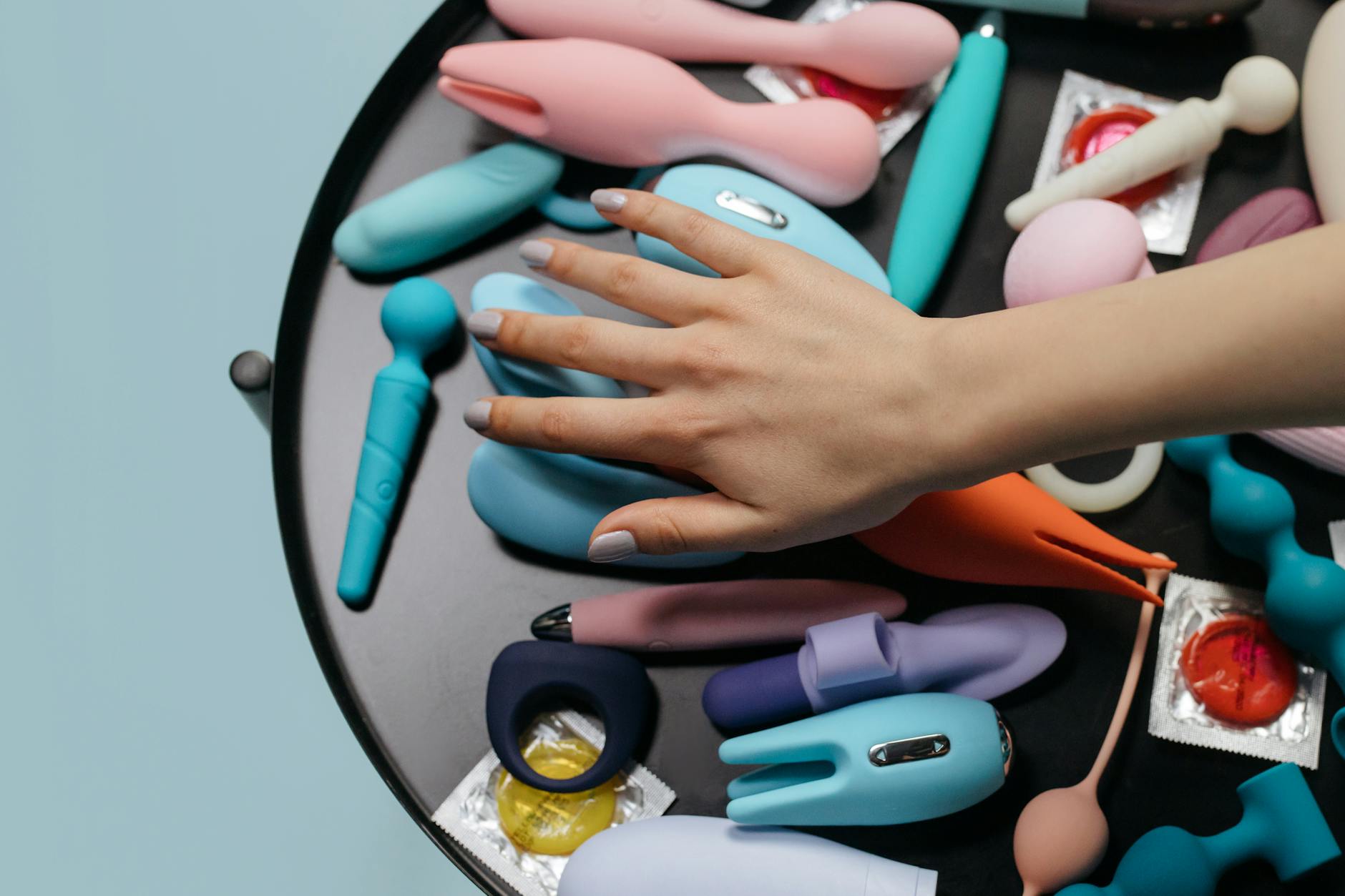
When sensation turns painful
Let's be real: nerve sensitivity changes everything. Whether it's from neuropathy, past injury, medication side effects, vulvodynia, or just a clitoris that's wired to scream at direct pressure, the gap between wanting pleasure and actually being able to access it feels impossibly wide.
Most vibrators make it worse. They're designed for friction and intensity, which is exactly what your nervous system doesn't need right now. A lemon vibrator, by contrast, works through suction and gentle stimulation rather than repetitive vibration. That distinction matters more than you might think.
Why traditional vibration feels different (and often worse)
A standard vibrator moves back and forth at speed, typically 40 to over 100 times per second depending on the pattern. That rapid mechanical friction can overstimulate already sensitive nerve endings, turning what should be pleasure into a sharp, burning, or numbing sensation.
People with nerve sensitivity often describe it like this: "It feels like electricity." Or: "It's too sharp." Or worst of all: "It actually hurts more than it helps."
The mechanism is straightforward. Sensitive nerves have a lower activation threshold. They fire sooner and sometimes more intensely than typical nerve tissue. Dump rapid vibration on top of that and you're not amplifying pleasure, you're amplifying pain.
That's where suction changes the game entirely.
How suction feels different on sensitive tissue
A lemon vibrator uses air-pulse technology, which creates a gentle suction and release pattern. Instead of friction moving against your skin, it's creating a rhythmic vacuum that draws tissue and stimulates nerve endings from a different angle.
The difference is almost physical. Vibration is aggressive. Suction is more like a gentle pull, a rhythmic embrace rather than a hammer.
Cliically, I see this play out again and again. Clients who couldn't tolerate even the lowest setting on a traditional vibrator suddenly find themselves able to climax on pattern 1 or 2 of a lemon clitoral vibrator. It's not because it's weaker. It's because it's working with their nervous system instead of against it.
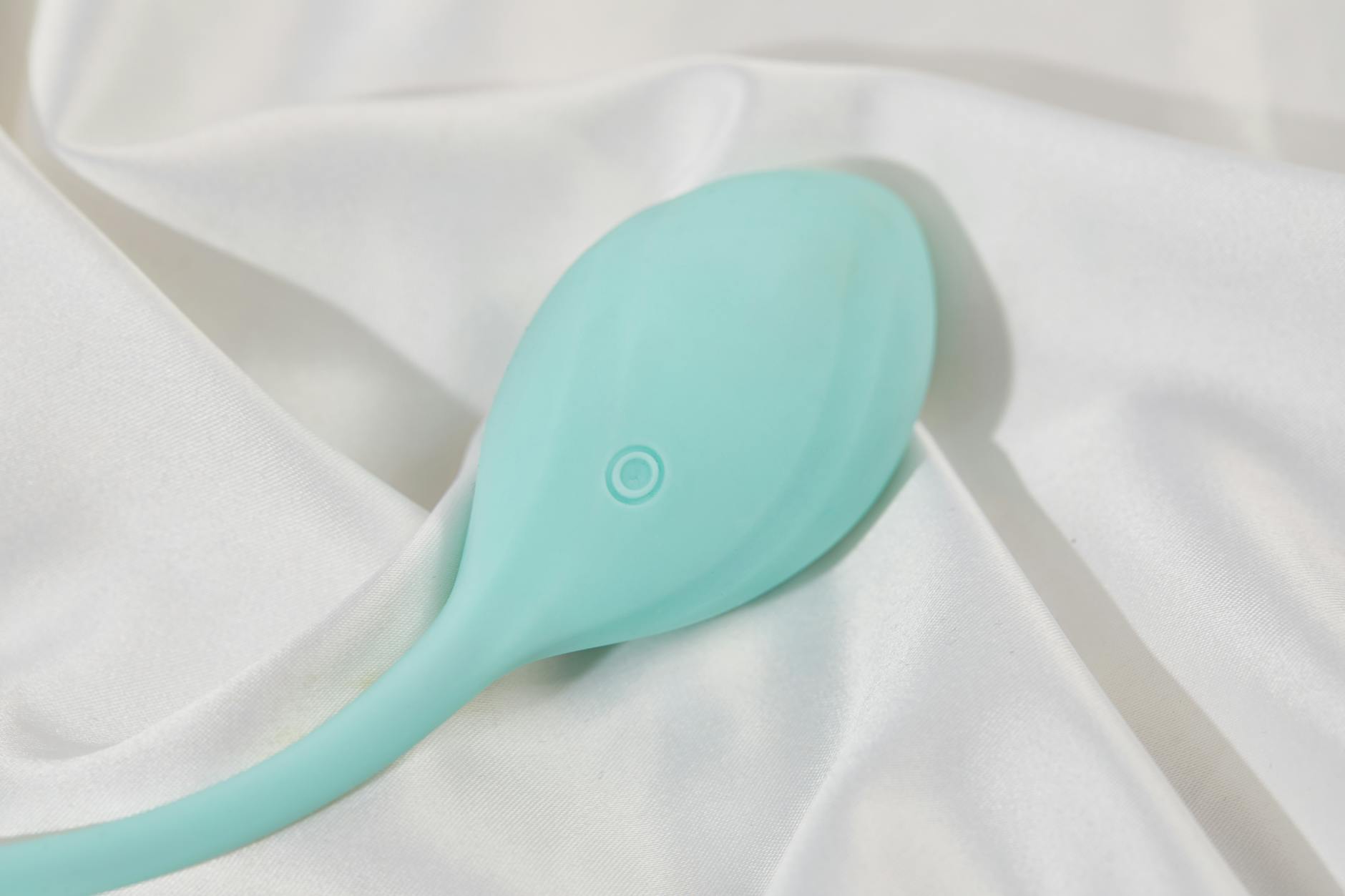
Photo by IFONNX Toys on Pexels
Starting slow when your body is guarded
The biggest mistake people with nerve sensitivity make is jumping straight to pattern 3 or 4, hoping intensity will override the pain. It won't. Your body doesn't work that way.
Here's what actually works:
Start on pattern 1. Full stop. Even if it feels subtle. Even if you're tempted to turn it up. Your nervous system has learned to brace when it anticipates pain. Pattern 1 is about teaching your body that this is different. That it's safe.
Spend 3 to 5 minutes on pattern 1 every session for at least a week. I know that sounds conservative. It is. It's also how you rewire a nervous system that's been wired for protection, not pleasure.
After a week or two, your clitoris will likely start to desensitize in a good way. You'll notice pattern 1 feels more subtle. That's the signal to try pattern 2. Move up, but move slowly.
Use lube even if you think you don't need it. Water-based lubricant reduces friction further and gives your nervous system even less to fight. It's one of the cheapest and most effective interventions available.
Positioning and angle matter more than you think
Direct contact is often the problem. If your lemon vibrator is aimed straight at the clitoral head with full suction engagement, you might still feel too much sensation.
Try angling it slightly off-center. Use the rounded edge of the opening rather than centering the suction directly. You can also hold it at an angle so the seal is less complete, which reduces the suction pull while you're still getting the gentle stimulation.
Some people with vulvodynia or severe clitoral pain also find that using the lemon vibrator over the mons pubis or on the labia majora gives them indirect stimulation without the direct pressure that triggers pain. The sensation travels through tissue rather than hitting the most sensitive nerve endings head-on.
Experiment. Your body will tell you what works.
The mental component: unlearning protective bracing
Here's the hard part nobody talks about: when your body has learned that pleasure means pain, your nervous system gets into the habit of tensing up in anticipation.
Your pelvic floor clenches. Your thighs tighten. You're basically bracing for impact before anything even happens. That muscular guarding actually makes sensation feel worse because now you're adding tension on top of sensitivity.
Breaking that pattern means doing some of the work before you ever pick up your lemon vibrator. Deep breathing helps. Pelvic floor relaxation exercises help. Even just lying down for 5 minutes beforehand and consciously letting your legs go heavy can shift your nervous system out of protection mode.
When you do use the lemon vibrator, keep checking in: Are my thighs tight? Is my pelvic floor clenched? Soften it if it is. Your nervous system will start to learn that this particular sensation is safe, and the protective bracing will gradually ease.
When to pause and reassess
If you're still experiencing sharp pain after two weeks of gradual progression on pattern 1 and 2, something else might be going on. Vulvodynia, pelvic floor dysfunction, nerve damage, or other medical issues sometimes need professional support before self-directed pleasure work can be effective.
A pelvic floor physical therapist is worth your time if pain persists. They can help you understand whether the issue is muscular bracing, scar tissue, nerve hypersensitivity, or something structural.
A gynaecologist trained in sexual medicine can also rule out underlying conditions that might need treatment. There's no shame in needing professional support. Your pleasure matters enough to get it right.
Building confidence slowly
Once you start finding patterns that work, use them consistently. Your body is learning trust. Every time you have a good experience, your nervous system updates its model of what pleasure can feel like. Your brain starts predicting pleasure instead of pain.
That's when things shift. Suddenly pattern 2 feels genuinely good instead of merely tolerable. You might surprise yourself by reaching orgasm, or you might just feel more relaxed and present in your body. Both are wins.
If you're using a lemon vibrator with a partner, talk about what you're doing and why. "I'm going slow because my nervous system needs time to adjust" is a complete sentence. A good partner will understand that you're not broken, you're just working with your body's specific needs. Sometimes that means they hold space while you figure this out alone first. That's okay too.
Your pleasure isn't a finish line you're racing toward. It's a conversation you're having with your body. Listen to what it needs.
Common questions about nerve sensitivity and lemon vibrators
Can a lemon vibrator actually help with vulvodynia?
Vulvodynia is real, and it's complicated. A lemon clitoral vibrator might help some people by providing gentle stimulation that doesn't trigger the pain response, but it's not a cure. The suction mechanism is gentler than vibration, which is why some people with vulvodynia report better results. But if you have vulvodynia, working with a pelvic floor physical therapist is important alongside any self-pleasure work. Many therapists actually recommend gentle devices like the lemon vibrator as part of a comprehensive treatment plan.
What's the difference between nerve pain and just being too sensitive?
Nerve pain typically has a sharp, burning, or electric quality to it and often follows specific pathways or locations. Simple sensitivity is more about your nervous system having a lower threshold for stimulation. Both can be managed with slower progression and gentler tools, but true neuropathic pain sometimes needs medical intervention. If you can't pinpoint where the pain is or it feels unpredictable, get it checked out by a healthcare provider.
How long does it take for nerve sensitivity to improve?
Every body is different. Some people notice improvement within two weeks of consistent, gentle stimulation. Others take a month or two. The key is consistency and patience. Your nervous system learns through repetition. Skipping sessions sets you back because your body loses the practice of feeling safe during stimulation.
Can I use a lemon vibrator if I have neuropathy from diabetes or medication?
Yes, but talk to your doctor first. Neuropathy changes how your body feels sensation, and sometimes you can't feel what's happening where you need to feel it. A lemon vibrator's gentle suction is often better than vibration for neuropathy, but you want to make sure your specific type of neuropathy isn't a contraindication. Your provider can give you the green light and suggest adjustments if needed.
Why does my lemon vibrator feel more intense on some days than others?
Your nervous system isn't static. Stress, hormones, sleep, medication timing, muscle tension, and even where you are in your cycle all affect how stimulation feels. On high-stress days, your nervous system might be more guarded. On relaxed days, the same pattern might feel noticeably more intense. This is normal. Adjust your settings based on how you're feeling that day, and don't assume the tool is broken if sensation varies.
Is it normal to not orgasm even with a lemon vibrator?
Completely normal. Orgasm isn't the only measure of pleasure. Some people with nerve sensitivity find that consistent, gentle stimulation feels good and relaxing without leading to climax. That's still a win. Your nervous system is healing, your body is learning safety, and you're accessing sensation that previously felt painful. Orgasm might come later. Or it might not be the point at all. Both are okay.
Keep going
Nerve sensitivity doesn't have to mean the end of pleasure. It means you need a tool and approach that respects your nervous system's current state. A lemon vibrator's gentle suction technology gives your body a chance to feel good again without triggering the protective bracing that makes pain worse.
Start slow. Be patient. Listen to your body. If you're hitting a wall, reach out to a pelvic floor specialist or your doctor. And remember: the fact that you're trying means you already deserve this.
If you want to talk through what might work best for your specific situation, reach out to Hello Nancy. We're here to help you find pleasure that feels good.