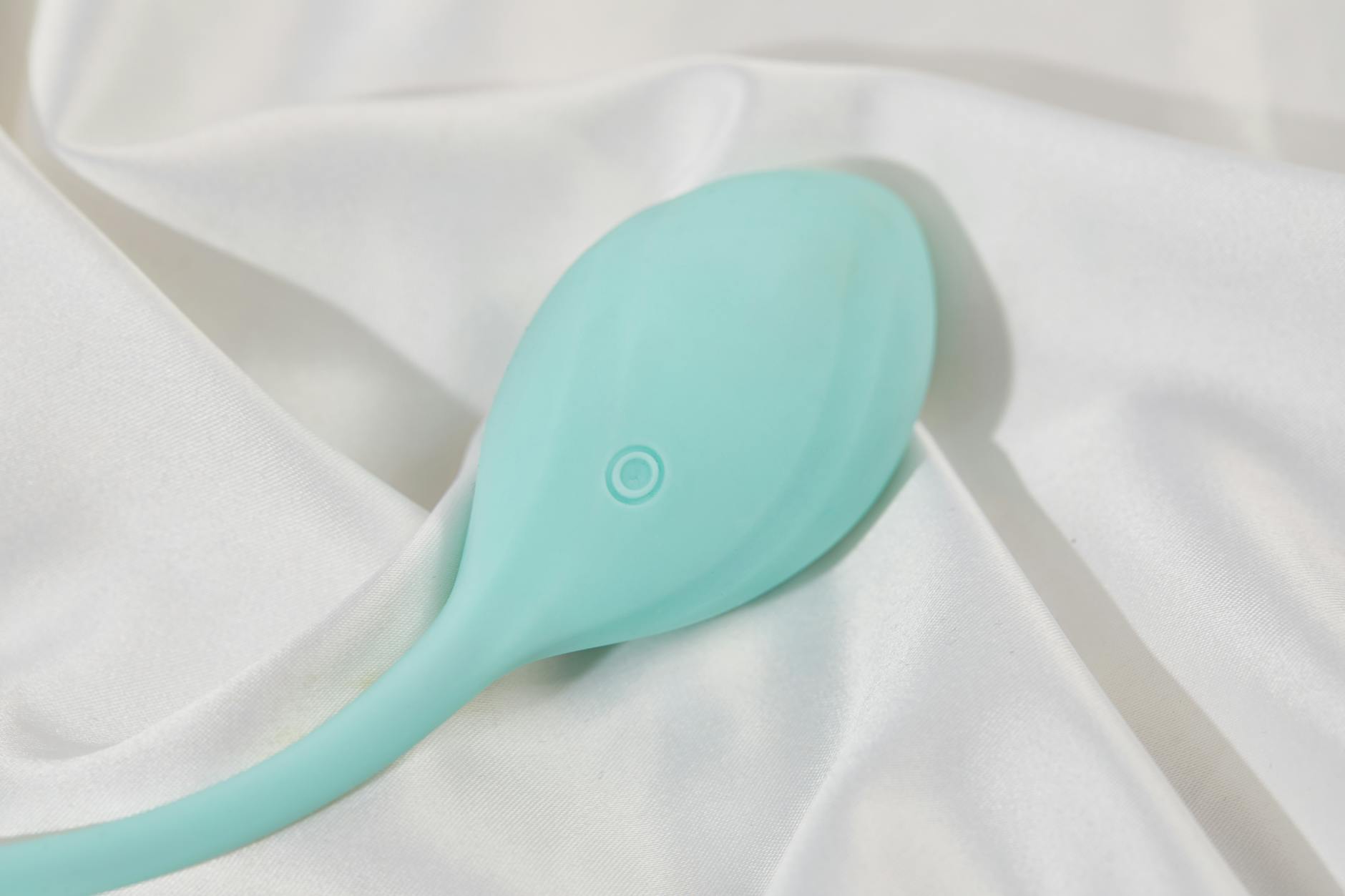
Here's the honest answer right away
Yes. Clitoral vibrators like the Lem are generally safe to use during pregnancy. But "safe" doesn't mean your experience stays the same. Your body is doing extraordinary things, and that changes what feels good, what's comfortable, and how your nervous system responds to stimulation.
Let me walk you through the physiology, the actual safety data, and what I recommend to pregnant people who want to keep pleasure in their lives during this pivotal time.
What pregnancy does to your sexual response
Hormonal flooding is real. During pregnancy, your estrogen and progesterone levels increase roughly tenfold. Your blood volume expands by 40 to 50 percent. More blood in the pelvic region means more engorgement, more sensation, and often, faster arousal.
Sounds great, right? Here's the complicated part. That same hormone surge also makes your tissues more sensitive, more prone to irritation, and more susceptible to yeast infections. The increased blood flow can make everything feel more intense, which is wonderful until it tips over into uncomfortable or overstimulating.
Many pregnant people experience what I call a "sensitivity paradox." Early pregnancy often brings heightened arousal and faster orgasms. By the third trimester, the weight of the belly, back pain, and general exhaustion can flip that switch entirely. Your pleasure doesn't disappear, but the pathway to it changes.
The safety verdict on vibrators during pregnancy
OBGYNs and midwives broadly agree: external vibrators pose no risk to the baby or the pregnancy itself. Your uterus is a sealed chamber. A vibrator doesn't penetrate that space, and the vibrations don't travel deep enough to disturb fetal development.
The real safety considerations are different. They're about infection risk, tissue irritation, and whether orgasms themselves might trigger uterine contractions. Let's break each down.
Infection risk. Pregnancy depletes your immune function slightly, making you more vulnerable to bacterial overgrowth. Keep your lemon vibrator or clitoral vibrator meticulously clean. Wash it with warm soapy water before every use, especially during pregnancy. If you notice any unusual discharge, itching, or burning, stop immediately and contact your midwife.
Tissue irritation. Your vulva is engorged. That feels amazing, but it also means tissues are more delicate. Start with lower intensity settings than you normally use. The Lem's pattern 1 or 2 is often the sweet spot for pregnant people, even if you usually jump to patterns 4 or 5. You're not "less able to feel" pleasure, just processing it through a different, more sensitive baseline.
Orgasms and contractions. Orgasms release oxytocin, which triggers Braxton-Hicks contractions. This freaks some people out. The clinical reality is simple: Braxton-Hicks are not dangerous and don't lead to premature labor in healthy, low-risk pregnancies. If you have a history of preterm labor or are on bed rest, ask your provider directly.
When vibrators aren't the right call
Your midwife or doctor should have ruled out these conditions already, but if you're unsure, ask before using any clitoral vibrator during pregnancy.
Don't use a vibrator if you're experiencing bleeding or spotting, have placenta previa, have been diagnosed with incompetent cervix, or have been told to avoid sexual activity. These situations are about your specific pregnancy, not a blanket rule. Work with your care provider to understand what's safe for you.
How to use the Lem and other lemon vibrators while pregnant
If you get the all-clear from your midwife, here's my practical framework.
First, patience with your position. As your belly grows, what worked in early pregnancy becomes physically awkward. You might need to lie on your side, use pillows for support under your pelvis, or explore seated positions. The goal is comfort first, pleasure second. A vibrator should never require you to contort.
Second, start low. If you normally use pattern 5, begin with pattern 2. Your tissues are different. You're not testing your "capacity" here, you're matching the tool to your current nervous system. Most pregnant people find they actually prefer gentler, longer stimulation over intense, brief bursts.
Third, lubrication matters more than ever. Pregnancy hormones shift your natural lubrication, and increased vaginal blood flow can make external tissues feel dry even when they're engorged. Keep water-based lubricant within reach. The Lem works brilliantly with good lubrication, and there's zero risk to the baby from water-based lube.
Fourth, duration and frequency. Some pregnant people orgasm more easily than ever before. Others find that pleasure takes longer to build and feels different. There's no "right" rhythm. Honor what your body wants that day.
What your partner should know
If you're pregnant and partnered, your partner might be anxious about sex and vibrators during pregnancy. This is worth a direct conversation.
The reality: clitoral stimulation and orgasms don't harm the baby. A vibrator is not "more invasive" than partnered sex, which remains safe throughout most uncomplicated pregnancies. If anything, a clitoral vibrator is lower-pressure because it's entirely within your control. You set the pace, the pressure, and you can stop instantly if something doesn't feel right.
Many couples find that external vibration actually opens up new pathways for pleasure when penetration feels uncomfortable or off-limits (which it sometimes does during pregnancy, depending on the person and the trimester). The Lem is designed for external clitoral stimulation, which means it's safe, direct, and doesn't require negotiation around deeper penetration.
The mental piece
This is where I want to sit with you for a moment, because it matters more than the vibrator itself.
Pregnancy is a profound identity shift. Your body is doing miraculous things, and it's also becoming a little less your own. Some people find that sexual pleasure during pregnancy is reclaiming an essential part of themselves. Others find that pregnancy temporarily dissolves their desire entirely, and that's equally valid.
There's no pressure to maintain the same sexual rhythm you had before pregnancy. If pleasure feels good and accessible, brilliant. Use your clitoral vibrator, enjoy your body, let yourself experience sensation. If desire has vanished or sex feels off-limits right now, that's not a problem to solve either.
The point is agency. Understanding that vibrators are physiologically safe during pregnancy means you're free to choose whether and how to use them, without shame or fear.
FAQ: Your pregnancy and vibrator questions answered
Is it safe to use a lemon clitoral vibrator in the first trimester?
Yes. Early pregnancy is when many people actually experience their strongest desire, thanks to hormone flooding. The Lem and other clitoral vibrators pose no risk to early fetal development. The baby is protected inside the uterus, sealed away from external vibration. Use the same hygiene practices you would at any stage of pregnancy: clean your vibrator before use, maintain good hand hygiene, and stop immediately if you notice any bleeding or unusual symptoms.
Can vibrator use trigger premature labor?
No, not in uncomplicated pregnancies. Orgasms release oxytocin, which causes mild uterine contractions called Braxton-Hicks. These are normal, harmless, and distinct from labor contractions. They don't typically lead to premature birth in healthy pregnancies. However, if you have a personal or family history of preterm labor, placental issues, or incompetent cervix, ask your midwife directly whether sexual activity, including vibrator use, is right for you.
What if vibrator stimulation feels overstimulating during pregnancy?
Pregnancy heightens sensitivity. What felt perfect before can suddenly feel too intense. Lower the pattern setting on your Lem to a gentler number, increase your lubrication, take longer warm-up time, and pause if you need to. Your nervous system is processing more blood flow, more hormones, and often more stress. Gentle, extended stimulation often feels better than intense, rapid patterns. Honor what your body is telling you that day.
Can I use a lemon vibrator if I'm having bleeding or spotting?
No. Stop sexual activity, including vibrator use, if you experience any bleeding or spotting during pregnancy. Contact your midwife or doctor immediately. Bleeding can signal placental issues, miscarriage risk, or other complications that require professional evaluation. This isn't about vibrators specifically, it's about protecting your pregnancy.
Is it better to use a clitoral vibrator or have partnered sex during pregnancy?
Neither is "better." They're different tools for different moments. A clitoral vibrator gives you complete control over intensity, speed, and timing, which can be valuable when your body feels unpredictable. Partnered sex offers intimacy and connection. Many pregnant people find that vibrators become especially valuable in the third trimester, when penetration might feel awkward or uncomfortable but desire persists. Talk with your partner about what feels accessible and good for both of you.
Does orgasm during pregnancy feel different?
Yes, usually. The increased blood flow to your pelvic region can make orgasms feel stronger, longer, or more diffuse. Some pregnant people report the most intense orgasms of their lives during pregnancy. Others find they come more easily but feel less peaked. Both are normal. Your pelvic floor is softer, your arousal threshold is lower, and your nervous system is processing more sensation overall. The experience of pleasure shifts, but the capacity doesn't disappear.
The bottom line
Clitoral vibrators like the Lem are safe during uncomplicated pregnancies. Your baby is protected. The real work is listening to your pregnant body, respecting its changing sensitivity, and staying curious about pleasure even as everything else feels chaotic.
If you have specific health concerns or high-risk factors in your pregnancy, talk directly with your midwife or OB. They know your case. But for most pregnant people, sexual pleasure isn't something you have to surrender. You're just navigating it differently.
Your body deserves attention and care during pregnancy. Pleasure is part of that care.