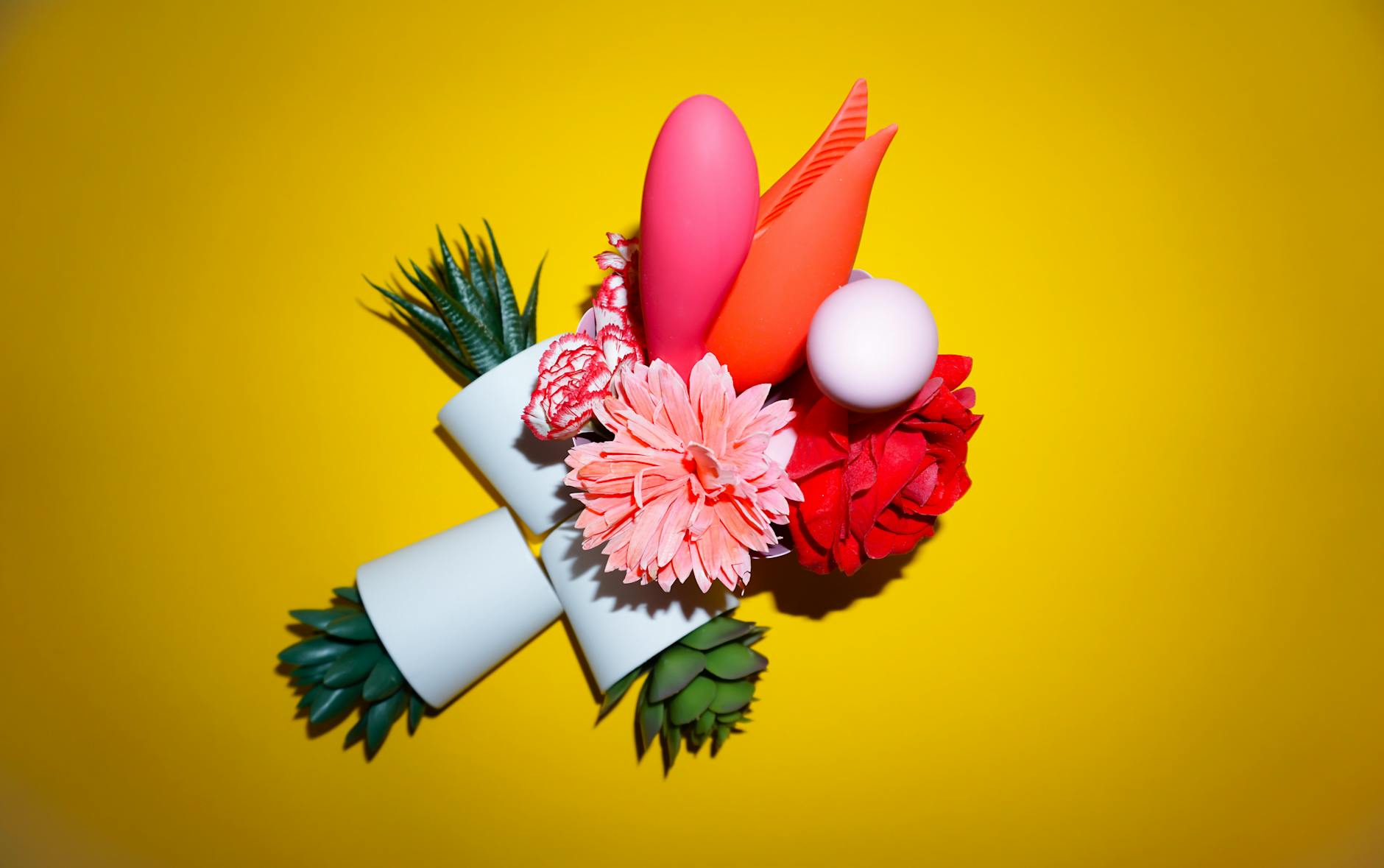
How menopause actually rewires pleasure
Let's be real. Menopause changes things. But here's what nobody says clearly: it doesn't end pleasure. It redirects it. Your body doesn't break. It evolves.
The shift is hormonal, yes. Estrogen and testosterone drop. Tissue thins. Blood flow patterns change. But the pathways for pleasure remain intact. The clitoral nerves don't disappear. Your brain's capacity for arousal doesn't vanish. What changes is the mechanism, not the destination.
I've worked with hundreds of women navigating this transition. The ones who struggle most aren't the ones whose bodies changed. They're the ones who expected their bodies to feel the same and panicked when they didn't.
Why menopause changes genital response
Tissue thickness matters more than we talk about. Estrogen keeps vaginal and vulvar tissue thick, elastic, and well-lubricated. When estrogen drops, that tissue thins. It becomes more sensitive to friction and less naturally lubricated. This is not a flaw. It's a predictable biological shift.
The clitoris itself doesn't shrink, but the surrounding tissue does. This can make the clitoris feel more prominent or reactive, which sounds like it should be good news. It is, mostly. But it also means that direct friction stimulation—the old approach that worked for decades—can suddenly feel too intense or even painful.
This is where people get stuck. They assume the answer is to push harder, use more vibration intensity, or add more friction. That's backwards. The answer is often to switch tools entirely.
Why lemon suction vibrators work differently after menopause
Air-suction technology—the kind Hello Nancy's lemon vibrators use—creates a seal over the clitoris and uses gentle suction pulses instead of direct vibration or friction. This matters enormously post-menopause.
Here's why. Suction stimulates the clitoral nerve cluster without the mechanical pressure that thinner tissue can't handle. You're not dragging a vibrating surface back and forth over sensitive skin. You're creating a gentle pulse that draws blood flow into the area and activates the entire clitoral network, not just the exposed tip.
Most women report that their orgasms on a lemon clitoral vibrator feel deeper, more full-body, and arrive faster than they did on traditional vibrators. Some say they feel more intense than anything they experienced pre-menopause. This isn't placebo. It's mechanics meeting biology.
The physical adjustments that actually work
Three things transform the experience post-menopause:
First, water-based lubricant is non-negotiable. Not because something is wrong with you, but because thinner tissue absorbs lube faster and benefits from consistent moisture. Apply generously and reapply halfway through. This removes the friction problem entirely.
Second, warm-up time extends. You're looking at 15 to 25 minutes of foreplay or manual stimulation before moving to a vibrator. Arousal builds slower when estrogen is low. That's not bad. It's just different. Use that time to explore what actually feels good now, not to rush toward the old timeline.
Third, start gentle. If you're used to a traditional vibrator on setting 8, the lemon vibrator works brilliantly on setting 2 or 3. You're not numb. You're just experiencing stimulation differently. The suction creates sensation that high-intensity buzzing never could.
Why desire often returns—in a different form
One of the stranger phenomenon I see clinically is that sexual desire often comes roaring back after a period of low interest during perimenopause. It's not universal, but it's common enough that it surprises women who braced for permanent loss.
Part of this is physiological. Once the hormone volatility stabilizes, some women experience a kind of mental clarity that feels like permission. The monthly hormone rollercoaster stops. The fertility anxiety dissolves. The pressure to perform lessens because you're no longer holding space for someone else's reproductive timeline.
Part of it is relationship. When pleasure returns post-menopause, it often feels different because it's not tied to the old patterns. You're not having sex to maintain intimacy with a partner or to manage relationship anxiety. You're having sex because your body is asking for pleasure, on its own terms, for the first time in decades.
That shift in motivation changes everything. And it's worth exploring.
When pain shows up, don't ignore it
If intercourse or any kind of penetration has become painful, genitourinary syndrome of menopause (GSM) is real and treatable. This isn't about the lemon vibrator or any external tool. It's about the vaginal tissue itself becoming inflamed or atrophied.
A good menopause-informed GP can prescribe topical estrogen cream, which restores tissue health in weeks. This is different from systemic hormone replacement therapy and has minimal systemic absorption. It works. I've seen it transform someone's experience between one month and the next.
If desire has flatlined completely and isn't returning, testosterone therapy is worth discussing with a specialist. Women produce testosterone too. It's a major driver of sexual interest. When it drops, desire can disappear. Replacing it, even at modest doses, often brings that drive back.
The relationship conversation that matters
If you have a partner, menopause is a time to separate two conversations that usually get tangled. Conversation one: "My body feels different and I'm learning what works now." Conversation two: "I want us to stay connected during this transition."
They sound like the same thing. They're not. One is about physical exploration and adaptation. The other is about emotional intimacy and reassurance.
When you try to have both conversations at once, you end up either avoiding the physical stuff because you're anxious about connection, or you dive into exploring new tools without checking in emotionally. The lemon vibrator or any toy becomes a workaround instead of a bridge.
Have the emotional conversation first. Then the physical one. Then come back to the emotional one again. That rhythm works.
Pleasure after menopause is different—not less
I want to be direct about this because the cultural narrative is so grimly wrong. You are not broken. Your body is not failing you. Menopause is not the end of your sexuality.
Menopause is the middle chapter of your sexual life, and honestly, it's often the most interesting one. You have decades of self-knowledge. You know what you like. You know what you don't. You're not performing for anyone but yourself. And your body, while changed, is still capable of extraordinary pleasure.
Tools like the lemon vibrator work so well post-menopause because they're designed around stimulation, not friction. They meet your body where it is now, not where it was. That's not a loss. That's an upgrade.
FAQ: Your actual questions about menopause and pleasure
Does menopause definitely decrease sexual pleasure?
Not necessarily. What menopause does is change the mechanism. Physical response shifts—arousal takes longer, lubrication decreases, tissue thins. But pleasure itself? That's still accessible, often more intensely than before. Many women report their best orgasms happening post-menopause, especially once they adjust their tools and expectations. The key is not assuming the old approach will work the same way.
Why do air-suction vibrators like the lemon work better after menopause?
Suction stimulates without friction. When vaginal and vulvar tissue thins from lower estrogen, direct vibration or rubbing can feel too intense or painful. Suction creates a seal and pulses gently over the clitoris, activating the entire nerve network without mechanical pressure on thinned skin. This approach bypasses the friction problem entirely and often produces more intense orgasms than traditional vibrators ever did.
Should I use lubricant every time with a lemon vibrator after menopause?
Yes. Water-based lube removes friction and makes every sensation clearer and more comfortable. Apply generously before you start and reapply halfway through. This isn't a sign something is wrong. It's maintenance, like using sunscreen. Thinner tissue absorbs lube faster, so you'll need to refresh it more often than you might have pre-menopause.
How long does it take to feel aroused after menopause?
Budget 15 to 25 minutes instead of the quicker timeline you might be used to. This isn't dysfunction. It's a different tempo. Use that time to explore your body without pressure, because lower estrogen also means you might discover new kinds of stimulation that work better now. The slowness is actually an opportunity to be more intentional.
Is it normal to want less sex after menopause?
Low desire during perimenopause is incredibly common because hormones are chaotic. But many women report desire returning once hormones stabilize. If desire has completely disappeared and isn't budging, testosterone therapy is worth exploring with a menopause specialist. If desire is present but physical response feels different, that's just an adjustment, not a problem.
What if penetration is painful after menopause?
Genitourinary syndrome of menopause (GSM) is common and treatable. Topical estrogen cream restores tissue health rapidly, often in weeks. See a menopause-informed GP. Don't just accept pain as inevitable. It's not. It's a straightforward medical issue with a straightforward solution.
What comes next
Menopause is not a deadline. It's a threshold. On the other side is often more sexual confidence, clearer desire, and deeper pleasure than you've ever known. The catch is that you have to be willing to explore it without nostalgia for how your body used to work.
Your clitoris is still there. Your capacity for orgasm is still there. Your right to pleasure is still there. The mechanism has shifted. The destination hasn't.
If you're navigating this transition with a partner and want support unpacking the relationship side of things, we can help. And if you want to explore tools designed around how your body actually works now—like the lemon vibrator—that's where Hello Nancy comes in.
You deserve pleasure that fits your body as it is. That's not a consolation prize. That's the whole point.