Let's talk about winter numbness
If your orgasms feel quieter in January than they do in July, you're not imagining it. Cold weather is a real sensation dampener, and almost nobody warns you about it. Your body literally works against pleasure when it's trying to conserve heat.
Here's what actually happens physiologically, and what you can do about it.
Why cold weather numbs sensation
Your nervous system has a hierarchy of priorities. When ambient temperature drops, your body diverts blood flow from extremities and non-essential tissues toward your core to maintain core temperature. Your skin, including the sensitive tissue on your vulva and clitoris, receives less circulation. Less blood flow means fewer nerve endings firing, slower arousal, and muted sensation overall.
This isn't just discomfort. It's a measurable neurological shift. Cold constricts blood vessels. Constricted blood vessels reduce the oxygen and nutrients reaching sensory nerves. When sensory nerves don't have enough fuel, they signal less intensely.
Add to this the seasonal mood dip. Winter brings reduced daylight, which lowers serotonin production. Lower serotonin tanks dopamine, and dopamine is what drives desire. So you're dealing with a double hit: physiological numbing plus reduced motivation.
The lemon vibrator advantage in winter
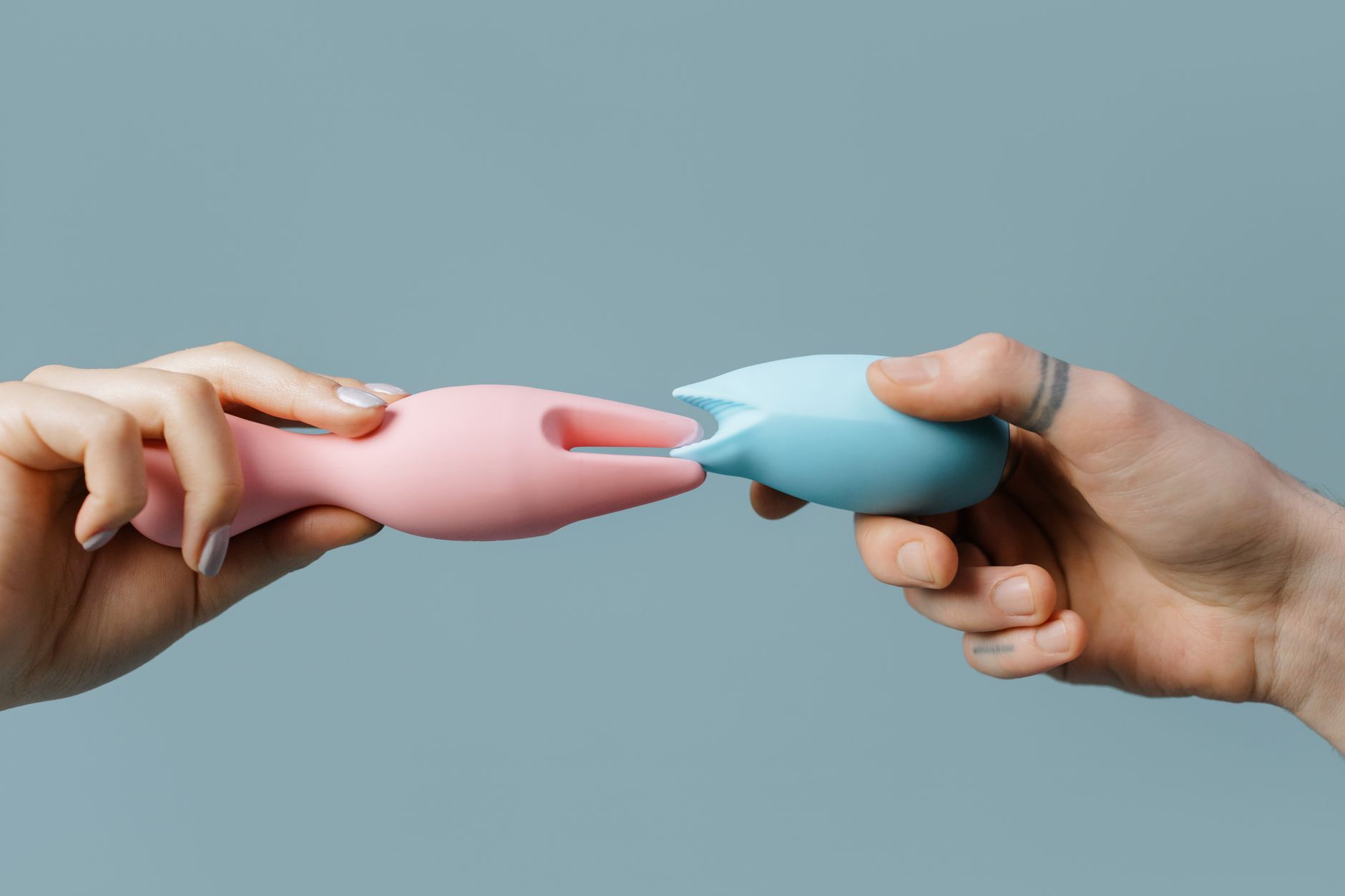
This is where air-suction toys like the Lem Vibrator Shop's lemon clitoral vibrators shine. Unlike traditional vibrators that rely on friction, lemon suckers work through gentle suction and pulsation. That matters enormously when sensation is already compromised.
Here's why: friction-based stimulation requires your nerves to register the pressure and movement directly. When your circulation is compromised, that signal gets lost or feels muted. Suction toys stimulate your nerves differently. They create micro-pressure changes that activate nerve endings even when blood flow is limited. It's not about rubbing harder. It's about engaging a different sensory pathway.
Most of my clients report that when they switch to their lemon sexual toys during winter, sensation actually improves. Not because the toy is magic, but because suction stimulation bypasses the friction pathway that cold has already dampened.
The warm-up protocol that actually works
Forgetting the warm-up is the biggest mistake people make in winter. You need what I call a "heat-first" protocol.
Step one: Raise your core temperature. Not a lukewarm shower. Actually warm. Fifteen to twenty minutes in hot water, or a heating pad against your lower abdomen and thighs for fifteen minutes before you even start. This increases blood flow to your pelvic region and primes your nervous system.
Step two: Move. Five to ten minutes of gentle movement (stretching, walking, dancing, whatever you want). Movement increases circulation and body heat. It also triggers a release of endorphins and dopamine. You're literally warming yourself up from the inside.
Step three: Time it. Don't start with your lemon vibrator cold. Use five to ten minutes of manual touch or a partner's touch first. Build arousal gradually. In winter, your body needs longer to shift into a responsive state. Budget twenty-five to thirty-five minutes total, not ten.
Step four: Adjust intensity. Start at pattern one or two on your lem vibrator, even if you usually go higher. Cold-numbed sensation means you need a slower climb. Going too hard too fast will frustrate you because you won't feel it. Low and slow lets your nerves wake up progressively.
Environment matters more than you think
Your bedroom temperature directly affects your body's ability to send pleasure signals. If you're cold, your nervous system is still partially in "preserve heat" mode. You're fighting physiology.
Set your bedroom to at least 72 degrees Fahrenheit (22 Celsius) before you begin. Use blankets strategically. You want to be warm without overheating. Some people find that keeping their legs under a warm blanket while using a lemon adult toy works better than being completely naked.
Light also matters seasonally. Dim bedroom light at night combined with short daylight hours means your brain is producing melatonin earlier and staying in sleep mode longer. If you have flexibility, try midday or early afternoon sessions in winter when daylight is strongest and your circadian rhythm is naturally higher.
The lube conversation in cold weather
Water-based lubricant gets thicker in cold. Silicone-based gets thinner. In winter, this can work against you. A thicker lube creates drag, which you don't want when sensation is already compromised.
Switch to a thinner water-based lube or a silicone-based option in winter (if you're using a silicone toy, stick with water-based to avoid damage). Better yet, use less lube and apply it just before use, so it hasn't cooled to room temperature. Some people keep lube in a warm water bath for a minute before application.
This sounds precious. It's not. Lube temperature and viscosity directly affect how much stimulation your lemon clitoral vibrator can deliver.
The partner dynamic shifts in winter
If you have a partner, this is worth discussing explicitly. Decreased sensation is not decreased desire. The distinction matters because most people conflate the two. You might want to be intimate more, not less, because you need more stimulation to reach the same sensation. But a partner might read that as "they're not interested in me" instead of "their nervous system needs a different approach."
The conversation goes like this: "In winter, I need longer warm-up time and I respond better to suction toys than friction. This isn't about you. It's seasonal physiology." Then actually schedule it. Not "whenever we feel like it," but "Tuesday and Friday evenings, bedroom warm, thirty-five minutes." Scheduling takes pressure off and lets you both prepare.
When numbness is more than seasonal
If numbness persists year-round or appears suddenly outside of winter, see a healthcare provider. Nerve damage, medication side effects, hormonal shifts, and underlying health conditions can all cause persistent numbness that looks seasonal but isn't.
For winter-specific numbness, if the protocols above aren't helping after two to three weeks, consider that you might also be experiencing seasonal affective disorder (SAD). SAD is both a mood condition and a physical one. The same treatment helps both: light therapy in the morning, movement, and sometimes short-term therapy. When your brain is struggling, your body's pleasure response gets muted too.
The rhythm you need in winter
Honestly, winter is the season when lemon vibrators truly prove their value. You're using them differently than summer. Lower intensity, longer warm-up, more patience, better environmental control. That's not a failure. That's adaptation.
Your pleasure doesn't disappear in winter. It just requires a more intentional approach. Once you build that approach, many of my clients report that winter intimacy becomes their favorite because it's deliberately paced instead of rushed.
Start with warmth, move slowly, use a tool designed for nuance, and give yourself time. That's the winter protocol.
People also ask
Why does cold weather reduce clitoral sensation?
Cold triggers blood vessel constriction as your body preserves heat by redirecting circulation toward your core. Your vulva and clitoris receive less blood flow, meaning nerve endings have less oxygen and glucose to fire with intensity. Additionally, cold slows neural signaling overall. Combined with winter's lower serotonin and dopamine, your entire arousal system runs on a dimmer switch.
Are lemon suckers better than regular vibrators for winter numbness?
Yes, for most people. Suction-based toys like lemon clitoral vibrators activate nerves through pressure changes rather than friction. When friction-based stimulation feels muted because of reduced circulation, suction can bypass that limitation. That said, individual nervous systems vary. Some people find that any vibrator works fine with the right warm-up. The lemon vibrator's advantage is that it requires less friction force to feel effective, so it's gentler when sensation is compromised.
How long should warm-up take in winter?
Budget twenty-five to thirty-five minutes total. That includes heat application (fifteen to twenty minutes), movement (five to ten minutes), and manual stimulation (five to ten minutes) before using your lemon vibrator. I know that sounds long. In winter, your nervous system genuinely needs this time to shift into a responsive state. Once you're warm and aroused, you'll actually feel the sensation from your toy.
Can medication affect winter numbness?
Absolutely. Some antidepressants, blood pressure medications, and antihistamines can worsen cold-induced numbness because they affect blood flow or neural signaling. If you're on medication and winter numbness is new or worse than usual, ask your doctor whether your medication might be contributing. Sometimes a timing adjustment or a brief dose reduction in winter helps without compromising your health.
Is the numbness permanent or will sensation return in spring?
For most people, seasonal sensation changes are temporary. As daylight increases and ambient temperature rises, blood flow improves, serotonin and dopamine production increase, and sensation returns to normal. However, if you ignore numbness and stop using your lemon sexual toys or being intimate, deconditioning can make the numbness feel longer than it actually is. Staying active during winter keeps your neural pathways engaged.
What if I'm numb even after warming up?
Try extending your warm-up by another ten minutes, or increase the room temperature by a few degrees. If numbness persists despite these changes, it might not be seasonal. Nerve damage, thyroid dysfunction, vitamin deficiencies, and other conditions can mimic winter numbness but need medical evaluation. See a healthcare provider if numbness doesn't improve with environmental adjustments or persists into warmer months.
References
Perry, S. L., et al. (2021). Seasonal effects on sexual desire and function. Archives of Sexual Behavior, 50(8), 3749-3759.
Thomson, P. (2019). Thermoregulation and autonomic nervous system responses to cold exposure. Journal of Thermal Biology, 81, 63-71.
Wehr, T. A., et al. (2001). Conservation of photoperiod-responsive mechanisms in humans. American Journal of Physiology, 281(4), R876-R882.