Let's be real about what hormones do to pleasure
Your clitoris didn't stop working when your hormones shifted. But the speed, intensity, and pathway to sensation? That absolutely changed. Whether it's a new birth control, switching medications, approaching menopause, or coming off hormonal treatment, hormonal shifts rewire arousal in ways nobody warns you about.
The frustrating part: you know what pleasure feels like. Your body remembers. But the route there feels locked, slower, or weirdly numb in spots that used to light up immediately. That's not broken. That's biology. And it's fixable.
What actually happens when hormones shift
Estrogen and testosterone don't just fuel desire. They directly affect clitoral tissue thickness, blood flow to the vulva, and how quickly your nervous system fires during arousal. When hormones drop or change, tissue gets thinner, blood flow becomes less predictable, and your brain takes longer to register stimulation.
Here's the part they don't tell you: this isn't permanent numbness. It's a recalibration. Your nervous system is still capable of intense sensation, but it's now asking for a different kind of signal to wake up.
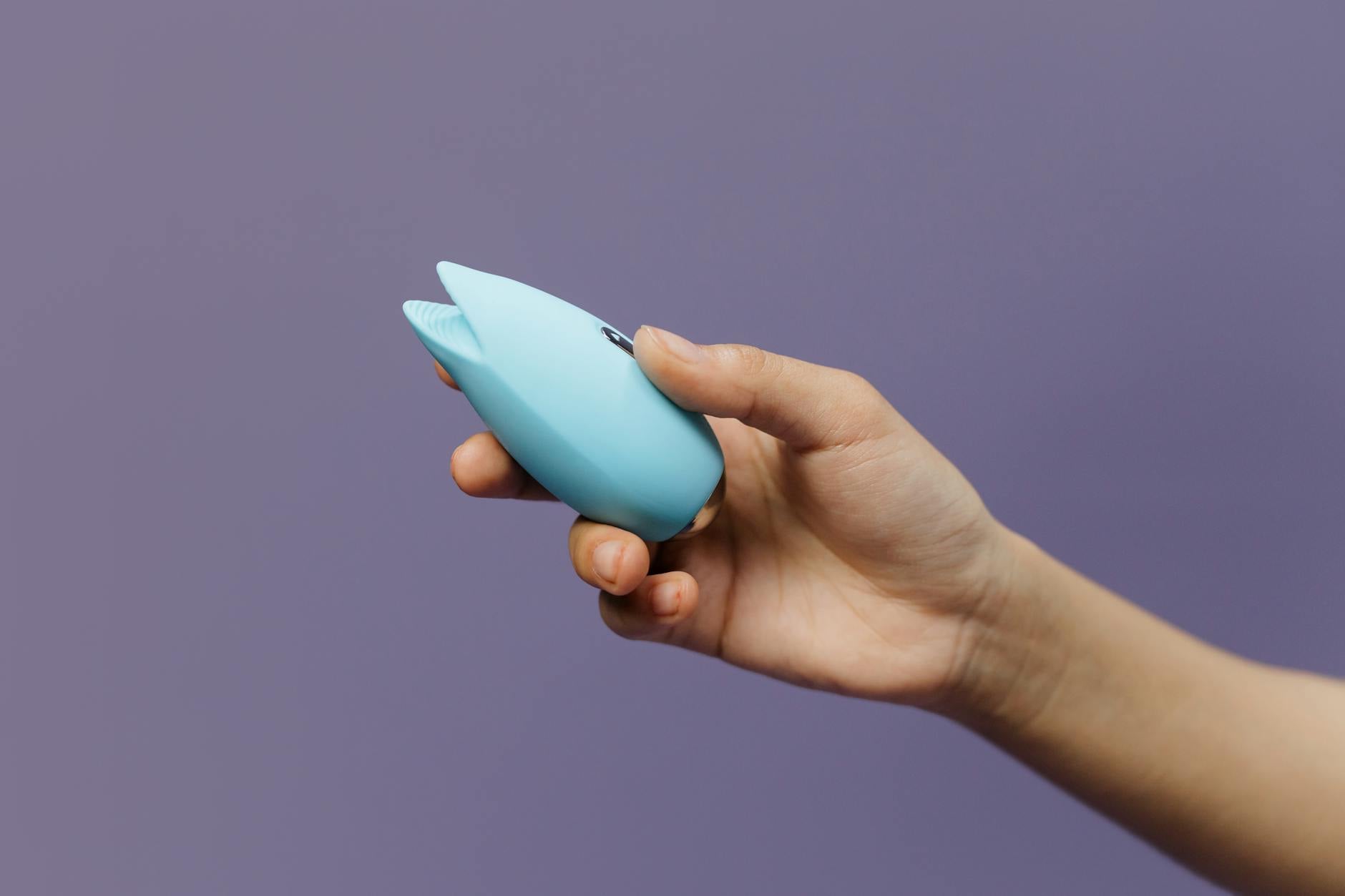
That's where the lemon clitoral vibrator changes the game. Air-suction technology (which lemon vibrators use) stimulates nerves differently than traditional vibration. Instead of friction, suction creates a pressure wave that reaches deeper nerve clusters. For someone rebuilding sensation after hormonal shifts, this pattern often works faster than anything else.
Why lemon vibrators work for sensation rebuilding
Three reasons:
1. Non-traditional stimulation pattern. Your nervous system hasn't stopped responding to the old patterns because they went away. It stopped because those patterns were tied to a specific hormonal backdrop. Air-suction introduces a completely new stimulus pathway, which often reactivates sensation faster than "trying harder" with the same approach.
2. Controllable intensity from the start. With most lemon sexual toys, you begin on the gentlest setting. This matters because post-hormonal-shift tissue is often more sensitive to direct pressure. Starting low lets you find the threshold where sensation kicks in without overwhelming nerves that might be extra reactive right now.
3. Consistent, targeted stimulation. Your hand or a partner's touch varies in pressure and rhythm. A lemon vibrator maintains a steady frequency, which helps your nervous system recognize and respond to the signal. That consistency is exactly what rebuilt sensation needs.
The rebuild protocol: how to use a lemon clitoral vibrator
Start with warmth. Spend 10-15 minutes on foreplay before introducing the lemon vibrator. Arousal requires blood flow, and blood flow needs time. Your body isn't lazy or broken. It's just working at a different tempo now.
When you're ready for the toy, start on setting 1 or 2. Hover or barely touch the clitoris first. Many people make the mistake of pressing directly onto the clitoris immediately. With rebuilt sensation, you're teaching your nerves to recognize a signal again. Gentle contact at the sides of the clitoris or slightly above it often triggers response faster than direct pressure.
Stay there. Don't climb the intensity ladder after 30 seconds. Spend 3-5 minutes at a low setting, paying attention to what you notice. Tingling? Warmth? A building pull? Your job isn't to chase orgasm. It's to rebuild the conversation between your body and sensation.
Once you feel clear response at setting 2, move to setting 3. Again, stay for 3-5 minutes. This isn't rushing. This is remapping.
Common blocks during sensation rebuilding
"It doesn't feel like anything." This usually means either you need more foreplay first, or the setting is too subtle for your current baseline. Try 10 more minutes of partner touch or manual stimulation before introducing the lemon vibrator. If you've given it 5-10 minutes and still nothing, jump to setting 3 or 4. Sensation rebuilding means finding the threshold where your nerves respond, not staying stuck at settings that produce zero signal.
"It feels intense but not good." Hormonal shifts can make the clitoris hypersensitive or create weird sharp sensations instead of pleasure. If this happens, try positioning the lemon vibrator slightly off the clitoris, or use it over underwear at first. The slight barrier diffuses intensity. You're not being wimpy. You're being smart about your current nervous system.
"I feel numb right after." Tissue can become temporarily overstimulated if you jump intensity too fast. Future sessions, dial back to the setting where sensation felt good and stop while it still feels good, rather than chasing one more peak. Your nervous system needs time between sessions to recalibrate.
When to involve a partner in sensation rebuilding
If you have a partner, let them know you're working on rebuilding sensation after hormonal shifts. This isn't about them. It's about you discovering what your body needs now. Partners often hear "sensation isn't working" as "something is wrong with our dynamic," which derails the whole process.
Separate your sensation-rebuilding sessions (solo time with the lemon vibrator) from partnered intimacy at first. Once you've mapped your new baseline over 2-3 weeks of solo sessions, you can bring the lemon clitoral vibrator into partnered time. Let your partner watch, or guide them to join the rhythm. Many couples find that shared sensation rebuilding actually deepens connection, because it's honest and exploratory rather than performance-based.
The timeline: when you'll notice shifts
Week 1: You're mapping. You find the settings where sensation appears, even if it's different from before.
Week 2-3: Sensation strengthens. The lemon vibrator at lower settings now produces clear response. Pleasure starts building faster.
Week 4+: You're rebuilding confidence. Your body is responding predictably. Orgasm might feel different than it did pre-hormonal shift. It might arrive slower. That's normal. You're learning your new baseline.
When sensation rebuilding stalls
If you're six weeks in and sensation still feels absent or painful, check three things.
First: are you still on a medication that affects arousal? Some antidepressants, antihistamines, or blood pressure meds genuinely suppress sensation. This isn't fixable with a better toy. It's worth a conversation with your prescriber about timing or alternatives.
Second: is your nervous system dealing with other stress? Hormonal shifts are physical, but they often arrive with emotional shifts too. Grief, anxiety, relationship friction. Your body prioritizes safety over pleasure. If you're carrying stress, sensation rebuilding will stall no matter what toy you use.
Third: are you giving yourself enough recovery time? Sensation rebuilding isn't a daily sprint. Three times a week is plenty. Overuse can actually dull response by fatiguing the nerves you're trying to reawaken.
The permission piece
Your body didn't betray you by changing. Hormonal shifts happen. And pleasure after hormonal shifts doesn't mean you're starting from zero. You have years of neural memory about what feels good. You're just rebuilding the pathway to it with a lemon vibrator, which speaks a slightly different language than your body used to.
That's not a downgrade. It's an evolution. And in many cases, sensation rebuilding actually leads to more intense orgasms than before, because you're learning your body at a deeper level than you had when pleasure came automatically.
Give yourself grace through this. Sensation rebuilding is absolutely worth the investment. You deserve pleasure that works with your body as it is now, not against it.
Frequently Asked Questions
Q: How long does it usually take to rebuild sensation after hormonal shifts? A: Most people notice clear improvement within 2-3 weeks of consistent use (3-4 times weekly), though full sensation rebuilding often takes 6-8 weeks. Some shifts are faster, some slower. Your body's pace is the right pace.
Q: Can I use the lemon clitoral vibrator if sensation is painful right now? A: If you're experiencing pain, see a doctor first. Pain during arousal can signal genitourinary syndrome, hormonal imbalance, or pelvic floor tension that needs clinical attention. Once cleared, start very gently with the lemon vibrator, and consider working with a pelvic floor physical therapist alongside toy use.
Q: Will sensation rebuilding work if I'm on birth control? A: Yes, but timeline may be longer. If you switched to a new birth control recently, your body is still adapting. Give it 2-3 months on the new formulation before assuming sensation won't return. Use sensation rebuilding techniques in the meantime. If sensation doesn't improve after three months, talk to your prescriber about whether this formulation is the right fit.
Q: What's the difference between a lemon vibrator and other clitoral vibrators for sensation rebuilding? A: The key difference is stimulation type. Most vibrators use rapid back-and-forth vibration, which can feel overwhelming if your nervous system is recalibrating. Lemon vibrators use air-suction technology, which creates a pressure wave that stimulates deeper nerve clusters. This gentler approach often works better during rebuilding, though not everyone prefers it. You might need to experiment.
Q: Should I rebuild sensation solo or with a partner? A: Start solo. Partner presence (even well-meaning) adds performance pressure that interferes with true sensation rebuilding. Once you've discovered your new baseline alone over 2-3 weeks, bring your partner in if you want to. Many couples find partnered sensation exploration actually deepens intimacy once the pressure is off.
Q: Is it normal for my orgasms to feel different after hormonal shifts, even with the lemon vibrator? A: Completely normal. Hormonal changes affect not just how quickly you reach orgasm, but how it feels in your body. Some people report more localized sensation. Others describe waves instead of peaks. Neither is wrong. Your body is simply expressing pleasure differently now. That's not a loss. It's just different.
References & Sources
The guidance in this article draws from relationship counseling principles, clinical literature on hormonal effects on arousal, and evidence-based approaches to intimate reconnection. For specific medical concerns about hormonal changes and arousal, consult a gynecologist or endocrinologist. For relationship questions during this transition, a couples therapist experienced in sexual health can provide personalized support.