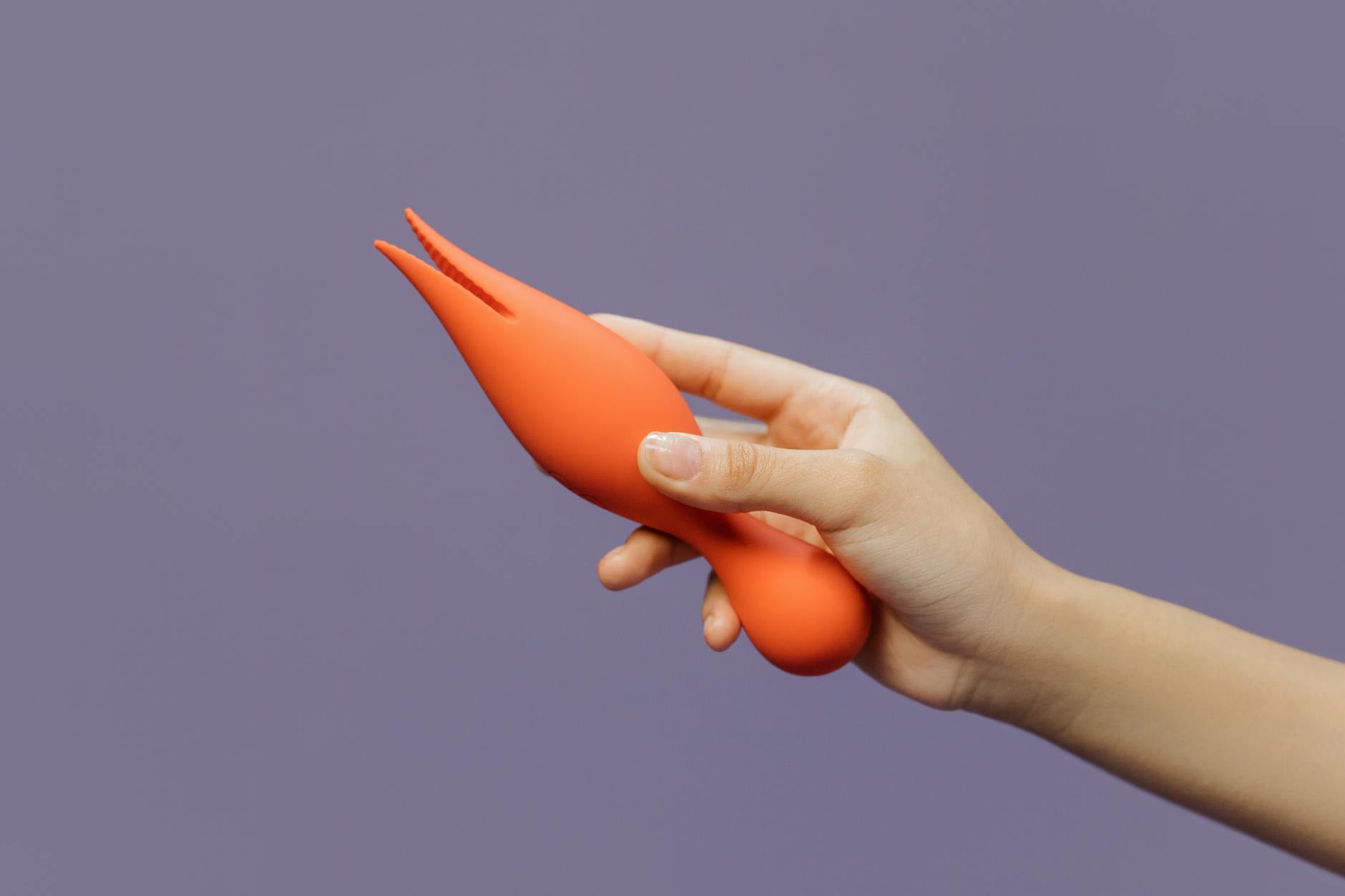
How to Use a Lemon Vibrator When Reconnecting After a Relationship Break
Time apart changes your nervous system. Here's how a lemon clitoral vibrator can help you and your partner rebuild arousal, trust, and pleasure together.
When couples separate, even briefly, the body doesn't just pick up where it left off. Your nervous system has recalibrated around absence. You've grown accustomed to not touching, not being touched. Arousal patterns shift. The trigger that used to work takes longer to activate. Trust, which is the actual foundation of pleasure, needs to be rebuilt in the body before the mind catches up.
Most couples try to jump back into sex as if nothing happened. Then they feel confused when it doesn't click. The lemon clitoral vibrator can be a powerful bridge during this transition, but only if you understand what you're actually rebuilding.
Your body is a creature of habit. During time apart, your nervous system learned to stay in a low state of arousal. It became efficient at self-protection. That's not a flaw. That's your body doing its job.
When you reconnect with a partner, your nervous system doesn't automatically reset. It needs evidence that it's safe to open again. Touch that was once neutral now feels loaded. Sensation that used to escalate quickly now requires patience. A lemon vibrator works here because it gives you control over the pace and intensity while your partner is present, creating a safe framework for pleasure to return.
The clitoral stimulation from a device like the Lem bypasses some of the relational anxiety that can block arousal. You're not performing for your partner's approval. You're rebuilding your own capacity for sensation while they witness and support it.
I recommend couples do this before partnered exploration: spend 3-5 days using a lemon vibrator solo. Not because there's shame in needing your partner to wait. Because your body needs to remember what pleasure feels like without relational pressure attached.
Set aside 20 minutes alone. Use a lube you like. Start at a lower vibration pattern on the Lem and notice what happens. You're not trying to orgasm. You're relearning the pathway from neutral to aroused. Many people find that solo reconnection brings back sensation faster than partnered attempts because there's zero performance anxiety.
After 3-5 days of solo practice, your nervous system has evidence that arousal is still possible. That evidence matters. It shifts the brain state you bring to partnered touch.
Start clothed. Touch your partner's hands, arms, shoulders. Let your nervous system recognize that their touch doesn't trigger the abandonment response anymore. This takes longer than you think. Maybe 10-15 minutes of fully clothed affection before anything sexual happens.
Then undress together slowly. Not as foreplay. As a practical step. Get into a comfortable position where you can both see and access the lemon vibrator.
Here's the key: one partner holds the device while the other receives. Not as a spectacle. As a collaborative act of rebuilding. The person using the Lem is saying, "I'm willing to let you see me aroused again." The partner is saying, "I'm present for this and I support it."
Start at pattern 1 or 2. Most people returning to partnered pleasure need 2-3 minutes of adjustment before the sensation feels good rather than clinical. Your partner can hold your hand, kiss your shoulder, whisper something grounding (not performance-based, just real: "I'm here, take your time").
If numbness sets in, pause. This is common. You might need to shift position, change the vibration pattern, or just breathe and reconnect to sensation. The goal isn't orgasm on day one. It's proof that pleasure is still there.
Before you touch, talk about the separation. Not the relationship drama. The body experience. Ask your partner: "I've been worried my body won't respond the way it used to. Can we go slow?" Ask them: "What are you nervous about?" Most people say, "That you won't want me anymore."
Use a lemon vibrator in this context, and you're saying something radical: "I want you. I'm rebuilding my arousal while you're here. I trust this."
The vibrator isn't a replacement for your partner. It's a tool that proves your desire is still there, which actually strengthens connection. In my clinical experience, couples who bring a clitoral vibrator into their reconnection phase report faster emotional recovery and stronger physical reconnection than couples who avoid toys because they feel awkward.
Day 1: Sensation might feel distant or even numb. That's not permanent. It's your nervous system saying, "I'm still not sure this is safe yet."
Day 2-3: You might feel arousal but have difficulty reaching orgasm. The path is opening, but the endpoint isn't clear yet. This is fine. You're rebuilding the circuit.
Day 4-5: Arousal arrives faster. Orgasm becomes possible. Pleasure deepens because it now contains both sensation and the emotional reality that you're rebuilding something together.
After time apart, tissues can be less lubricated. Use a water-based lubricant generously. This isn't a sign of a problem. It's just physiology. Applying lube together can actually be intimate. Your partner can help. It's an act of care that sets the tone for what comes next.
With a lemon vibrator, you don't need as much direct friction as with manual stimulation. The suction mechanism on devices like the Lem works beautifully for bodies that are rebuilding sensation. It's gentler and more consistent than variable hand pressure, which helps your nervous system settle.
Often one person is eager to reconnect physically while the other needs more time. Don't force alignment. Instead: the more eager partner can still use the lemon vibrator solo while the other partner is in the room, reading or resting nearby. This is not rejection. It's a bridge.
The nervous system of the hesitant partner gets accustomed to the sight and sound of pleasure happening. They don't have to perform desire. They just have to be present. Over days, this often thaws resistance faster than pressure to participate.
Here's the reframing I offer clients: you're not trying to get back to where you were. You're rebuilding something new. The lemon vibrator can help that process feel less desperate and more grounded.
Couples who use this approach report that reconnected pleasure is often richer than pre-separation pleasure. Because it required intention. It required vulnerability. It required choosing each other in a new way.
Three to five weeks is typical for most couples. Your nervous system starts to relax within days, but full sexual confidence usually takes 3-4 weeks of consistent, pressure-free touch. Using a lemon clitoral vibrator during this window speeds the process because it decouples arousal from performance anxiety. You're rebuilding sensation in a controlled way, which helps your brain trust that pleasure is still accessible.
No. It's the opposite. Introducing a lemon vibrator into reconnection is a sign that both partners are committed to rebuilding arousal intentionally rather than pretending it will just happen. In my practice, couples who bring tools into their reconnection phase report stronger long-term satisfaction than couples who avoid toys during vulnerable times.
Absolutely. In fact, this is exactly when a vibrator helps most. The insecure partner gets to see and feel their partner's arousal returning, which is evidence of desire. At the same time, the receiving partner maintains control over intensity and pacing, which builds confidence. The vibrator removes the pressure for performance, which is where insecurity lives.
Expect it. Orgasm is the last thing to return, not the first. Arousal comes back first. Pleasure comes back second. Orgasm comes third. If you're chasing orgasm, you're adding pressure to a nervous system that's already cautious. Use the lemon vibrator to rebuild arousal and sensation. Orgasm will follow once the nervous system feels safe enough.
Yes. The conversation doesn't need to resolve everything, but it needs to happen. Say something real: "I was scared you wouldn't want me again. I'm still scared. I want to rebuild this together." Then use the vibrator not as an escape from that vulnerability, but as an expression of it. You're saying, "I'm willing to be aroused in front of you again. That's trust."
Acknowledge it. Pause. Laugh if you need to. Awkwardness is just your nervous system being cautious. Take a break, reconnect non-sexually, and try again in a few days. The goal is not to force comfort. It's to let discomfort gradually become familiarity. Most couples report that the second or third time using a lemon vibrator together feels significantly less clinical and significantly more intimate.
Using a lemon vibrator is one part of reconnection. The bigger part is what happens when you're not touching. It's the text saying, "I've been thinking about you." It's choosing your partner for coffee before they ask. It's saying no to other options because you're rebuilding something with this person.
The vibrator is a tool that helps your body trust that rebuilding is safe. But the relationship trust comes from consistency, presence, and choosing each other repeatedly over time. Use the Lem to rebuild arousal. Use presence and intention to rebuild everything else.
Reconnection after time apart is possible. Your body doesn't forget pleasure. It just needs permission and patience to remember.