Here's the thing nobody tells you about your clitoris and hormones
Your clitoris changes sensitivity throughout your cycle. Not dramatically every single day, but measurably. The kind of change that makes yesterday's perfect intensity feel either dull or painful today. Most people think they're broken. They're not. They're just cycling.
If you've been using the same lemon vibrator setting all month and wondering why some days it feels amazing and other days it feels like nothing, hormonal shifts are likely the culprit. The good news is that once you understand the pattern, you can adjust your approach and get consistent pleasure year-round.
What hormones actually do to clitoral sensitivity
Estrogen and testosterone are the main players here. As estrogen rises in the first half of your cycle, blood flow to the clitoris increases. The tissue swells slightly, which can make the clitoris more sensitive to stimulation. This is typically the sweet spot where lower intensity settings on your lemon vibrator feel perfect and orgasms arrive faster.
Then progesterone rises in the second half, and estrogen dips. The clitoris becomes less engorged. The tissue is still there, still capable, but it's less plump and less responsive. Many people need stronger stimulation during this phase. Some need longer warm-up time. Some need a different angle or pattern entirely.
If you're not cycling anymore—whether you're on hormonal birth control, in perimenopause, or post-menopausal—the sensitivity baseline shifts permanently. That's a different adjustment, but the principle is the same. Your body tells you what it needs. You listen and adapt.
Why your lemon vibrator might feel "wrong" some days
Three reasons this happens, and all are fixable.
First: intensity mismatch. During high-estrogen phases, pattern 2 on your lemon clitoral vibrator might feel incredible. During low-estrogen phases, you need pattern 4 or 5. Using the same setting all month is like wearing the same pair of shoes regardless of whether you're walking on pavement or sand. It technically works until it doesn't.
Second: timing sensitivity. When estrogen is high, arousal builds quickly and orgasm can feel easy. When progesterone dominates, arousal takes longer to build. Your clitoris needs more time to warm up and respond. Rushing into your usual five-minute session doesn't work. You might need 15 or 20 minutes instead.
Third: contact sensitivity. High-estrogen phases usually mean you can handle direct clitoral contact. Some people use their lemon vibrator directly on the clitoris and it feels incredible. In low-estrogen phases, direct contact might feel too intense or even uncomfortable. Stimulating through the clitoral hood or nearby tissues works better.

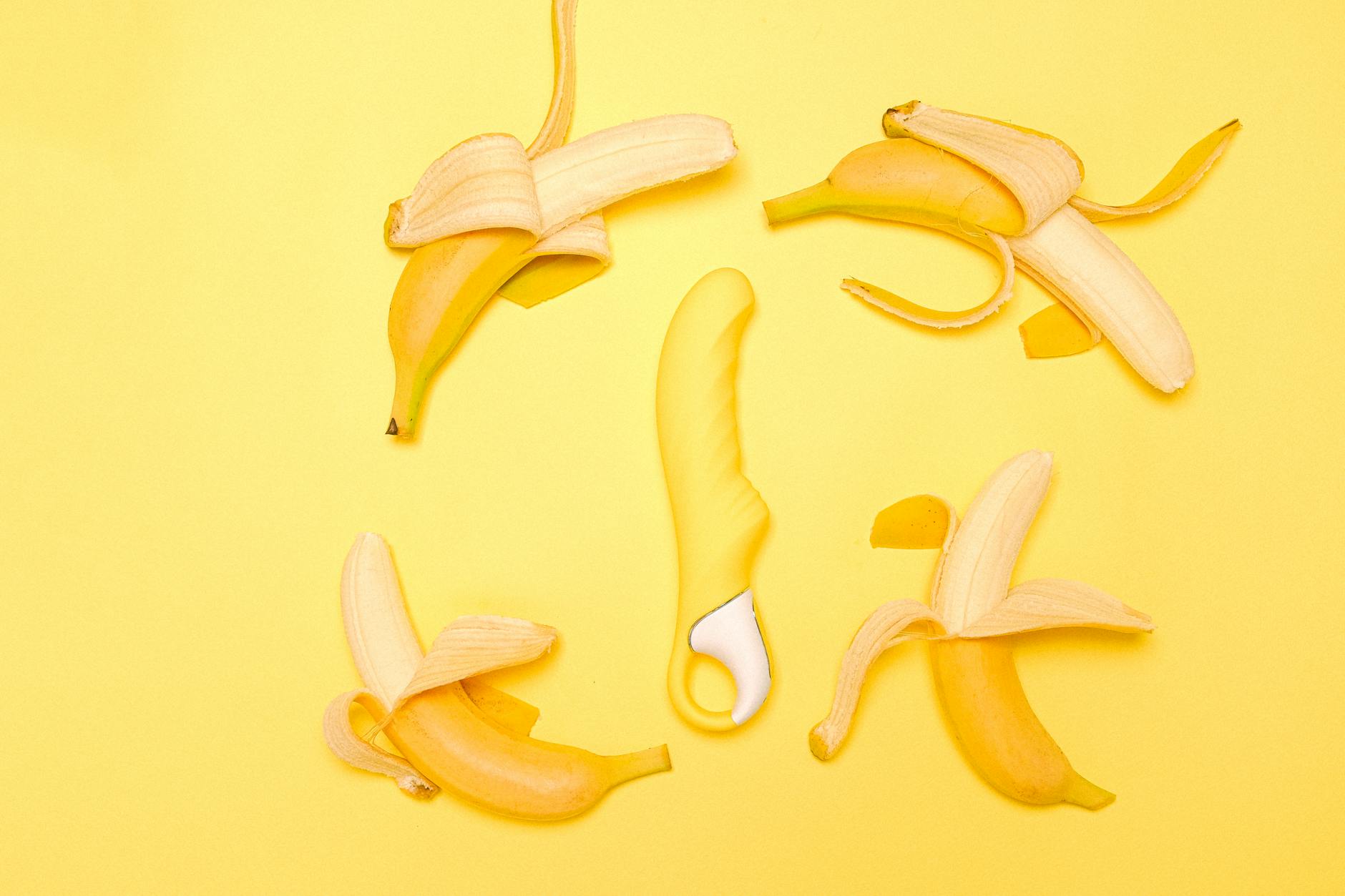
Photo by cottonbro studio on Pexels
How to track your sensitivity pattern over one month
Spend one cycle—28 days or whatever your cycle length is—noticing when your clitoris feels most and least sensitive. You don't need fancy apps or charts. Just observe.
During your follicular phase (first half, typically days 1-14), note how your lemon vibrator feels. What intensity setting feels best? How long does arousal take? Can you orgasm easily, or does it take concentration? Write it down. Even "day 7: Lem on pattern 3, felt amazing, came in 10 minutes" is useful data.
During your luteal phase (second half, typically days 15-28), do the same. You'll likely notice a pattern. Most people report needing higher intensity in the luteal phase. Some need longer warm-up. Some prefer indirect contact over direct.
Once you have the pattern, you can anticipate the shift and adjust your approach before discomfort sets in. You're not waiting for something to feel wrong; you're proactively matching your technique to your current state.
If you're on hormonal birth control or past menopause, sensitivity might be steady. But you might still notice micro-fluctuations based on stress, sleep, or arousal level. The principle holds: pay attention and adjust.
The technical adjustments that actually work
Intensity scaling. Most lemon vibrators have 5-7 intensity levels. During high-sensitivity phases, start on pattern 1 or 2. You can always move up if you need to, but starting low prevents overstimulation. During low-sensitivity phases, you might start on pattern 3 or 4. Some people find they're most satisfied on pattern 5 or 6 during their luteal phase, and that's completely normal.
Warm-up time protocol. During follicular phases, give yourself 5-10 minutes of foreplay or external touch before using your lemon clitoral vibrator. During luteal phases, budget 15-25 minutes. That's not a flaw in your body. That's just how hormones work. Rushing only leads to frustration.
Contact strategy. Direct clitoral contact feels best for most people during high-estrogen phases. During low-estrogen phases, try stimulating the clitoral hood, the area just above the clitoris, or the inner labia. The nerves are the same. The angle just matters more when tissue is less engorged.
Combination touch. Add hands or a partner's touch alongside your lemon vibrator. Sometimes the combo of vibration plus gentle hand pressure or movement creates the right balance when vibration alone feels off.
When to use your lemon vibrator strategically across your cycle
Let's be real. Some days are just easier than others.
If you're planning solo time and want the highest likelihood of satisfaction, aim for the follicular phase. Everything is more responsive. Your lemon sexual toy will feel more effective. You might even discover new favorite patterns because your sensitivity ceiling is higher.
If you're in the luteal phase and want pleasure, shift your expectations slightly. You might get deeper, more full-body satisfaction instead of quick intense orgasms. Some people report that luteal-phase orgasms feel different. Stronger. More internal. That's not worse. It's different.
If you're with a partner, share your tracking. "I'm in a phase where I need more intensity and longer warm-up time" is useful information. Most good partners appreciate the clarity. It removes guesswork and creates better sex for everyone.
What to do if sensitivity changes feel extreme
Small fluctuations throughout your cycle are normal. Dramatic shifts—from "I love this" to "this feels painful"—deserve attention.
Sometimes extreme sensitivity changes signal underlying inflammation, pelvic floor tension, or hormonal imbalance. If your clitoris goes from pleasantly sensitive to almost untouchable month to month, mention it to your GP or gynecologist. Conditions like vulvodynia, hormonal imbalances, or pelvic floor dysfunction exist, and they're treatable.
More often, extreme changes mean you need more dramatic adjustments than you've been making. Go lower on intensity. Extend warm-up time. Try indirect contact exclusively. Give yourself more permission to need different things in different phases.
FAQ
Why does my clitoris feel more sensitive right before my period?
Progesterone is dropping rapidly, and your body is preparing for menstruation. Blood flow to the pelvic area increases, which can create a hypersensitive phase. Some people love this heightened sensation. Others find it uncomfortable. If it's uncomfortable, lower your lemon vibrator intensity and use more indirect contact through the clitoral hood.
Can I use my lemon clitoral vibrator every day if my sensitivity changes?
Yes, but adjust your approach daily if needed. Some days you'll use it for five minutes on high intensity. Other days you'll use it for 20 minutes on low intensity. Your body's signals are real. Listen to them. If your clitoris feels sore or overstimulated, take a day off and use other touch instead.
Does hormonal birth control eliminate sensitivity changes?
Usually it reduces them significantly. Combined hormonal methods (pill, patch, ring) suppress the natural cycle, so your clitoral sensitivity stays more stable month to month. But many people on these methods still notice small fluctuations based on stress, sleep, or other factors. Continue to pay attention, but don't expect the dramatic shifts you might see with a natural cycle.
What if my clitoral sensitivity is always low, regardless of cycle phase?
That's worth exploring with a healthcare provider. When arousal feels numb or muted, multiple factors could be at play: medications, stress levels, relationship dynamics, or underlying health conditions. Your lemon vibrator is a tool, but it's not a substitute for addressing the root cause. A good GP can help you figure out what's happening.
Is it normal for my orgasms to feel different depending on my cycle phase?
Completely normal. Follicular-phase orgasms often feel sharp and quick. Luteal-phase orgasms often feel deeper and more spreading. One isn't better. They're different experiences. Some people prefer one, others like the variety. When sensation shifts with age and hormones, this variation becomes even more pronounced.
If I'm on hormonal birth control, will a lemon vibrator still work well?
Absolutely. Hormonal birth control doesn't eliminate pleasure. It just stabilizes sensitivity across the month. Most people find that lemon sexual toys and clitoral vibrators work consistently on the same settings. But everyone's body is different. Experiment and adjust based on what feels good to you.
Can stress during my luteal phase make my clitoris even less sensitive?
Yes. Stress tightens the pelvic floor and reduces blood flow to the genitals. During the luteal phase, when sensitivity is already lower, stress amplifies the effect. This is why self-care during the luteal phase matters. More rest, less pressure, and gentler stimulation create better conditions for pleasure. Your lemon vibrator can help, but a 20-minute warm bath or a walk outside might be more valuable.
The bottom line
Your clitoris isn't broken when it responds differently throughout your cycle. It's responding exactly as designed. Hormones shift. Blood flow changes. Sensitivity fluctuates. That's biology, not a personal failing.
Once you understand your pattern, using your lemon clitoral vibrator becomes less about forcing the same approach every time and more about working with your body's natural rhythms. That's when pleasure becomes consistent, satisfying, and actually sustainable.
Track your sensitivity. Adjust your intensity. Extend your warm-up time. Change your contact approach. Your clitoris will tell you what it needs. The only thing left is to listen.