Let's name what's actually happening
You're attracted to your partner. You want sex. But here's the catch: you only want it if they initiate, or at least if they seem genuinely into it. If they seem tired, stressed, or lukewarm, your desire just evaporates. It's not that you lose interest in pleasure itself. It's that your sexuality has become conditional on their approval.
This is more common than you think, and it's not actually about your partner. It's about you and autonomy.
Why desire becomes a permission slip
Most of us were taught that desire should be responsive, not autonomous. You wait to be wanted. You gauge your partner's mood first. You negotiate around their needs, their stress, their libido. Over time, your own desire gets smaller and quieter until you're not even sure it exists outside of someone else's interest.
For some people, this gets tangled up with people-pleasing. For others, it's anxiety. For many, it's a combination: you learned early that your needs were conditional, and now you unconsciously police your own wanting.
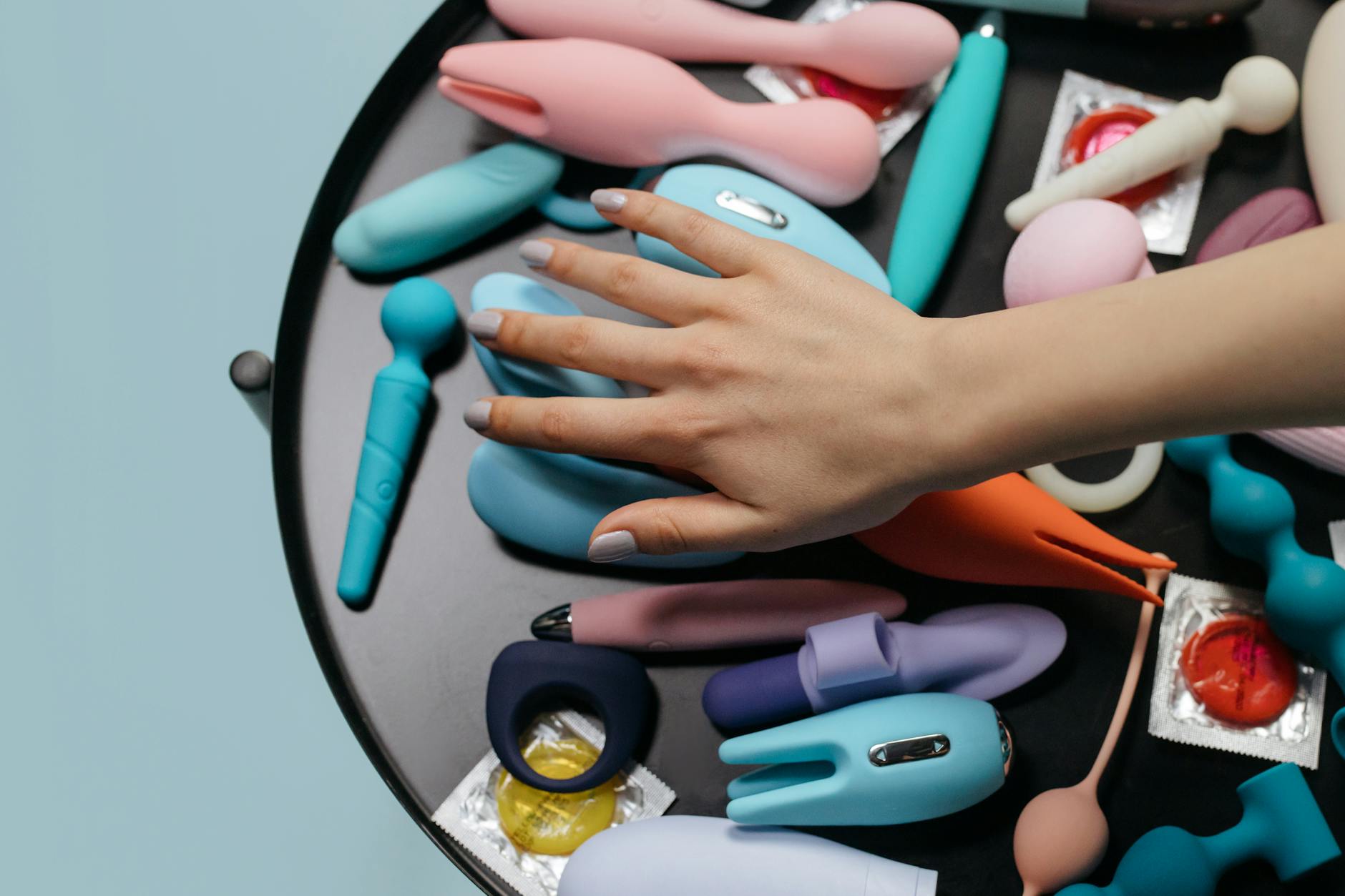
The thing is, your pleasure doesn't require anyone else's permission to be real. A lemon clitoral vibrator isn't just a tool for partnered sex. It's a way to practice wanting something for yourself, without an audience.
The permission problem and why it matters
When your desire depends entirely on your partner's mood, three things happen. First, you disconnect from your own body's signals. You stop noticing want when it shows up, because you've trained yourself to ignore it. Second, you build resentment without meaning to. Your partner isn't withholding anything, but you start to feel like they are because you've made them the gatekeeper of something that should belong to you. Third, your sexuality becomes smaller over time. You're not exploring, experimenting, or learning what actually turns you on because you're too busy monitoring their temperature.
This is where autonomous pleasure comes in. And honestly, this is where lemon vibrators change the conversation.
Using a lemon vibrator to practice wanting
Here's what I tell my clients: the first time you use a clitoral vibrator alone, the goal isn't orgasm. The goal is to practice wanting something without checking whether it's okay first.
Start small. Five minutes. No pressure to finish anything. The goal is just to notice what happens in your body when you're not managing someone else's comfort.
Find a time when you're alone and when your partner isn't expecting you. Not sneaking around, just a boundary. You deserve space where your pleasure doesn't need explanation.
Turn on the lemon vibrator to pattern 1 or 2. Spend the first minute or two just noticing the sensation without judgment. You might feel weird. You might feel guilty. That's normal. You're reintroducing yourself to wanting.
The point isn't to rush to orgasm. The point is to spend five or ten minutes doing something purely for you.
What changes when desire stops being conditional
When you start practicing autonomous pleasure, three things shift almost immediately. First, you reconnect with your body. You start noticing want throughout the day, not just when your partner signals it. Second, the resentment softens because you're no longer depending on them to validate your sexuality. And third, your partnered sex often gets better because you're showing up with actual desire instead of accommodation.
I've had clients tell me that the first time they used a clitoral vibrator alone, they cried afterward. Not because anything was wrong. Because they realized they'd spent years asking permission for something they'd always had the right to want.
Rebuilding desire in partnership
Here's where people get nervous: "If I want things for myself, won't that threaten my relationship?" Usually the opposite happens. When you have autonomous desire, you're more interesting. You're more present during sex because you're not constantly monitoring your partner's comfort. You're not building secret resentment. You're just a person who knows what they want.
Some partnerships might need a conversation: "I want to reclaim my own sexuality. That means I'm going to start initiating, and sometimes you might say no, and that's okay." That's a healthy conversation. If your partner responds with jealousy or control, that's worth examining. But most partners feel relieved when they're released from the pressure of being the only gatekeeper of your pleasure.
The practical steps
Start using your lemon vibrator alone once or twice a week. Not as a substitute for partnered sex. As a separate thing. As proof to yourself that your pleasure is valid whether anyone else is present or not.
Notice what patterns feel good. Maybe you like patterns 2 through 5 in a specific order. Maybe you prefer longer warm-up time. Maybe you like the sensation with your legs together versus apart. This information belongs to you. Keep it. Use it.
If your partner asks, be honest but brief: "I'm exploring what I like. It helps me feel more present with you." Because that's true.
When you do have partnered sex, bring what you've learned. Show them what you discovered. Initiate sometimes. Say no sometimes. Let your pleasure be a choice, not a performance.
When autonomous desire feels risky
If you're in a relationship where your partner controls or monitors your sexuality, or where you feel genuinely unsafe expressing autonomous desire, this becomes a bigger conversation. Your sexuality shouldn't require permission, period. How to Rebuild Physical Intimacy After Emotional Disconnection walks through some of these patterns more deeply. It might help to talk to a therapist about what's making autonomy feel dangerous in your specific relationship.
The part people don't tell you
Reclaiming autonomous desire is not selfish. It's not a threat to your relationship. It's actually the foundation of healthy sexuality in partnership. When you know what you want, you're not depending on your partner to figure out your pleasure for you. You're not secretly resentful. You're not performing. You're just present.
The lemon vibrator is a tool, but what it's really teaching you is this: your pleasure is yours. It doesn't require an audience. It doesn't need approval. It just needs you to show up and want it.
FAQ: Desire, autonomy, and partnership
Is using a vibrator alone betraying my partner?
No. Your sexuality belongs to you, not to your partnership. Autonomous pleasure actually strengthens relationships because you're not building resentment or making your partner the gatekeeper of your body. Healthy partnerships include space for individual sexuality alongside shared sexuality.
What if my partner feels threatened?
That's worth a conversation, but his or her discomfort isn't your responsibility to manage. If a partner is threatened by your autonomy, that's a pattern worth exploring with a therapist. Secure partners usually feel relieved when they're released from the pressure of being solely responsible for your pleasure.
How often should I use a lemon vibrator alone?
There's no "should." Start with once or twice a week and see what feels natural. Some people find weekly solo time feels right. Others prefer a few times a month. The goal is consistency enough that you're reconnecting with autonomous desire, not so rigid that it feels like another obligation.
Does using a vibrator mean something's wrong with my relationship?
Not at all. Using a clitoral vibrator is like learning to cook for yourself. It doesn't mean restaurant food is bad. It just means you have agency in feeding yourself. Your pleasure works the same way.
How do I talk to my partner about wanting more autonomous pleasure?
Keep it simple: "I want to explore what I like on my own. It's not about you. It's about me reconnecting with my own sexuality." If they ask questions, answer honestly. If they don't, you don't need to over-explain.
What if I feel guilty for wanting things for myself?
That's worth noticing. Guilt about autonomous pleasure usually comes from earlier messages that your needs should be conditional. A therapist can help you untangle that. In the meantime, use your lemon vibrator anyway. Guilt doesn't mean you're doing something wrong. Sometimes guilt just means you're breaking an old pattern.
The bottom line
Your desire doesn't need permission. Not from your partner, not from society, not from the voice in your head that says you should only want things reactively. A lemon vibrator is just a tool that helps you practice wanting something for yourself. The real work is deciding that your pleasure matters whether anyone else is watching or not. And it does. It really does.