Let's start with the thing nobody says out loud
Surgery changes sensation. Whether it's a hysterectomy, fibroid removal, appendectomy, or something else entirely, the nervous system takes time to rewire. Pleasure often lands somewhere further away than it used to. And that distance feels like loss, not recovery.
Here's the honest truth: sensation does come back. It takes patience, but it comes back differently. Often better. And a lemon clitoral vibrator is one of the most effective tools for speeding up that reconnection.
Why sensation shifts after surgery
When your body goes through surgery, especially anything involving the abdomen or pelvic region, two things happen at once. First, the surgical site itself needs time to heal. Scar tissue forms. Nerves that were disrupted begin firing again. Second, the emotional system holds residual caution. Your brain is protecting you. It's not wrong to be protective after trauma, but it does mean pleasure can feel muted or distant.
Tissue trauma also affects nerve sensitivity temporarily. The area around the incision, and sometimes the entire pelvic floor, can feel numb, hypersensitive, or weirdly disconnected from the rest of your body. This is completely normal. It's not permanent. But it's real, and acknowledging it matters more than pretending everything snapped back to baseline.
The clitoris itself doesn't experience direct trauma from most surgeries, but the nervous pathways leading to it do. A lemon vibrator works because it sends a clear, consistent signal to those healing nerves. It's rebuilding the conversation between your body and your brain.
When it's actually safe to restart
This matters. Talk to your surgeon or gynecologist before using any internal device. Most guidelines say: wait until bleeding has stopped completely, you're cleared for normal activity, and any internal or external stitches have healed. That's typically four to eight weeks post-surgery, but it varies wildly depending on what was done.
For external play with a lemon clitoral vibrator, the timeline is often faster than internal penetration. Many people get clearance to explore external sensation earlier because there's no risk of internal irritation. Still ask your doctor. Your medical team knows your specific situation better than internet advice ever can.
Once you're cleared, start gently. Your body isn't broken. It's healing. There's a difference.
How a lemon vibrator helps rebuild sensation
The suction technology in a lemon clitoral vibrator works brilliantly for post-surgery bodies because it doesn't rely on direct pressure or friction. Instead of demanding that numb or tender tissue respond to mechanical stimulation, suction wakes up the nerves gradually. It's like tapping on a door instead of kicking it down.
The stimulation is consistent and predictable. That matters psychologically. Your nervous system needs to trust that sensation again. When you use the same device at the same gentle intensity, you're training your body to recognize the signal as safe and pleasurable.
Start with the lowest setting. Not because you're broken, but because rebuilding sensitivity is like rebuilding any neural pathway. You begin at baseline and layer on intensity as the nerves respond. Many people find that what felt like nothing in week two becomes genuinely pleasurable by week five. The suction didn't change. Your body's capacity to feel did.
The emotional piece matters more than the physical
After surgery, pleasure can feel like a betrayal of your healing process. Your body went through something difficult. Wanting pleasure from it again can spark weird shame or guilt. That's not unusual. It's your protective system working overtime.
But here's what I know from working with couples and individuals through recovery: pleasure and healing aren't opposites. They're partners. When you reconnect with sensation intentionally, you're telling your nervous system "I'm ready to feel good again. This body is mine. It deserves pleasure."
If you have a partner, this process can feel vulnerable. You might be afraid sensation won't come back. You might worry they'll expect recovery to mean instant sexuality. That fear is real, and talking about it directly is more useful than trying to hide it. Partners often feel helpless watching someone recover. Inviting them into the conversation about rebuilding pleasure, even just knowing that you're using a lemon vibrator to reconnect with sensation, can shift the whole dynamic from worry to partnership.
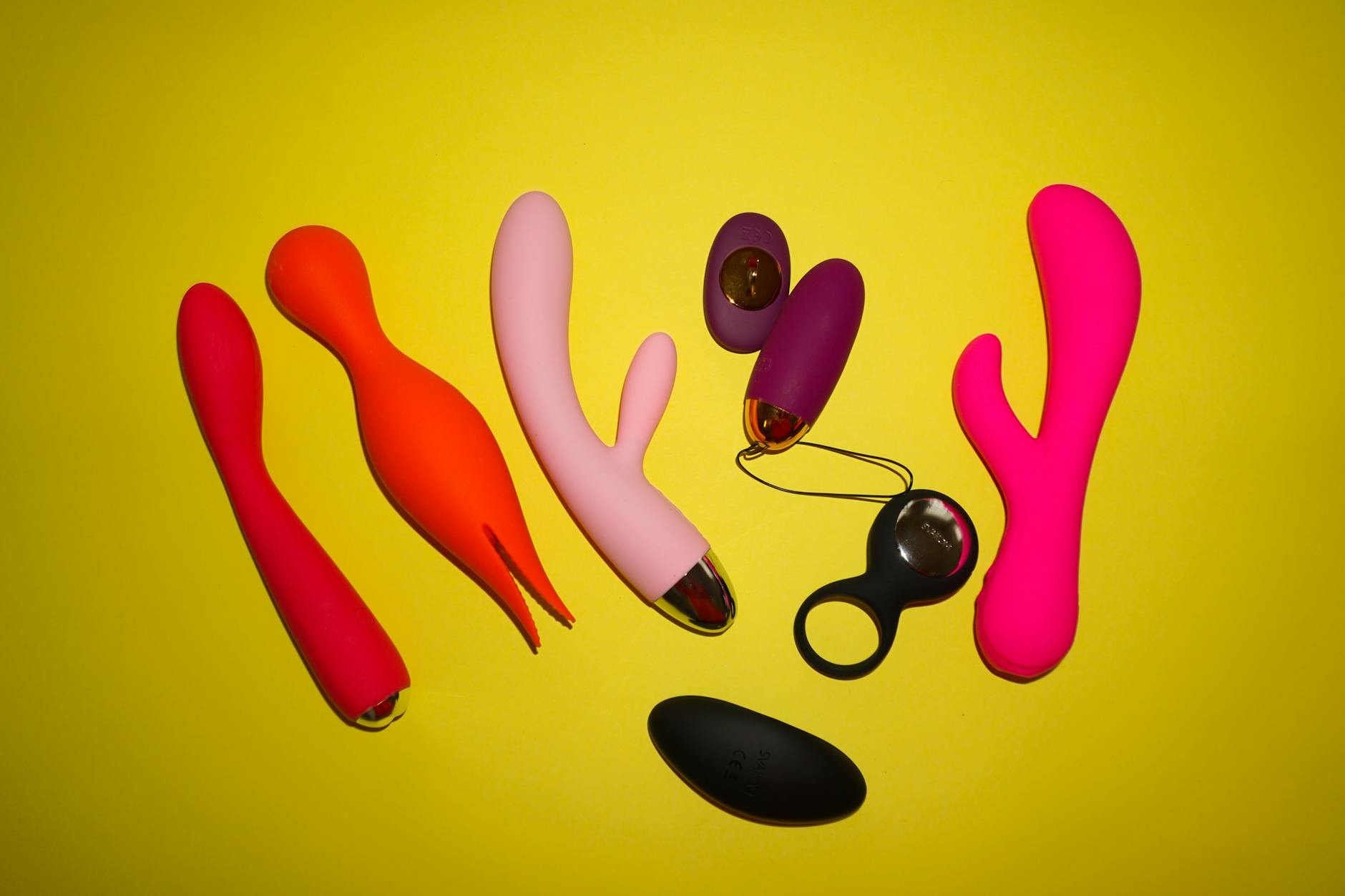
Photo by DRT.fm on Pexels
Practical steps for post-surgery exploration
Start with what you know. If you used a lemon clitoral vibrator before surgery, the device isn't new. Your body is. Approach it with that reframe. You're not starting from zero. You're reconnecting with something familiar through a changed body.
Set aside time when you're not rushed and not in pain. Post-surgery fatigue is real. Use the lemon vibrator when you have genuine energy, not when you're pushing through exhaustion trying to prove you're "back to normal." Recovery isn't linear. Some days sensation flows easily. Other days it feels locked away. Both are okay.
Use water-based lubricant. Even if the area feels fine, lube reduces any micro-friction and signals to your nervous system that you're prioritizing comfort. It's not a bandage. It's a choice.
Start with short sessions. Five to ten minutes. Your body is learning. It doesn't need marathons. It needs consistency and gentleness. You can increase duration as sensation rebuilds.
If anything hurts, stop. Pain after surgery can mean different things, and you know your body better than any guideline does. Pleasure should never require pushing through pain. Ever.
When sensation takes longer to return
Sometimes it does. Depending on what was removed or repaired, nerve regeneration can take months. Scar tissue can create unexpected blocks. That's not failure. It's just the reality of how bodies heal.
If sensation hasn't meaningfully improved by three to four months post-surgery, talk to a pelvic floor physical therapist. They can assess whether scar tissue, pelvic floor tension, or nerve damage is the culprit. A lemon vibrator is a great tool, but it's not a substitute for professional assessment when healing stalls.
There's also the reality that sometimes a partner, if you have one, needs to revisit expectations alongside you. "Rebuilding sensation" sounds like it should have a timeline. It doesn't always. That conversation is worth having before frustration builds.
Reconnection is the real goal
Using a lemon clitoral vibrator after surgery isn't just about physical sensation. It's about reclaiming your right to pleasure. It's a signal to yourself that recovery means more than "back to baseline." It means "I deserve to feel good in this body."
The device itself is neutral. What matters is the conversation you're having with yourself through using it. Are you punishing your body for needing surgery? Or are you honoring it for healing and inviting it back into pleasure? That mindset shapes everything.
Healing takes time. So does rebuilding sensation. Both are worth the patience.
People also ask
How long after surgery should I wait before using a lemon vibrator?
Most surgeons recommend waiting until bleeding has completely stopped, stitches have healed, and you've received clearance for normal activity. That's typically four to eight weeks, but it varies by surgery type. External play with a lemon clitoral vibrator often gets clearance sooner than internal penetration. Always ask your medical team before restarting any sexual activity.
Can using a lemon vibrator help with scar tissue pain?
Indirectly, yes. Consistent gentle stimulation can help retrain nerve sensitivity around the area. But if scar tissue is causing significant pain, that's a signal to see a pelvic floor physical therapist or your gynecologist. A lemon vibrator supports recovery, but it's not a treatment for painful scar tissue. Professional assessment matters first.
What if sensation feels numb even after six weeks?
Post-surgery numbness can persist for months depending on nerve involvement. It's not abnormal, but it's worth mentioning to your surgeon or a pelvic floor physical therapist. Starting with the lowest intensity setting on a lemon clitoral vibrator and gradually increasing can help wake up those nerves. Patience and consistency matter more than intensity.
Should I use a lemon vibrator alone or with my partner during recovery?
That's entirely your call. Some people prefer solo exploration to understand how their body feels without pressure. Others want partnership. There's no right answer. If you have a partner, having an honest conversation about what feels safe and wanted is the first step. Recovery isn't one-size-fits-all.
Can a lemon sucker help rebuild clitoral sensitivity after surgery?
Absolutely. The suction technology is particularly gentle, which makes it ideal for post-surgery bodies. It doesn't require direct pressure, so it's less likely to irritate healing tissue or trigger pain. Many people find suction-based stimulation easier during recovery than traditional vibration. Start low, go slow, and let your body guide the intensity.
What if using a lemon vibrator triggers pain or discomfort?
Stop immediately. Pain during recovery can signal that something isn't ready yet or that scar tissue needs professional attention. Post-surgery healing isn't a race. If you experience persistent pain with any stimulation, talk to your surgeon or a pelvic floor physical therapist. They can rule out complications and help you understand what your body actually needs.
The recovery is real, and so is your pleasure
Surgery interrupts more than your physical body. It interrupts your sense of agency, your trust in your body, and sometimes your access to pleasure. Rebuilding all three takes intention.
A lemon vibrator is a tool in that rebuild. It's not magic. It's not the solution to everything. But it is a tangible way to tell your nervous system that healing includes joy. That your body deserves sensation. That recovery doesn't mean years of waiting. It means patience, yes. But patience with a clear path forward.
Your pleasure matters. Your body knows how to feel good again. Sometimes it just needs a little help remembering.