Let's start with the honest part
Erectile dysfunction rocks a relationship. Not because penetration is everything, but because it activates every fear at once. Performance anxiety. Shame. The terrifying question: "Are we still attracted to each other?" Your brain rewires itself around avoidance, and both partners end up isolated on opposite sides of the bed.
Here's what I've learned from two decades working with couples through ED recovery. The lemon vibrator isn't a replacement for what's "broken." It's a reset button. It's permission to redefine what sex even is when the old script stops working.
Why ED recovery is actually a chance to rebuild, not repair
Most couples treat ED like a malfunction to fix and then move on. That misses the real opportunity. ED forces you both to stop performing and start communicating. That's where the actual healing lives.
When penetration isn't guaranteed, suddenly you're having to say "What do you want?" and "What do I want?" out loud. That's vulnerable. It's also incredibly bonding.
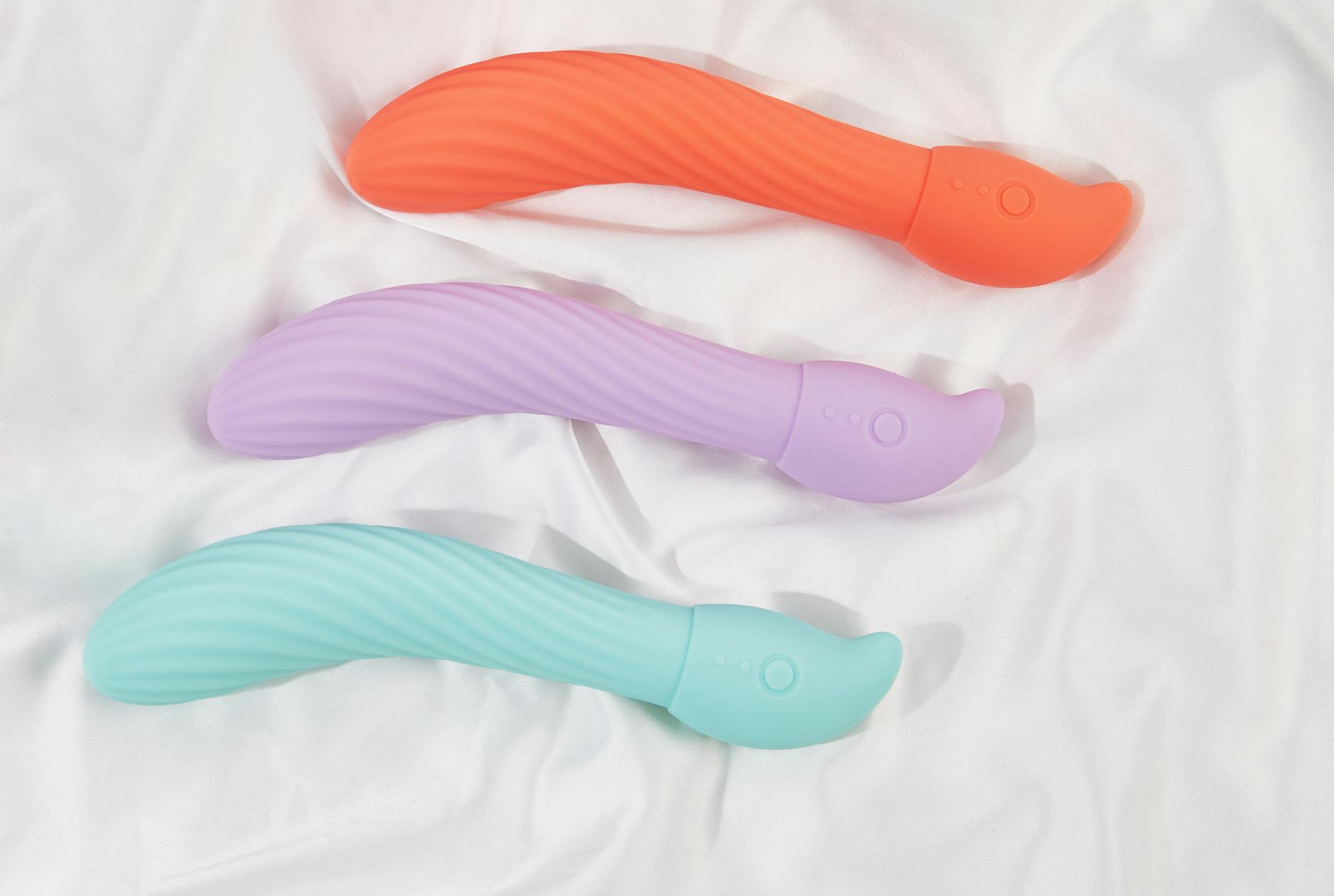
A clitoral vibrator like the Lem changes the dynamic further. It separates pleasure from performance pressure. The person with a vulva gets to have an orgasm that has nothing to do with their partner's body or timing. That sounds like a small thing. It's not. It fundamentally shifts the conversation from "Can he?" to "What do we both enjoy?"
The emotional reset before you touch anything
Before you introduce a lemon vibrator, you need one conversation. Not a text. Not a hint. A real talk.
It should go something like this: "I want us to explore pleasure differently. Not because anything is wrong with you. Because I want us both to feel good, and I think we've gotten stuck in a pattern that doesn't work anymore."
That statement does three things. It removes shame. It centers both people's pleasure. And it positions the vibrator as a tool for reconnection, not a workaround for failure.
Your partner might feel nervous. They might worry it means you're not satisfied with them, or that the vibrator is replacing them. That's normal. Listen to that. Say something like: "I want you here with me. I want this to be something we do together, not something I do instead of you."
Trust rebuilds through specificity, not reassurance. "Trust me, you're still attractive" doesn't work. "I want to watch you come" does.
How to introduce it without triggering more anxiety
Don't surprise them with it. Show them a picture. Talk about it. Let them ask questions. Make it boring and practical, which paradoxically makes it sexier.
You might say something like: "I've been reading about clitoral vibrators. A lot of couples use them together, and they help reduce pressure around penetration. Would you be interested in trying one?"
If the answer is yes but hesitant, ask what's making them nervous. Is it a confidence thing? A kink thing? Feeling like they're not enough? Each answer needs a different response.
Once you've bought it (or if you're considering the Lem or another quality lemon vibrator), use it alone first. That sounds counterintuitive, but it's not. You need to know how it feels, what it does, what you like. That knowledge makes you confident when your partner is there. Confidence is magnetic.
The actual mechanics of using it together
Start simple. You're on top or beside your partner. You use the vibrator on yourself. Your partner is present. They can touch you, kiss you, talk to you. They're not passive. They're witnessing and participating in your pleasure.
This reframes sex as: "I'm responsible for my own orgasm. You're here because we want to share it." That's a completely different power dynamic than "Can he make me come?"
If penetration happens, great. It might not. Suction-based clitoral vibrators like the lemon clitoral vibrator work beautifully solo. They also work during partnered sex if you want them to. The angle is flexible. There's no performance requirement. The orgasm happens or it doesn't, and either way, the person feels good.
Some couples find that using a lemon vibrator during partnered sex actually reduces his performance anxiety. Why? Because the outcome (your orgasm) is no longer dependent on him. He gets to relax. Sex becomes collaborative rather than evaluative.
Rebuilding emotional intimacy alongside physical
ED recovery isn't really about erections. It's about rediscovering that you actually like each other. That takes time and it takes talking.
Set aside time for physical connection that isn't about sex. Touch that has no goal. A massage. Sitting close while watching something. Hand-holding. Your nervous system needs to remember safety before it remembers desire.
When you do use a lemon vibrator together, maintain eye contact. Maintain conversation. "How does this feel?" "Do you want me to try a different pattern?" "I love watching you like this."
These moments rewire the associations your brain has made around sex. Instead of anxiety and avoidance, you're building new pathways: safety, pleasure, attention, desire.
If performance anxiety creeps back in (and it might), pause. Come back to the emotional conversation. "I noticed we both got tense. What's happening for you right now?" That's the real work.
When to bring in professional support
If either of you has significant anxiety around sex or if ED is linked to deeper relationship issues, a sex therapist or couples counselor is worth it. They're not going to judge you. They specialize in this exact situation.
Some GPs can refer you to a couples therapist who works with sexual health. If therapy feels like too much, even one session can give you language and tools.
Physiologically, ED often has a medical component. Cardiovascular health, medications, hormone levels. A good GP can rule out the things that matter. Some clitoral vibrators and lemon sexual toys may help with exploration during this recovery process.
What comes after
Some couples find that ED was a breaking point that forced them to actually communicate. Once you've had that conversation and rebuilt trust, sex often gets better than it was before. Not because the dysfunction is fixed, but because you're not performing anymore.
Others find that ED was a symptom of something deeper. A relationship that wasn't working. Resentment that hadn't been addressed. A therapist helps you figure out which one you're in.
Either way, the lemon vibrator isn't the solution. Communication is. Pleasure is. And rebuilding trust one conversation at a time. The vibrator is just the tool that makes that conversation possible.